

The Types of Occupational Therapy Explained
By Mobile Occupational Therapist • 6 July 2026 • 5 min read
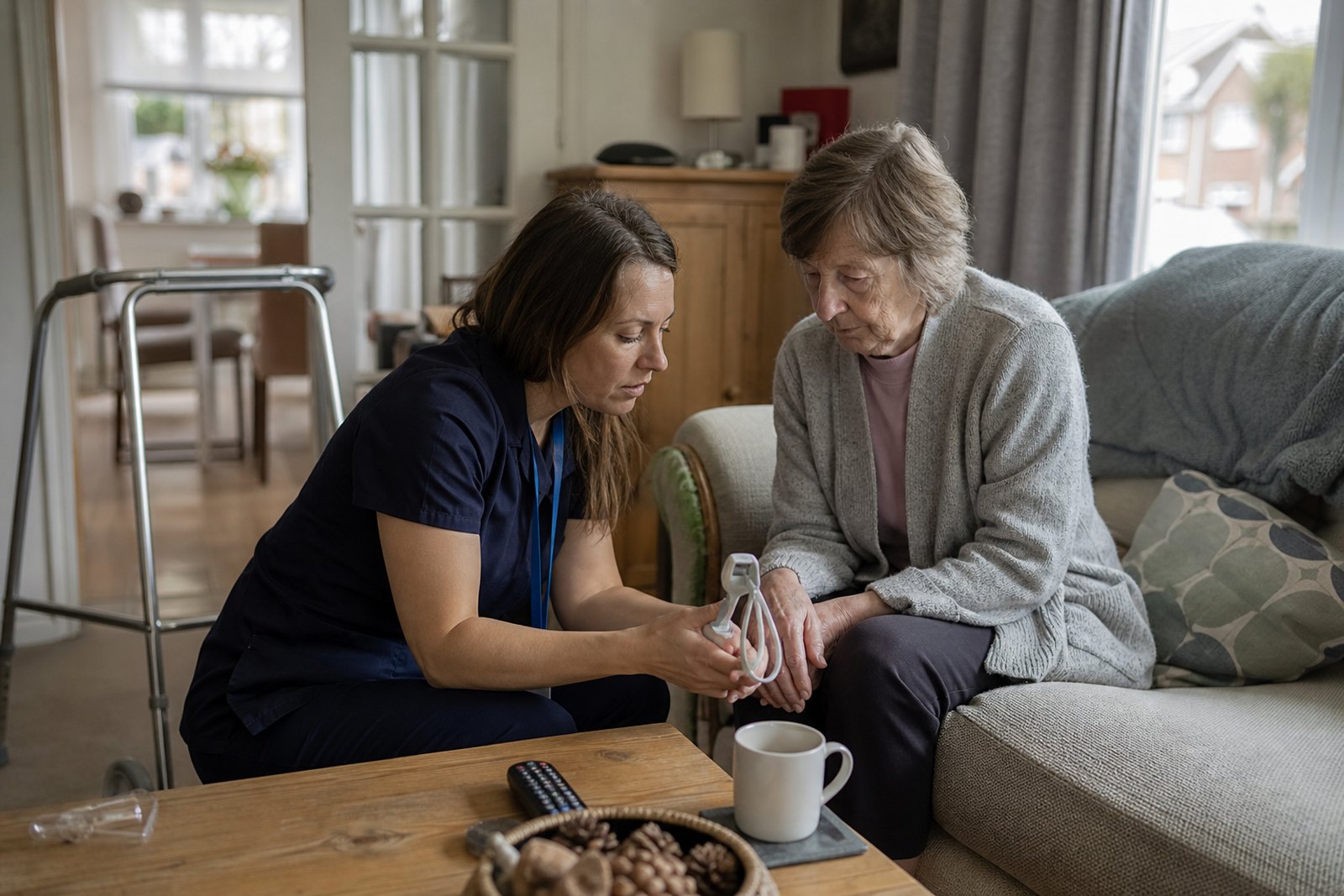
Once you understand what occupational therapy is, the next question people usually ask is a fair one: which kind do I actually need? Occupational therapy is a broad profession, and most OTs build deeper experience in one or two areas over time rather than covering everything equally. This guide walks through the main types you are likely to come across, in plain English.
Older adult and independence-focused OT
Probably the most common type of occupational therapy involvement for private, home-based services. This focuses on helping people remain safe, confident and independent at home as things change with age - often without any single dramatic trigger. It typically covers everyday tasks, fall risk, home layout, and quietly building routines back up after a difficult patch. See our older people and independence service for more detail.
Neurological OT
This branch supports people living with conditions that affect the brain, spinal cord or nervous system - commonly stroke, Parkinson's disease and multiple sclerosis. Neurological OT often addresses fatigue management, upper limb function, cognition as it affects daily tasks, and rebuilding routines that a sudden or gradual change in function has disrupted. It is a genuinely specialist area - see our neurological OT service for what it typically involves.
Paediatric OT
Paediatric occupational therapists work with children and young people on the skills that matter for school, play and everyday family life - from fine motor skills like handwriting and using cutlery, through to sensory processing, self-care and participation in classroom or social activities. This is a genuinely distinct specialism from adult OT, requiring different training and a very different way of working. Our children's OT and sensory needs assessment pages cover this in more depth, alongside our guide to developmental delay.
Hand therapy
Hand therapy is a specialist crossover area, often practised by occupational therapists (and sometimes physiotherapists) with additional training in the hand and upper limb. It focuses on recovery of function after injury, surgery or a condition affecting the hand or wrist - grip, dexterity, and the ability to carry out everyday tasks that depend on hand function, from turning a key to holding a cup. Our guide to hand therapy at home and our hand and upper limb injuries condition page go into this further.
Housing and adaptations-focused OT
Some occupational therapists specialise in the housing side of the profession - assessing whether a home genuinely suits someone's needs, and what adaptation, if any, would help. This ranges from straightforward grab rails through to reports supporting a Disabled Facilities Grant application for major building work. See our home adaptations and housing needs assessment services.
Hospital discharge and rehabilitation OT
This type of occupational therapy focuses on the transition from hospital back home - making sure the home environment, equipment and support are genuinely ready before or shortly after someone returns, rather than assuming everything will simply work itself out. It often works closely with the older-adult and neurological strands above. See our hospital discharge support service and our guide to discharge planning.
Vocational and workplace OT
Vocational occupational therapy focuses on work - helping someone return to their job after illness or injury, or supporting reasonable adjustments so that an existing job remains achievable. This can involve a workplace assessment, ergonomic advice, or graded strategies for returning to work after a period of absence. See our workplace and ergonomic assessment service and our guide to vocational rehabilitation.
Care home OT
Occupational therapists also work within, or visit, care homes - supporting residents' independence and dignity within a communal setting, and advising staff on positioning, equipment and safe daily routines for individual residents. See our care home OT visits service.
Functional assessments and reports
A more independent strand of the profession, this covers formal functional assessments carried out for a specific third-party purpose - for example, a report for a solicitor, an insurer, or an employer. These follow a more structured process than a typical home visit, with a clearly agreed purpose and output from the outset. See our functional assessments and reports service.
Choosing the right type for your situation
Most people do not need to work out exactly which category they fall into before getting in touch - a good OT, or the office supporting them, will help match you to the right person once they understand your situation. What matters most is being honest about what has changed and what you are hoping to achieve, and asking directly whether a particular therapist has relevant experience for your circumstances.
Frequently asked questions
Can one occupational therapist cover more than one of these types?
Yes, particularly in community and home-visiting settings, where many OTs build broad experience across older-adult independence, equipment and basic adaptations work. More specialist areas - paediatrics, neurological OT, hand therapy, and medico-legal reports - tend to sit with therapists who have deliberately built deeper experience and, often, additional qualifications in that specific area.
Do I need to know which type of OT I need before I call?
No. It is entirely reasonable to describe your situation in your own words and let the therapist or office work out the right fit. If a particular need falls outside a therapist's usual scope, a good OT will say so and help point you elsewhere rather than taking on something outside their experience.
Is private occupational therapy the same quality as NHS occupational therapy?
Yes - HCPC registration and professional standards apply equally whether an occupational therapist works for the NHS, a private organisation, or independently. What typically differs is waiting time, flexibility, and how directly you deal with the person actually treating you.
Next steps
Browse our full services list for more detail on any of the areas above, or visit areas we cover to see whether occupational therapy is available locally to you.
Talk to an occupational therapist near you
This guide is general information. For advice about your own situation - or someone you look after - a local occupational therapist can visit you at home and see it for themselves.
Choose your area: