
Occupational therapy support, by condition
Practical, honest guidance on how a home visit from an HCPC-registered occupational therapist can help with the day-to-day impact of a diagnosis or a change in how you're managing at home – never a promise of a cure, always a realistic next step.
Find your condition
Each page below covers what the condition can mean for daily life, concrete examples of how a home OT visit helps, what an assessment involves, and when it's worth speaking to your GP or NHS team instead of (or as well as) us.
Dementia
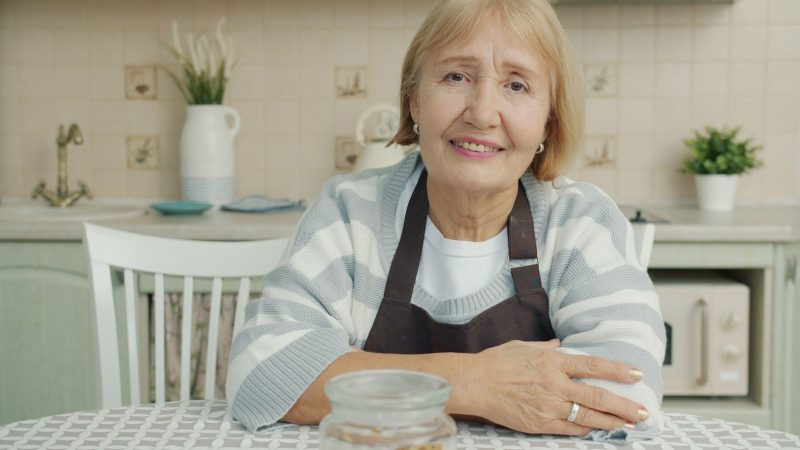
A dementia diagnosis changes how someone manages daily life, but it rarely changes all at once. Occupational therapy can help with keeping everyday routines familiar, safe and achievable for as long as possible, working with you and your family in the home you actually live in.
Stroke
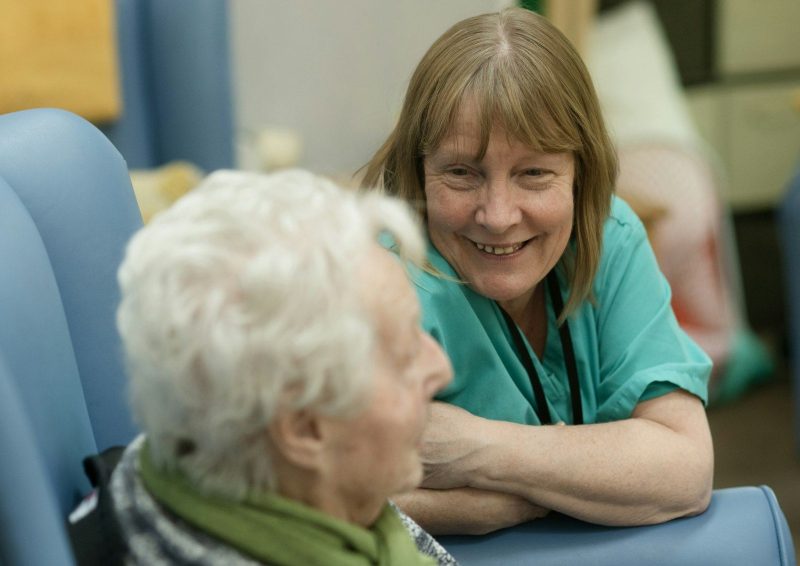
Recovering from a stroke often means relearning how to do things that used to be automatic. Occupational therapy focuses on the practical, everyday side of that recovery - helping you manage daily activities safely and confidently, in the home you're actually recovering in.
Multiple Sclerosis
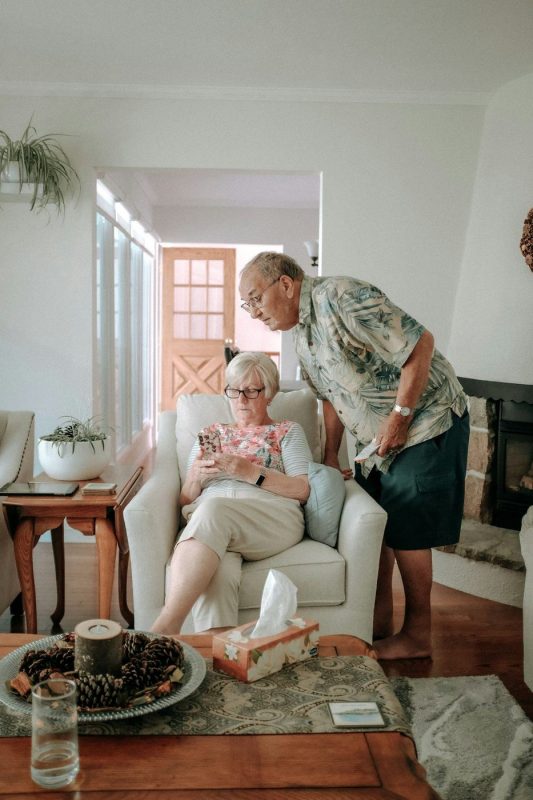
Multiple sclerosis can affect everyone differently, and often changes over time - sometimes gradually, sometimes in relapses and remissions. Occupational therapy focuses on what that means practically for your day-to-day life, adapting as your needs change rather than offering a one-off fix.
Parkinson's Disease
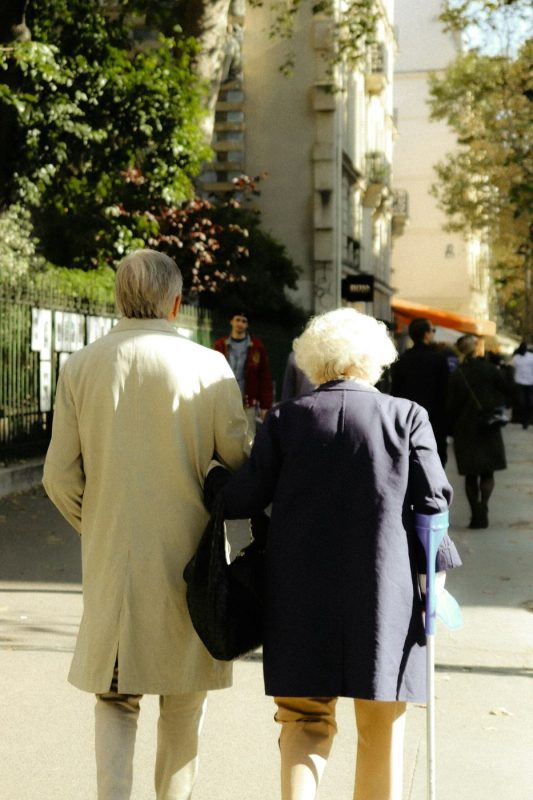
Parkinson's affects movement, but its day-to-day impact often goes further - from handwriting and buttons to freezing mid-step or feeling slower than you used to. Occupational therapy focuses on keeping everyday activities achievable and safe, adapting alongside how your symptoms change over time.
Arthritis
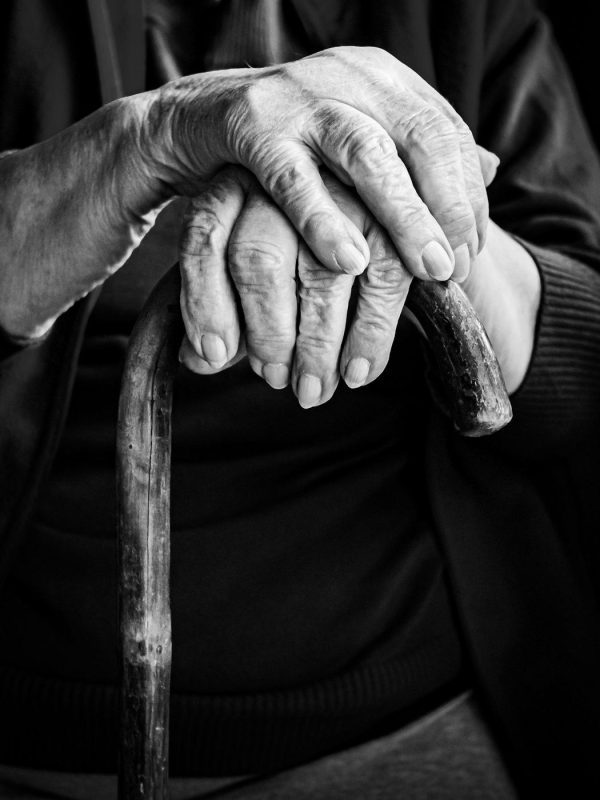
Whether it's osteoarthritis, rheumatoid arthritis or another joint condition, arthritis often makes ordinary daily tasks - opening jars, gripping a kettle, managing stairs - quietly harder before anyone else notices. Occupational therapy focuses on practical ways to protect your joints while keeping you doing the things that matter.
Hand & Upper Limb Injuries
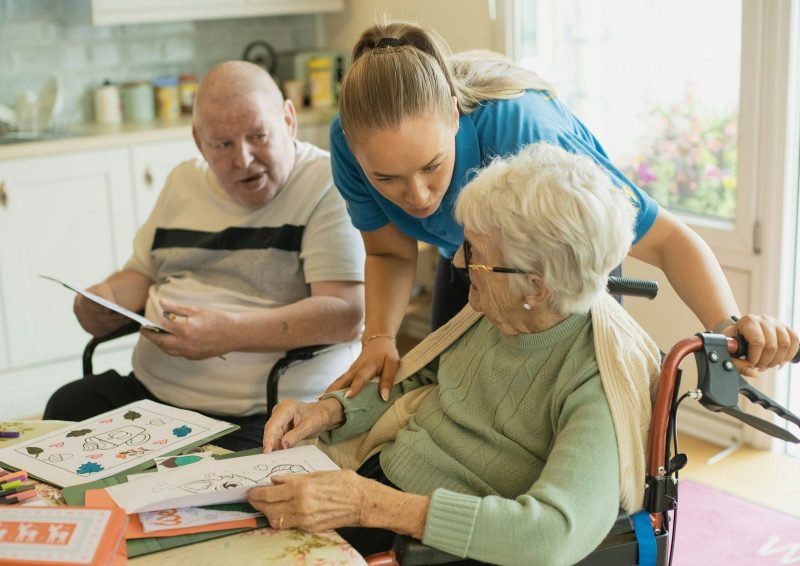
Hands do most of the quiet work of daily life, so an injury to the hand, wrist, elbow or shoulder can affect far more than the injured joint itself. Occupational therapy - often called hand therapy in this context - helps you recover function and manage daily tasks safely while healing.
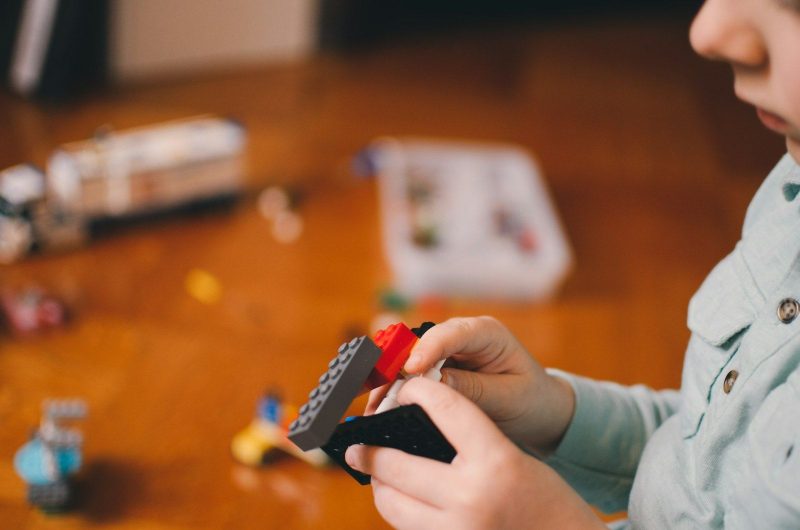
Sensory Processing Differences
Sensory processing differences - often called sensory processing disorder, or SPD - mean the brain takes in everyday sensory information like sound, touch, movement and light differently. Ordinary environments can feel overwhelming, or some sensations barely register at all. Occupational therapy offers practical, individual strategies rather than a one-size-fits-all approach.
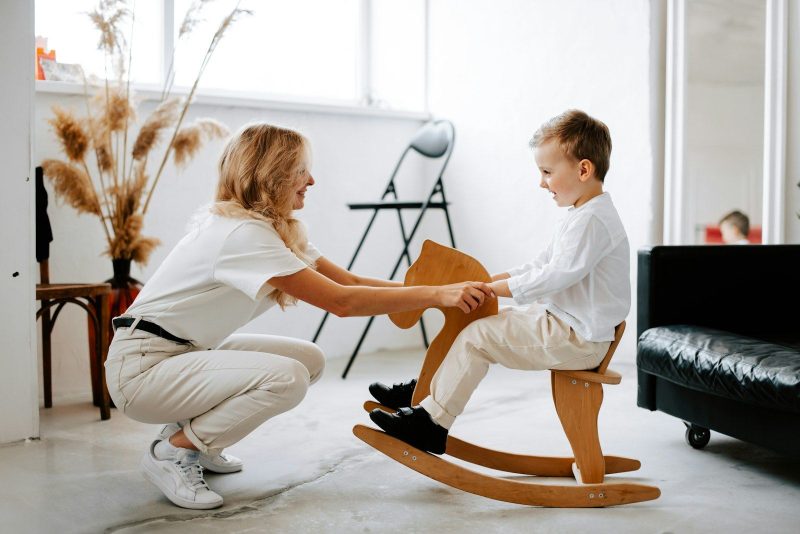
Developmental Delay
When a child's development in areas like coordination, self-care skills or play is progressing more slowly than expected, occupational therapy offers practical, play-based support - helping build the everyday skills that matter, at a pace that works for your child.
Falls & Frailty
A fall, a near-miss, or a general sense of becoming less steady on your feet is one of the most common reasons people first contact an occupational therapist. A home visit looks honestly at risk, without assuming the answer is always to stop doing things.
Recovering After Hospital
Coming home after a hospital stay - whether after surgery, an illness or an extended admission - often means a home that no longer quite fits how you're managing right now. Occupational therapy helps bridge that gap, focused on a safe, confident return to your own routine.
Mental Health
When mental health is poor, it is usually daily life that shows it first. The routine goes, sleep turns upside down, and the things that used to fill a week quietly stop. Occupational therapy works on that half of recovery, in your own home, alongside whatever medical or psychological treatment you are having.
A note on what this page is (and isn't): this content explains how occupational therapy can help with everyday, practical activities alongside a condition. It is not medical advice, does not diagnose or treat any condition, and never promises a particular outcome. For diagnosis, medication or urgent medical concerns, please contact your GP, NHS 111, or 999 in an emergency.
Not sure which page fits your situation?
Contact the office and we'll help point you in the right direction, or browse our full range of services.