

Coming Home from Hospital: A Family's Guide to Discharge Planning
By Mobile Occupational Therapist • 8 August 2026 • 5 min read
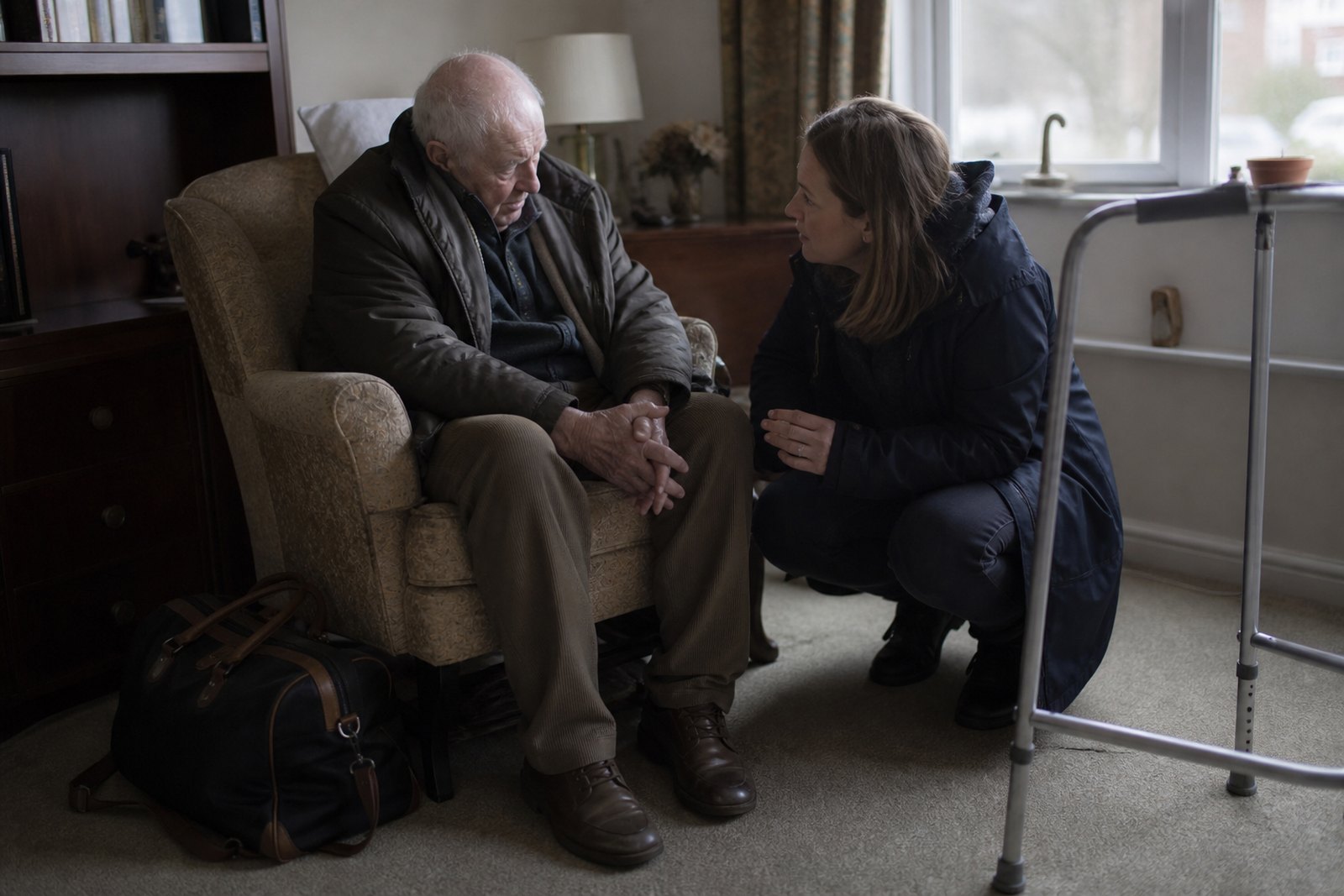
Hospital discharge often happens faster than families expect, and it can be genuinely stressful trying to make sure home is properly ready - particularly if mobility, strength or confidence has changed during the hospital stay. This guide sets out a practical family checklist for discharge planning, and where occupational therapy fits in.
Why discharge planning matters
Coming home too early relative to a genuinely unprepared house is a common, avoidable cause of readmission, falls, or a difficult first few weeks at home. The good news is that most of what makes a real difference is practical and achievable with a bit of planning - the challenge is usually knowing what to check and when, especially with discharge sometimes arranged at short notice.
Before discharge: questions worth asking the hospital team
- "What has changed about their mobility or daily function since admission?"
- "Is any equipment being arranged before discharge, or do we need to source it ourselves?"
- "Are there any restrictions on movement, lifting or weight-bearing we need to know about at home?"
- "Has an occupational therapist assessed them, and is a home visit or home-based follow-up planned?"
- "Who do we contact if something isn't working once they're home?"
Don't be afraid to ask these questions more than once, or to different members of the team - discharge can be a busy, fast-moving process, and it's entirely reasonable to want clarity before someone actually comes home.
A practical home-readiness checklist
- Access. Can they get in through the front door safely, including managing any steps?
- Stairs. If stairs are unavoidable, is a rail in place, and is a temporary downstairs sleeping arrangement worth considering?
- Bathroom. Is the bath or shower usable safely in their current state, or is a bath board, shower chair or rail needed in the short term?
- Bed height and access. Can they get in and out of bed without excessive strain, particularly if any lifting or twisting restrictions apply?
- Seating. Is there a chair at the right height for them to get up from easily? See our guide to choosing the right chair.
- Kitchen and meals. Can they manage basic meal preparation, or does support need arranging for the first few weeks?
- Trip hazards. Loose rugs, trailing cables and clutter along key routes should be cleared before they return.
- Medication. Is a clear system in place for managing any new or changed medication?
How occupational therapy fits in
Occupational therapy is often involved both within the hospital, assessing readiness for discharge, and afterwards, through a home-based follow-up visit checking that the practical set-up genuinely works for daily life. A private, home-based hospital discharge support visit can be particularly useful where NHS follow-up capacity is limited, or where a family simply wants an additional, unhurried assessment specifically focused on how the home itself is working.
Common gaps families notice after getting home
- Equipment recommended in hospital that hasn't actually arrived yet, or doesn't fit the home as expected
- Tasks that seemed manageable in a hospital setting proving genuinely harder in an unfamiliar or less accessible home layout
- Fatigue being underestimated - many people are far more tired at home than they expected, even when physical recovery is going well
- Family carers taking on more physical support than is sustainable, without realising alternatives or equipment could help
None of these are unusual, and a follow-up occupational therapy visit shortly after discharge is a genuinely practical way to catch and address them early, rather than muddling through.
Supporting family carers
Family members often take on a significant share of support immediately after discharge, sometimes without much guidance on safe technique or realistic expectations. Occupational therapy can help with practical strategies for carers too - safe ways to assist with transfers, pacing to avoid carer burnout, and honest conversations about what additional support might genuinely be needed.
If you live far away, or can't be there in person
Not every family member lives close enough to check the home in person before discharge, and this is worth being upfront about rather than assuming someone else will cover it. A phone conversation with the hospital discharge team about exactly what's being sent home, and when, is a reasonable substitute where an in-person visit isn't possible. A private occupational therapist can also carry out a home-readiness check on your behalf, then feed back directly to you or the family, which can offer real reassurance when you can't be there yourself in the days immediately around discharge.
Longer-term planning
Some discharges highlight a need for longer-term change - a genuinely unsuitable bathroom, stairs that are becoming a real barrier, or a home layout that no longer fits current needs. Where this is the case, it's worth discussing a fuller home adaptations assessment, and, for significant work, understanding whether a Disabled Facilities Grant might apply. Our recovering after hospital guide covers this transition in more depth.
Frequently asked questions
How soon after discharge should a home visit happen?
This depends on the individual situation, but generally sooner is better where there's genuine uncertainty about how the home set-up is working - many families find a visit in the first one to two weeks after discharge most useful, catching problems before they become entrenched.
What if the hospital didn't arrange any home follow-up?
This is common, particularly where NHS community OT capacity is stretched. A private occupational therapist can carry out this kind of follow-up visit directly, without needing to wait for NHS availability.
Can occupational therapy help even if there's no equipment need, just general uncertainty?
Yes - many families simply want reassurance and an outside, professional opinion that things are set up safely and sensibly, even where no specific equipment or adaptation turns out to be needed.
Next steps
If someone in your family is due home from hospital, or has recently returned, find your local occupational therapist via our areas we cover page, or see our prices page for current guide pricing.
Talk to an occupational therapist near you
This guide is general information. For advice about your own situation - or someone you look after - a local occupational therapist can visit you at home and see it for themselves.
Choose your area: