

Hand Therapy at Home: Recovering Hand and Wrist Function
By Mobile Occupational Therapist • 31 July 2026 • 6 min read
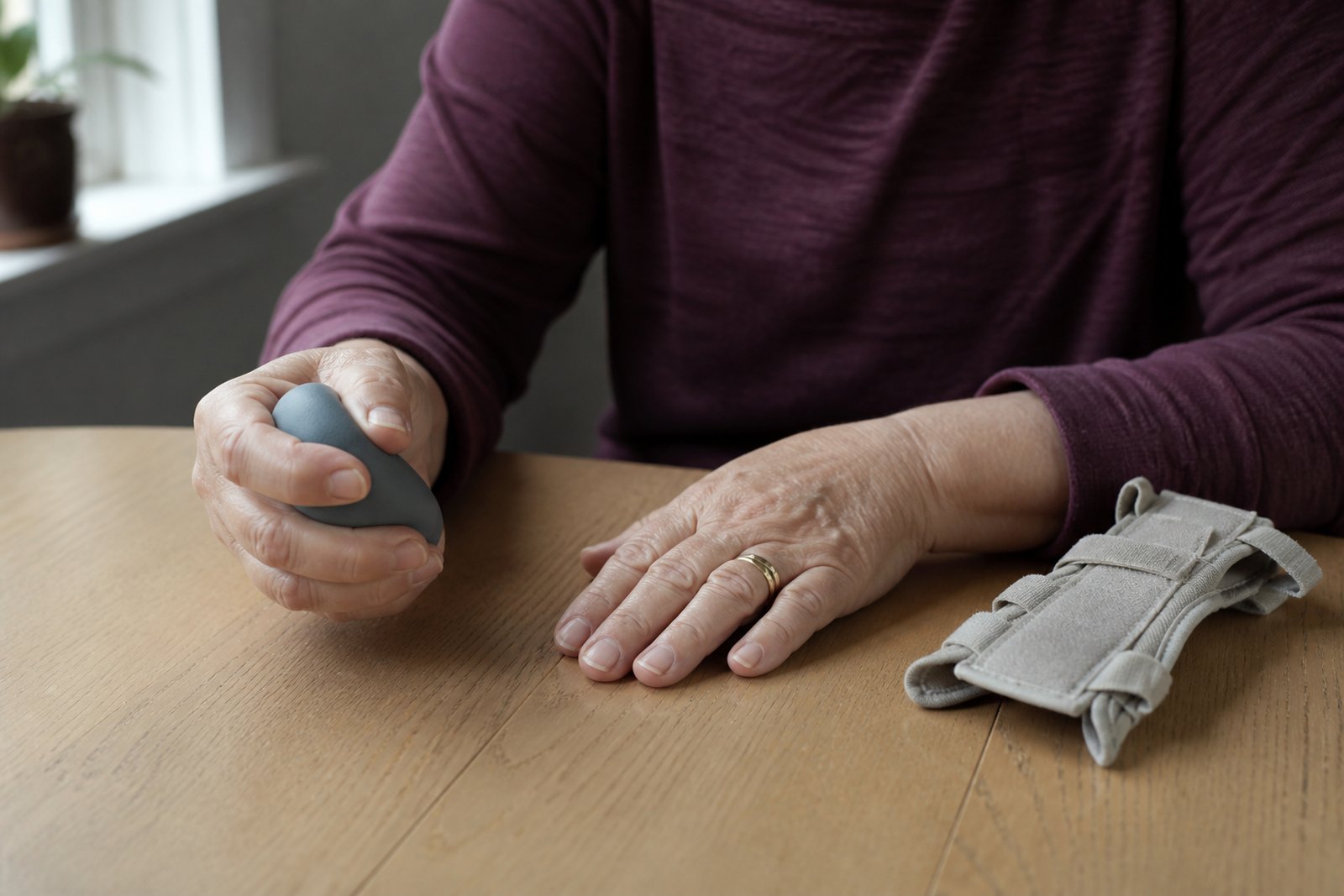
The hand is involved in an enormous share of daily activity - dressing, eating, washing, working, holding a phone, turning a key. When hand or wrist function changes, whether through injury, surgery, arthritis or a neurological condition, the impact on daily life can be far greater than the size of the affected area suggests. Hand therapy is the specialist area of occupational (and sometimes physio) therapy focused on this recovery.
What hand therapy is
Hand therapy is a specialist field, often practised by occupational therapists (and sometimes physiotherapists) with additional dedicated training in the hand and upper limb. It focuses specifically on restoring function - grip, dexterity, coordination and the ability to carry out everyday tasks - following injury, surgery, or a condition affecting the hand, wrist or forearm. It sits at the crossover of hands-on rehabilitation and the everyday, functional focus that runs through occupational therapy more broadly.
Common reasons people seek hand therapy
- Recovery following hand or wrist surgery, such as after a fracture, tendon repair or joint replacement
- Injuries including fractures, dislocations, tendon or nerve injuries
- Conditions such as arthritis, where joint pain and stiffness affect grip and dexterity
- Reduced hand function following a stroke or other neurological event
- Repetitive strain or overuse-related conditions affecting the hand and wrist
See our dedicated hand and upper limb injuries condition page for more on how these situations are commonly supported.
The everyday-function focus
Where hand therapy differs from a purely clinical, exercise-based approach is its focus on what the hand actually needs to do in daily life. Rather than treating grip strength or range of movement as goals in isolation, a hand therapist looks at the specific tasks that matter to you - doing up buttons, holding cutlery, using a computer keyboard, gripping a walking stick - and works towards recovering the function those tasks actually require.
This is a genuinely important distinction: for one person, recovering enough grip to hold a coffee cup safely might be the priority; for another, returning to fine, precise work such as sewing or playing an instrument matters far more. Recovery is judged against your own goals, not a generic benchmark.
What a hand therapy assessment involves
A typical assessment covers a conversation about what's changed, which everyday tasks feel hardest, and what recovery would look like for you specifically. This is usually followed by observing hand and wrist movement and grip during relevant tasks, and discussing any splints, equipment or adapted techniques that might help in the meantime while function improves. Where appropriate, your therapist may liaise with your surgeon or GP, particularly in the early stages after surgery, to make sure recommendations align with your medical recovery plan.
Everyday equipment that can help during recovery
- Adapted cutlery and kitchen tools with wider, easier-to-grip handles - see our guide to kitchen aids and meal-time independence
- Dressing aids such as button hooks or elastic laces, reducing the fine motor demand of getting dressed
- Splints and supports, where recommended as part of a structured recovery plan
- Ergonomic adjustments at a desk or workstation, particularly for anyone needing to type or write as part of work - see our workplace and ergonomic assessment service
A note on exercise and clinical prescriptions
Specific hand and wrist exercise programmes are individually prescribed, usually by a hand therapist or surgical team, based on your particular injury or surgery, the stage of healing, and any restrictions your surgeon has put in place. This guide deliberately does not set out specific exercises, since the wrong exercise at the wrong stage of healing can cause real harm - always follow the programme given to you by the professional managing your specific recovery, and raise any questions directly with them.
Swelling, scarring and sensation
Recovery after a hand or wrist injury or surgery often involves more than just movement and strength. Swelling can restrict movement and comfort in the early stages, and simple measures like elevation and gentle, appropriately-timed movement (as advised by your treating professional) can help manage it. Scar tissue can affect both how the skin moves and how it feels, and scar management techniques - again, specific to your situation and best guided by your hand therapist - can improve both comfort and function over time. Changes in sensation, including numbness or heightened sensitivity, are also common after nerve involvement, and are worth discussing openly, since they affect how safely you can use your hand for everyday tasks like handling hot items.
Realistic expectations
Hand and wrist recovery is often gradual, and progress isn't always a straight line - some weeks feel like real steps forward, others feel stalled. A good hand therapist will be honest with you about realistic timescales and what's achievable, based on your specific injury and stage of recovery, rather than offering vague reassurance. Occupational therapy can help with the practical, everyday side of this recovery, working alongside - not replacing - your surgical or medical team.
Frequently asked questions
Do I need a referral for hand therapy?
Not necessarily for private hand therapy - many people arrange this directly, particularly after being discharged from surgical follow-up. If you have a referral letter, discharge summary, or specific instructions from your surgeon, it's worth sharing these at your first appointment.
How soon after surgery can hand therapy start?
This depends entirely on the type of surgery and your surgeon's specific guidance - some situations call for very early, gentle involvement, while others require a longer period of protected rest first. Always follow your surgical team's instructions on timing, and check with them if you're unsure.
Is hand therapy the same as physiotherapy for the hand?
There's real overlap, and both professions can provide excellent hand rehabilitation. Occupational therapy's hand therapy tends to bring a particularly strong focus on everyday function and adapted daily-living strategies alongside the physical recovery itself.
Next steps
If hand or wrist function is affecting your daily life, find your local occupational therapist via our areas we cover page, or see our prices page for current guide pricing.
Talk to an occupational therapist near you
This guide is general information. For advice about your own situation - or someone you look after - a local occupational therapist can visit you at home and see it for themselves.
Choose your area: