
Occupational Therapy for Stroke
Recovering from a stroke often means relearning how to do things that used to be automatic. Occupational therapy focuses on the practical, everyday side of that recovery - helping you manage daily activities safely and confidently, in the home you're actually recovering in.
What Stroke can mean for daily life
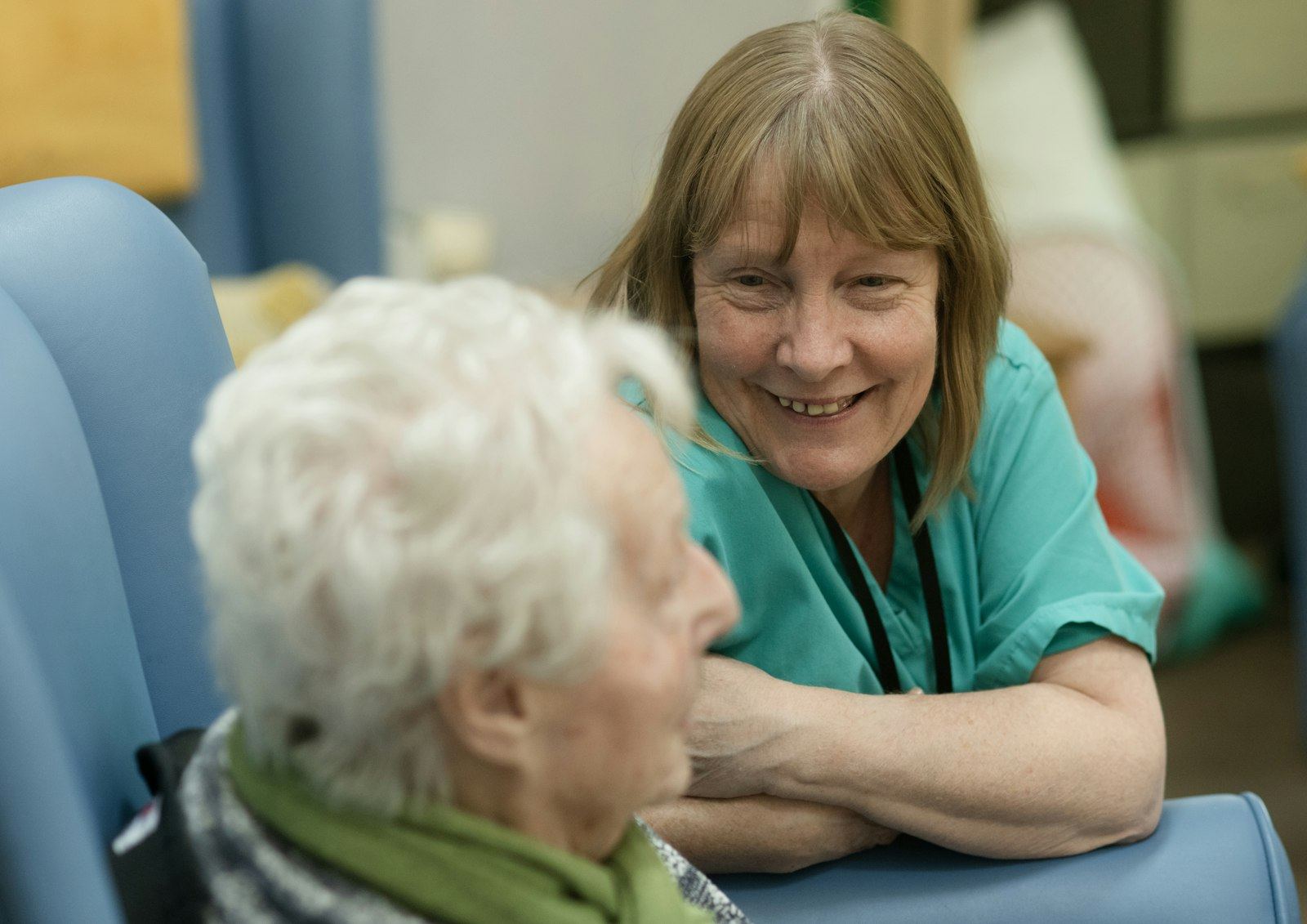
A stroke can affect movement, strength and coordination on one side of the body, along with balance, vision, fatigue, and sometimes speech or thinking. The impact on daily life is rarely just about the arm or leg that's affected - everyday tasks like washing, dressing, preparing food or getting in and out of a chair often need to be relearned or adapted.
Fatigue is one of the most under-discussed effects of stroke: many people find that tasks which were once effortless now take real concentration and leave them exhausted, which can be discouraging if progress feels slower than expected.
How a home OT visit can help
Relearning everyday tasks
An occupational therapist works through the specific activities that matter to you - dressing one-handed, safely using the kitchen, getting in and out of the bath - breaking them into manageable steps and practising them in your own home rather than a clinic setting.
Adapting the home environment
Practical changes - grab rails, a raised toilet seat, rearranging the kitchen so frequently used items are within reach of your stronger side - can restore a surprising amount of independence quickly, while longer-term goals are worked toward.
Building confidence with movement
Many people become understandably cautious after a stroke, particularly around falls. An OT helps rebuild confidence gradually and safely, working alongside any physiotherapy input you're also receiving.
Managing fatigue and pacing
Learning to pace activity across the day - rather than pushing through and then crashing - is often one of the most valuable, and least expected, parts of occupational therapy after a stroke.
What an assessment involves
A stroke-focused home assessment starts with understanding which everyday activities feel hardest right now, and what matters most to you - that might be making a cup of tea independently, managing the stairs, or being able to get dressed without help.
The therapist observes you attempting a few of these tasks at your own pace, looks at how your home currently works for you, and agrees a written, prioritised set of next steps with you - whether that's equipment, home adaptations, or a programme of practice to build specific skills back up.
Equipment and home adaptations that can help
- One-handed or adapted equipment for dressing, eating and food preparation
- Grab rails, raised toilet seats and other bathroom safety equipment
- Mobility aids matched to your current balance and strength, reviewed as you progress
- Practical kitchen and household adaptations that reduce strain on your affected side
When to seek medical help: If you notice sudden new symptoms - facial drooping, arm weakness, slurred speech - this is a medical emergency: call 999 immediately, using the FAST test as a guide. For ongoing recovery, occupational therapy works alongside your GP, stroke consultant, physiotherapist and any community stroke team you're already under; it complements medical and rehabilitation care rather than replacing it, and any new or worsening symptoms should always be discussed with your medical team first.
Find local support for Stroke
Find your local occupational therapist and see current pricing for a home visit, or contact the office if you're not sure where to start.
Related services
More condition support
Frequently asked questions
How soon after a stroke can occupational therapy start at home?
This depends on your individual recovery and medical advice, particularly if you've recently been discharged from hospital. Many people start home-based occupational therapy once they're medically stable and settled at home - your GP or discharge team can advise on timing.
Does occupational therapy replace physiotherapy after a stroke?
No - the two work well together. Physiotherapy typically focuses on movement, strength and walking; occupational therapy focuses on translating that recovery into everyday activities like washing, dressing and cooking. Many people benefit from both.
Will I get back to how things were before?
Recovery varies significantly from person to person, and no therapist can honestly promise a specific outcome. What occupational therapy can do is help you make the most of your recovery and find practical ways to manage day to day, whatever stage you're at.
Can occupational therapy help with returning to work or driving?
Occupational therapy can help you think through the practical and cognitive demands of work, and can support a graded return where appropriate. Driving after a stroke has specific DVLA rules - your GP or consultant will advise on what applies to you.