

Vocational Rehabilitation: Getting Back to Work After Illness or Injury
By Mobile Occupational Therapist • 3 August 2026 • 5 min read
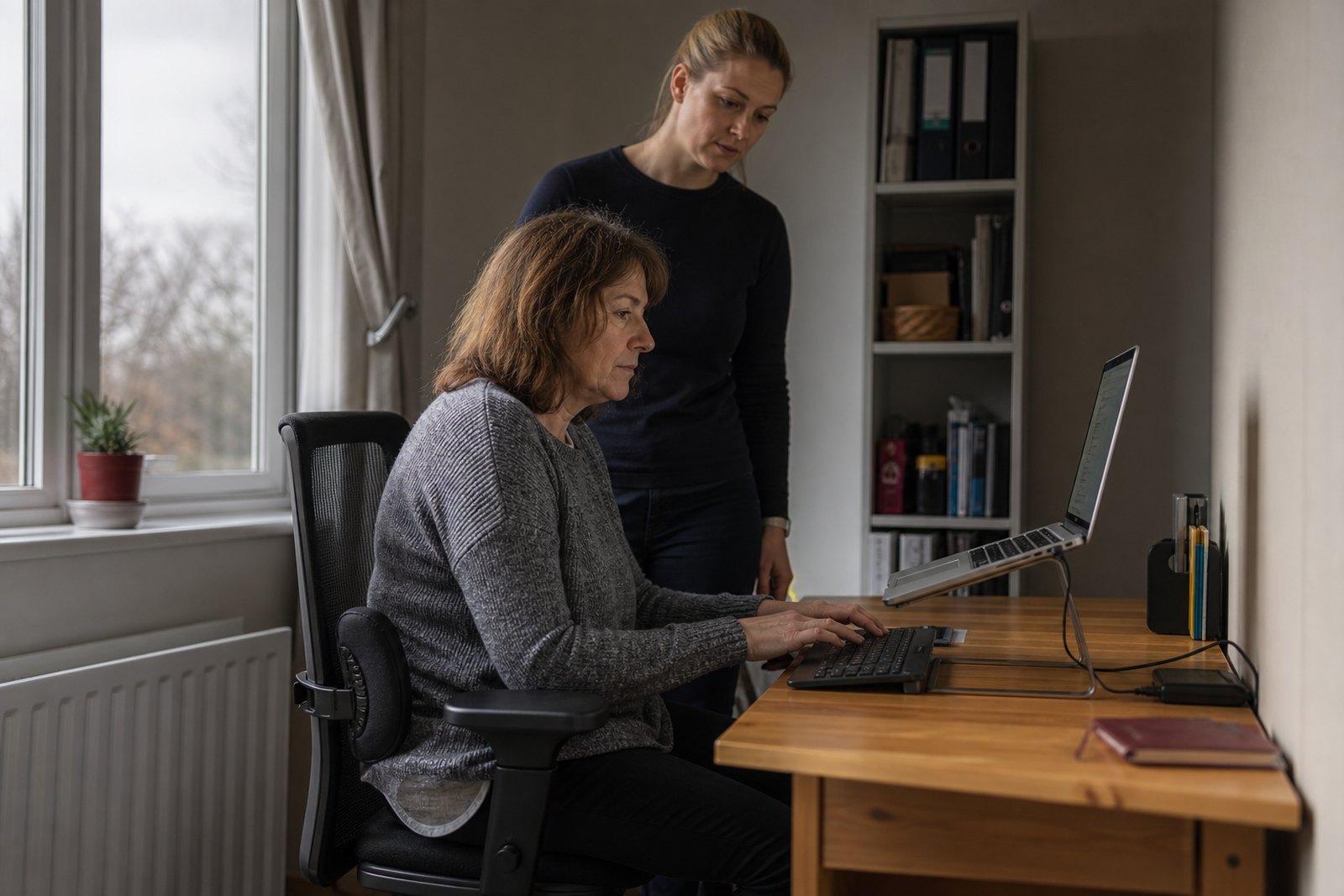
Returning to work after a significant illness or injury is rarely as simple as picking up where you left off. Energy, concentration, physical capability and confidence can all be affected, sometimes in ways that aren't obvious until you're actually back in the workplace. Vocational rehabilitation is the area of occupational therapy focused specifically on supporting that return, in a way that's realistic and sustainable rather than rushed.
What vocational rehabilitation actually is
Vocational rehabilitation is the process of helping someone return to, or remain in, work following illness, injury, or a change in health. Occupational therapists bring a particular strength to this area because their entire training is built around function - what someone can and can't currently do, and what would help close the gap - applied specifically to the demands of a job rather than daily life in general.
Who vocational rehabilitation is for
- Anyone returning to work after a significant physical injury or surgery
- People managing a long-term condition where symptoms fluctuate, such as multiple sclerosis
- People recovering from a mental health episode where a graded, supported return matters
- Anyone recovering from a stroke or neurological event, where cognition, fatigue or physical function may affect specific job tasks
- People whose hand or upper limb function has changed - see our guide to hand therapy at home
What a workplace assessment involves
A typical vocational assessment starts with understanding the specific demands of your job - the physical tasks, the cognitive load, the environment, and the pace expected - set against your current capability and how it's likely to change over the coming weeks or months. This may involve a visit to your actual workplace, or a detailed conversation where that isn't possible, followed by practical recommendations. See our workplace and ergonomic assessment service for more on how this typically works.
Common recommendations
- Phased return plans, gradually building hours or duties rather than returning to full capacity immediately
- Workstation adjustments - seating, screen height, equipment positioning - particularly relevant for desk-based roles or after a hand or upper limb injury
- Task modification, temporarily or permanently adjusting specific duties that are currently beyond capability
- Fatigue management strategies, particularly relevant for conditions involving variable energy levels
- Reasonable adjustments under the Equality Act, discussed and, where appropriate, formally recommended in a report for an employer
Working with employers
Vocational rehabilitation often works best as a three-way conversation between the individual, their occupational therapist, and their employer or HR team, since a return-to-work plan needs to be genuinely workable on both sides. An occupational therapist can help translate clinical or functional information into practical, specific recommendations an employer can actually act on - rather than vague statements like "reduced hours" without clarity on what that means in practice.
The role of pacing and fatigue management
A common mistake during return to work is pushing too hard, too soon, out of understandable eagerness to feel "back to normal." Occupational therapy often introduces the idea of pacing - deliberately managing activity levels to avoid a cycle of over-doing it followed by a crash and extended time off. This is particularly relevant for fluctuating conditions, but genuinely useful advice for almost any significant return to work.
Cognitive demands of returning to work
It's easy to focus purely on physical capability when planning a return to work, but cognitive demands - concentration, multitasking, memory, and coping with a busy or noisy environment - matter just as much, particularly after a neurological event, a significant illness, or a period of poor mental health. An occupational therapist can help identify where cognitive load is likely to be the limiting factor, not physical stamina, and build a return-to-work plan around that reality rather than assuming physical readiness automatically means full readiness for work.
What vocational rehabilitation isn't
It's worth being clear about scope: vocational rehabilitation supports a realistic return to work; it does not provide medical treatment for the underlying condition, employment law advice, or a guarantee of any particular work outcome. Where legal, medical or occupational health input is needed alongside occupational therapy, a good therapist will say so and help you find the right additional support, rather than trying to cover everything themselves.
Self-employed and small business considerations
For people who are self-employed, or work for very small organisations without a formal HR structure, vocational rehabilitation still applies - the focus simply shifts to practical adjustments you can make yourself, pacing your own workload, and being realistic about capacity during recovery, since there's no separate employer to negotiate adjustments with.
Frequently asked questions
Does vocational rehabilitation guarantee I'll return to my exact previous job?
No - the goal is a realistic, sustainable return based on your actual current and likely future capability, which may mean some adjustment to duties, hours or role, at least initially. Your therapist will be honest with you about what's realistic rather than promising a specific outcome.
Will my employer be involved in the assessment?
Often, yes, with your agreement - many workplace assessments benefit from direct conversation with an employer or HR contact, since adjustments need to work practically within your specific workplace. This is always discussed and agreed with you first.
Is vocational rehabilitation only for physical injuries?
No - it applies equally to mental health-related absences, fluctuating long-term conditions, and cognitive changes following a neurological event, not just physical injury.
Next steps
If you're planning a return to work after illness or injury, a workplace assessment can help make that transition realistic and sustainable. Find your local occupational therapist via our areas we cover page, or see our prices page for current guide pricing.
Talk to an occupational therapist near you
This guide is general information. For advice about your own situation - or someone you look after - a local occupational therapist can visit you at home and see it for themselves.
Choose your area: