

Older People & Independence
Support to keep everyday routines, safety and confidence on track as things change with age - for you and the people who care about you.
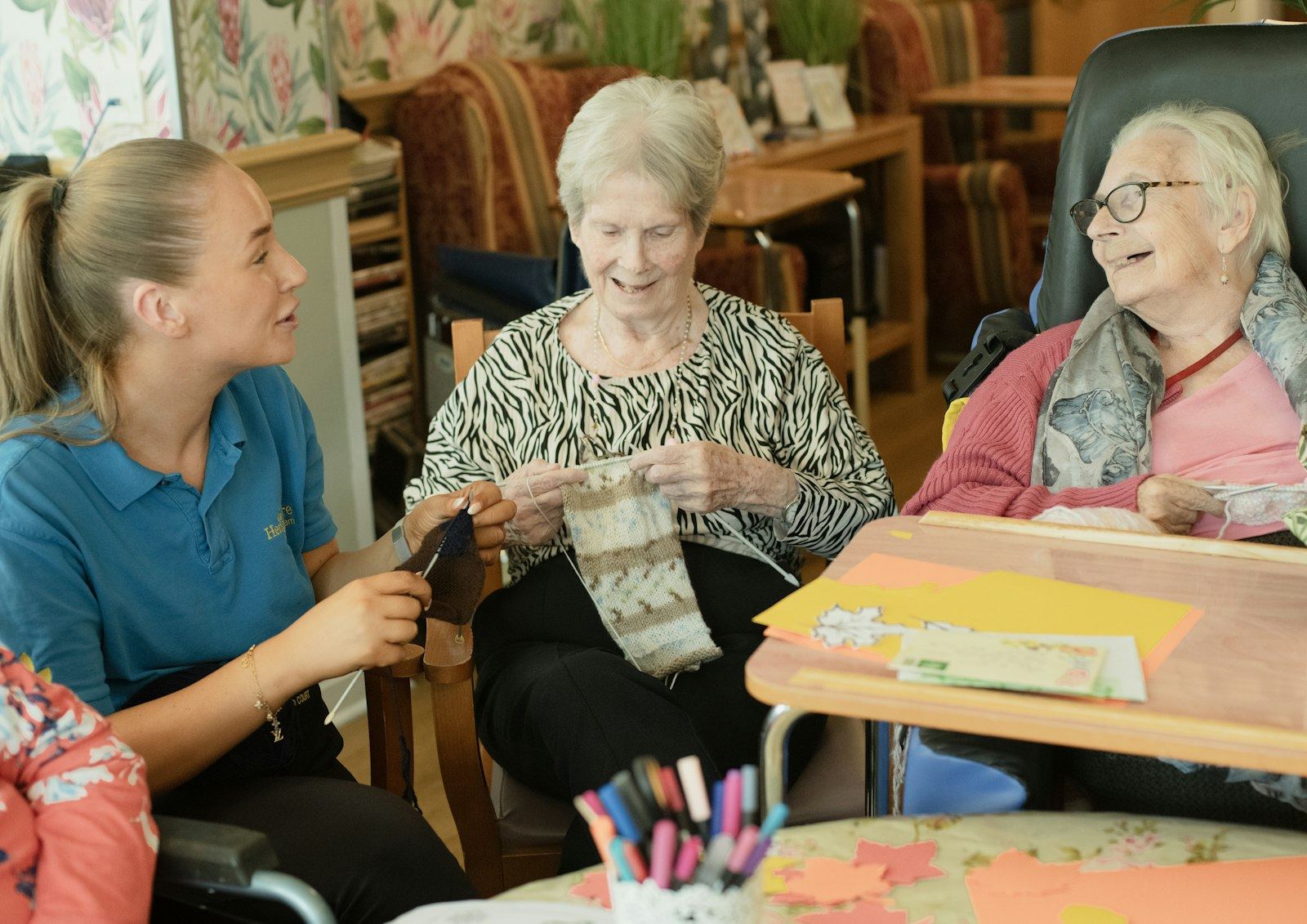
What it is
This service focuses on the everyday things that make up independent living for older adults - safe routines, managing fatigue, staying steady on your feet, and keeping the activities that matter most to you going for as long as possible. It includes practical support for people living with dementia or arthritis where daily routines have become harder, always focused on function and familiarity rather than the diagnosis alone. It is a proactive, whole-person service, not something that only starts after a crisis.
Who it helps
- Older adults who want to stay independent and are noticing things getting harder
- People living with dementia or memory changes who want to stay in familiar, safe routines at home
- People managing arthritis or joint pain that makes everyday tasks harder
- People who have become more cautious or less confident since a fall or illness
- Families wanting an honest, professional view of how a relative is really managing
- Anyone wanting practical routines and pacing strategies to manage fatigue and reduced stamina
What a home visit involves
- An open conversation about your routines, priorities and any worries
- Looking at how you manage the tasks that matter most - not a generic checklist
- Practical strategies for pacing, safety and confidence
- Support for family members or carers involved in day-to-day life, where wanted
Independence usually narrows quietly, one task at a time
It is unusual for someone to stop managing at home all at once. What normally happens is that tasks drop away one by one, each for a reasonable-sounding reason, until the range of ordinary life has shrunk without anybody having decided that it should.
The language people use is often the clue. "I do not really eat much these days" can mean that carrying shopping has become hard. "I prefer a strip wash now" can mean the bath has become frightening. "I do not go out in the evenings any more" can mean the front step is difficult in poor light. None of those sound like complaints, which is exactly why they get missed.
Doing less also feels like the cautious response, particularly after a fall, and in the short term it is. Over a longer period it carries its own costs, because steadiness, stamina and confidence are largely maintained by being used. That tension is worth naming rather than glossing over: the option that feels safest and the option that keeps the most life in it are not always the same one.
Whose decision it is
Many of these visits are arranged by an adult son or daughter rather than by the person being visited, almost always with good intentions. It is worth being clear how that works. The occupational therapist is there for the older person, the visit needs their agreement, and they are entitled to decline any recommendation that comes out of it.
An adult who understands a risk is allowed to accept it. Someone may decide that a bath is worth the difficulty, or that they would rather keep the rug where it is. A professional can set out what the risk is, what would reduce it and what the alternatives are, and then it is their call. That principle is uncomfortable for families, and it is the same principle that stops any of us having our homes rearranged by other people.
What an assessment can do in a disagreement is give everybody the same information. It is a poor tool for winning an argument and a good one for ending a guessing game.
Memory changes call for a different kind of answer
Where memory or thinking has changed, the instinct is to add things: new equipment, new reminders, new routines. That often makes matters worse, because unfamiliar objects have to be learned and learning is precisely what has become harder. A cupboard moved somewhere more logical is a cupboard that can no longer be found.
The approach that tends to work is the opposite one. Keep the environment as familiar as it already is and make it clearer rather than newer - better lighting on the route to the bathroom, contrast between the toilet seat and the floor, frequently used things left visible rather than tidied behind doors, and long-established habits left alone even when they look inefficient.
It changes who the advice is aimed at, too. Much of it is directed at the environment and at the people around the person, so that it goes on working without anyone having to remember it.
What this can achieve
- A realistic plan built around what matters to you, not a generic list of dos and don'ts
- Greater confidence carrying out daily activities safely
- Reduced risk of a fall or a crisis that could have been headed off earlier
- Peace of mind for family members involved in day-to-day support
See this service in your area
Find your local occupational therapist and see current pricing for Older People & Independence.
Other services
Frequently asked questions
My mother says she is managing perfectly well and I do not think she is. What can I do?
Start from what she wants to keep doing rather than from what worries you. A visit offered as help to keep the garden or the kitchen going lands very differently from one that is obviously a test. She can decline, and if she does, that is the end of it. Where you cannot agree, raising one specific difficulty you have both seen tends to get further than making a general case that she is not coping.
Is this the same as a social care needs assessment from the council?
No. A council needs assessment establishes whether someone is eligible for funded care and support, and only the council can carry it out. This is a practical assessment of how daily activities are actually going and what would make them easier. The two sit perfectly well alongside each other, and a written account of the difficulties can be useful evidence when the council assessment happens, but neither replaces the other.
Will we be told it is time to consider a care home?
That is not an occupational therapist's decision to make, and it is not what this service is for. What an assessment can do is set out plainly what would have to change for home to keep working, and where the practical limits of that are. Families often find that a clearer picture makes the conversation easier, whichever way it eventually goes.
Is there any point if the person will not remember the advice?
Usually yes, because most of the advice is not the kind that has to be remembered. Changes to lighting, layout, contrast and where things are kept go on working by themselves, and guidance for family or carers stays with the people supporting the routine. Advice that depends on somebody recalling a new instruction is the least useful kind in these circumstances, and a reasonable assessment tries not to rely on it.
Who carries out the Older People & Independence visit?
A qualified, HCPC-registered occupational therapist covering your area carries out the assessment and any follow-up visits in person, at your home.
How is Older People & Independence priced?
Your occupational therapist confirms their fee for Older People & Independence before you book - see our prices page for current guide pricing.
Will I get anything in writing?
Where relevant, you'll receive a written summary or report of the visit, agreed with you at the outset - particularly for equipment recommendations, adaptations or reports for a third party.
What happens after the first visit?
Your occupational therapist will agree next steps with you directly - this might be a follow-up visit, a set of recommendations to action yourself, or referral on if something falls outside their scope.