

Occupational Therapy for Arthritis
Whether it's osteoarthritis, rheumatoid arthritis or another joint condition, arthritis often makes ordinary daily tasks - opening jars, gripping a kettle, managing stairs - quietly harder before anyone else notices. Occupational therapy focuses on practical ways to protect your joints while keeping you doing the things that matter.
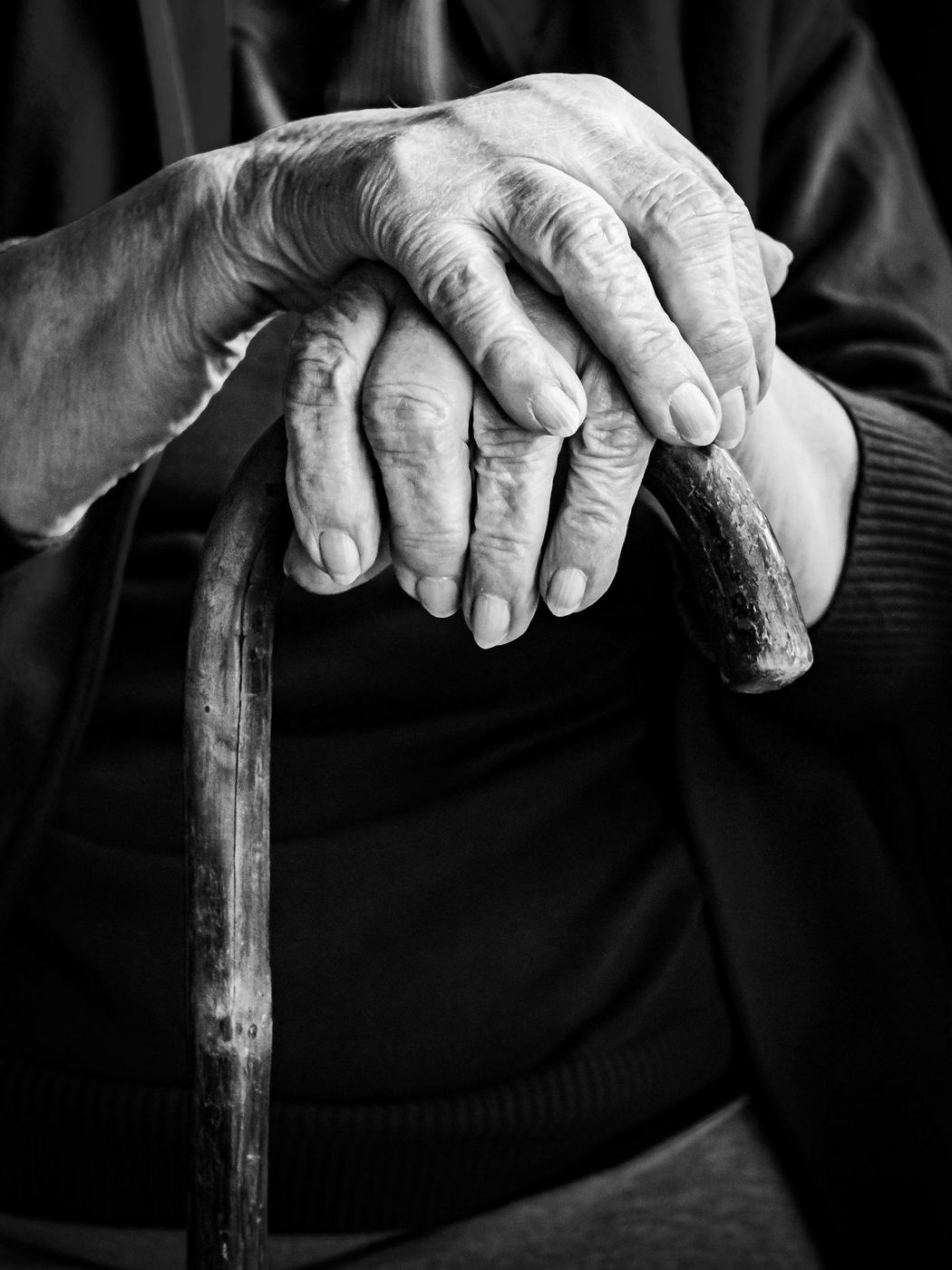
What Arthritis can mean for daily life
Arthritis affects joints, but its real impact is on tasks: turning a key, holding cutlery, getting up from a low sofa, kneeling to reach a low cupboard. Pain, stiffness (particularly first thing in the morning) and reduced grip strength can all make these tasks slower, more painful, or something to be avoided altogether.
Many people quietly stop doing certain activities rather than ask for help - gardening, cooking from scratch, hobbies involving fine hand movements - which can affect independence and wellbeing well before the joint pain itself feels "bad enough" to seek support.
How a home OT visit can help
Joint protection techniques
An occupational therapist teaches practical ways to carry out everyday tasks that put less strain on affected joints - different grips, using larger joints instead of smaller ones, and pacing tasks to avoid flare-ups.
Adapted equipment for daily tasks
Simple aids - jar openers, built-up handles on cutlery, lightweight kettles - can restore independence in tasks that have quietly become difficult or painful, without requiring you to give them up.
Reducing strain around the home
Practical changes to furniture height, storage layout and bathroom equipment can significantly reduce the number of painful movements needed across an ordinary day.
Keeping you doing what matters to you
Where a hobby or activity has become harder, an OT looks at ways to adapt it rather than assuming it has to stop - often a small change in technique or equipment is enough.
What an assessment involves
An arthritis-focused home assessment starts with a conversation about which specific tasks have become harder or more painful, and which joints are most affected, before moving into a practical look at how you manage things like the kitchen, bathroom, dressing and getting around your home.
The therapist observes a few everyday tasks, discusses pain patterns through the day, and agrees a written set of practical, prioritised recommendations - equipment, technique changes or small home adaptations - with you.
Equipment and home adaptations that can help
- Jar and tap turners, built-up cutlery handles and other grip-friendly kitchen aids
- Dressing aids for buttons, zips and reaching feet without bending painful joints
- Raised seating and bathroom equipment to reduce strain on hips, knees and hands
- Lightweight, easier-to-grip household tools for cleaning, gardening and everyday tasks
When to seek medical help: Occupational therapy helps with the practical, everyday side of living with arthritis, alongside your GP or rheumatology team, who manage diagnosis, medication and disease-specific treatment. If you notice a sudden hot, swollen joint, a significant change in symptoms, or think you may be having a flare that needs medical attention, contact your GP or rheumatology team directly.
Find local support for Arthritis
Find your local occupational therapist and see current pricing for a home visit, or contact the office if you're not sure where to start.
Related services
More condition support
Frequently asked questions
Is occupational therapy only for severe arthritis?
No - many people find it most useful earlier on, when specific tasks have started becoming difficult but before pain or joint damage has progressed significantly. Small changes made early can help protect your joints over the longer term.
What's the difference between occupational therapy and physiotherapy for arthritis?
Physiotherapy typically focuses on movement, strength and exercise for the joint itself; occupational therapy focuses on how you carry out daily activities and how to adapt tasks, equipment and your home to reduce strain. Many people benefit from both.
Can occupational therapy help with rheumatoid arthritis flare-ups?
Yes - an OT can help you plan practical strategies for managing daily tasks during flares, including pacing, joint protection and having the right equipment to hand, alongside your rheumatology team's medical management.
Will I need a formal diagnosis before booking?
No - many people book simply because everyday tasks have become harder or more painful, whether or not they have a formal arthritis diagnosis yet. It's still worth discussing ongoing joint pain with your GP.