

Occupational Therapy for Developmental Delay
When a child's development in areas like coordination, self-care skills or play is progressing more slowly than expected, occupational therapy offers practical, play-based support - helping build the everyday skills that matter, at a pace that works for your child.
What Developmental Delay can mean for daily life
Developmental delay can affect different areas - fine motor skills (holding a pencil, using cutlery, doing up buttons), gross motor skills (climbing, balance, coordination), or everyday self-care tasks like dressing and washing. For families, it often shows up first as a task other children the same age seem to manage more easily.
It can be worrying not knowing whether a delay is part of a wider pattern or a specific area that just needs extra support, and families sometimes feel caught between "wait and see" and wanting to do something practical now.
How a home OT visit can help
Building skills through play
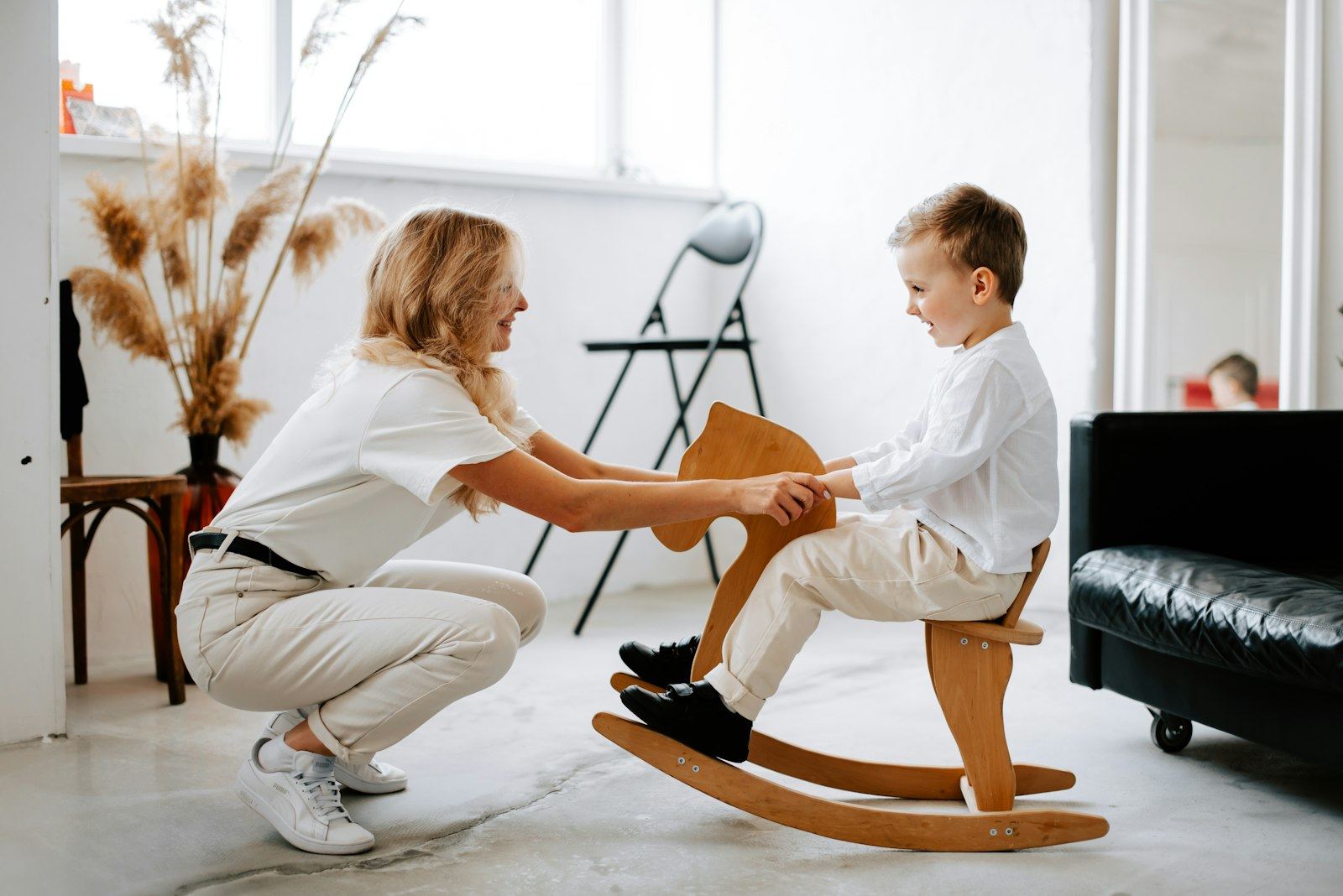
Occupational therapy for children works through play and everyday activities your child already enjoys, using them to build coordination, strength and confidence in the specific skills that are lagging - not formal exercises out of context.
Breaking tasks into achievable steps
Self-care tasks like dressing, using cutlery or managing buttons can be broken into smaller, achievable steps, so your child experiences success along the way rather than facing the whole task at once.
Practical strategies for home and school
An OT can suggest specific activities and adjustments for home, and where useful, information that can be shared with nursery or school to support consistency.
Supporting parents and carers
A home visit gives you the chance to ask direct questions and get practical, personalised strategies for your child, rather than generic developmental milestone charts.
What an assessment involves
A developmental assessment starts with a conversation about your concerns, your child's current skills, and what a typical day looks like for them, followed by observing your child at play and during a few everyday tasks in a familiar, comfortable setting.
You'll come away with a clear, honest picture of what was observed and a set of practical next steps - activities to try at home, and where relevant, a recommendation to discuss further assessment with your GP or health visitor.
Equipment and home adaptations that can help
- Adapted cutlery, pencil grips and dressing aids to support specific fine motor skills
- Play-based equipment chosen to build the specific coordination or strength areas identified
- Practical seating or positioning equipment to support posture during table-top activities
- Visual routines and step-by-step aids to support self-care tasks
When to seek medical help: Occupational therapy can help with practical, everyday skills whether or not a wider diagnosis is in place. If you have broader concerns about your child's development - speech, social interaction, or a marked change in skills they previously had - it's worth discussing with your GP or health visitor, who can consider whether a wider developmental assessment or additional referrals would help.
Find local support for Developmental Delay
Find your local occupational therapist and see current pricing for a home visit, or contact the office if you're not sure where to start.
Related services
More condition support
Frequently asked questions
What age does occupational therapy start from?
Paediatric occupational therapy can support children from early years through to teenage years - the approach and activities are tailored to your child's age and stage, not a fixed programme.
Do we need a diagnosis or referral first?
No - many families book because they've noticed a specific area where their child seems to be finding things harder than peers, without any formal diagnosis. A GP or health visitor referral is welcome if you have one, but isn't required.
Will sessions feel like play, or more like formal therapy?
For most children, sessions are built around play and everyday activities they already enjoy - this is deliberate, since children learn and engage best this way, and it makes the skills more likely to transfer into daily life.
How will we know if it's helping?
Your therapist will agree specific, practical goals with you at the outset - a particular self-care task, a coordination skill - so progress can be talked about concretely rather than vaguely.