

What Does an Occupational Therapist Do? A Plain-English Guide
By Mobile Occupational Therapist • 3 July 2026 • 7 min read
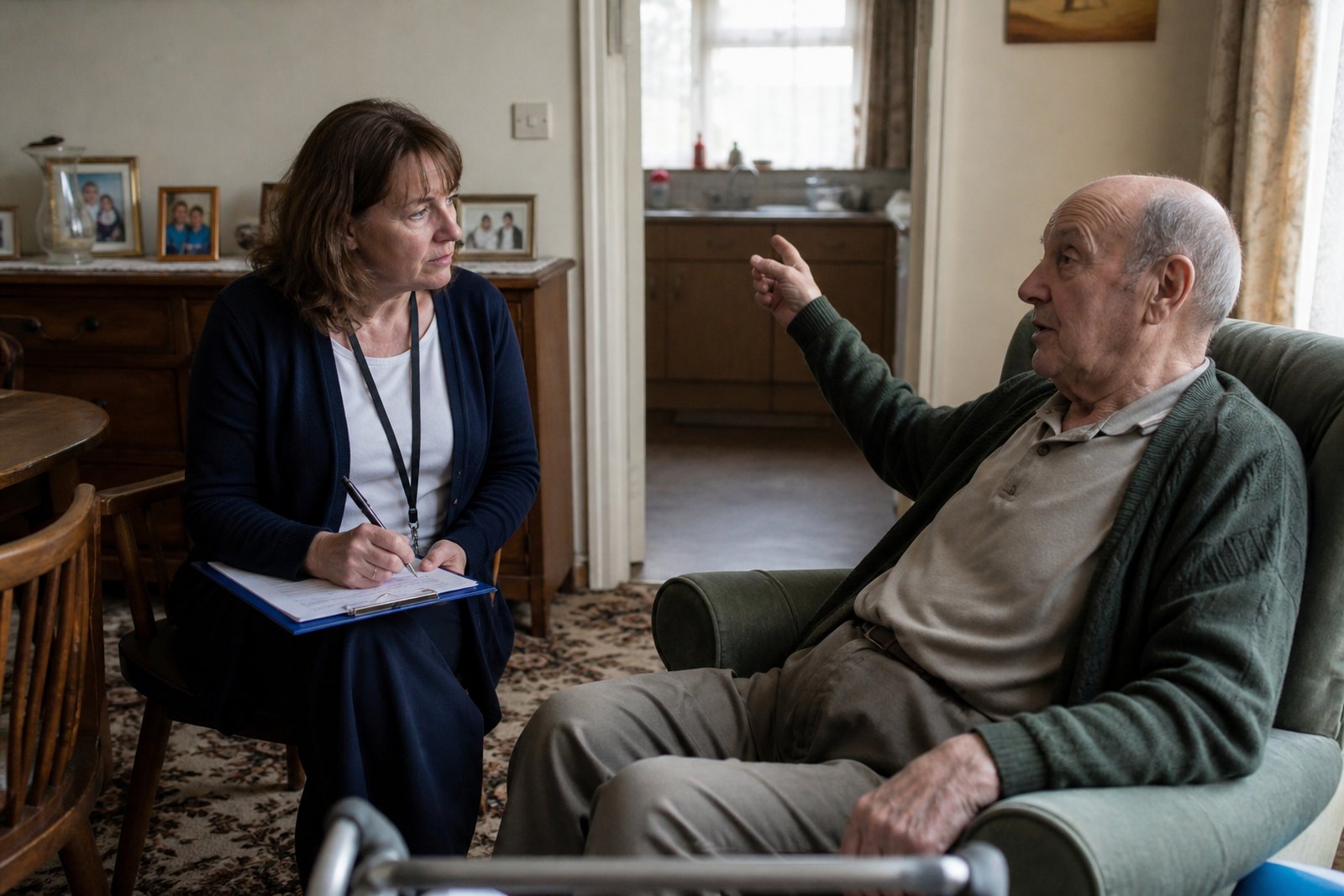
If you have been told "an occupational therapist might be able to help" and found yourself quietly wondering what that actually means, you are far from alone. Occupational therapy is one of the most widely useful - and most widely misunderstood - health professions in the UK. This guide sets out, in plain English, what occupational therapy actually is, who it helps, and what you can expect if you ever work with one.
The simple version
Occupational therapy is a health profession focused on helping people do the everyday activities - the "occupations" - that make up their lives. That includes the obvious things like washing, dressing and cooking, but also work, school, hobbies, caring for others, and simply moving safely around your own home. Occupational therapists (OTs) are HCPC-registered professionals who look at the whole picture: your body, your mind, your environment and your routines, and how all of those combine to make daily life easier or harder.
The word "occupation" here does not mean a job. In occupational therapy it means anything you need, want, or are expected to do, day to day. That broad definition is exactly what makes the profession useful across such a wide range of situations, from a child struggling with handwriting at school to an older adult who has had a fall, to someone returning to work after a serious illness.
What makes occupational therapy different
Most health professions start from a condition or a body part: a physiotherapist works on movement and strength, a GP diagnoses and treats illness, a psychologist works with thoughts and feelings. Occupational therapy starts somewhere different - with the activity itself, and what is genuinely getting in the way of it. Two people with an identical diagnosis can have completely different occupational therapy needs, because their homes, routines, priorities and support networks are different. That is why an OT visit rarely follows a fixed script; it follows you.
This also explains why occupational therapy so often involves looking at someone's actual environment rather than assessing them in a clinic. Watching how someone gets in and out of their own bath, in their own bathroom, tells an OT far more than a description ever could - which is part of why home visits are central to how the profession works in practice.
What does an occupational therapist do?
The short answer: an occupational therapist works out why an everyday activity has become difficult, and then changes something - the task, the equipment, the environment or the skill - so that it becomes possible again.
In practice, that usually involves some combination of the following:
- Assessing daily function. Understanding what someone can do, what they find difficult, and why - through conversation and, often, watching a task actually being carried out.
- Recommending equipment. From a simple perching stool to more specialist daily living equipment, matched carefully to the person and the task rather than picked from a generic list.
- Advising on home changes. Anything from moving furniture and improving lighting, through to a formal home adaptations assessment for something like a level-access shower.
- Building or rebuilding skills and routines. Helping someone relearn a task after illness or injury, or find a different way of achieving the same outcome.
- Supporting families and carers. Giving practical strategies to the people supporting someone day to day, not just the person themselves.
Occupational therapy versus physiotherapy
These two professions are often confused, and in fairness they do overlap and frequently work well together. As a rough guide: physiotherapy tends to focus on the body itself - movement, strength, pain and physical rehabilitation. Occupational therapy tends to focus on function - whether you can actually get dressed, cook a meal, or manage your stairs safely, and what would help if you can't. Many people benefit from both, at different points, working towards the same overall goal of a fuller, safer daily life.
Who occupational therapy helps
Because "occupation" covers the whole of daily life, occupational therapy has genuinely wide reach. Common groups include:
- Older adults noticing that everyday tasks have quietly become harder, with or without a specific trigger
- People recovering from a stay in hospital, where getting the home set up properly makes a real difference to recovery
- People living with a neurological condition, such as stroke, Parkinson's or multiple sclerosis
- Children with developmental or sensory needs affecting school, play or everyday routines
- Anyone recovering from a fall, or worried about the risk of one - see our guide to falls and frailty
- People managing a long-term condition such as arthritis, where daily tasks have become more difficult over time
None of this requires a dramatic event. Many people first contact an occupational therapist simply because something that used to feel easy - getting up from a chair, managing the stairs, cooking a full meal - has started to feel effortful, and they would like some practical help before it becomes a bigger problem.
What a first visit actually involves
A first occupational therapy visit is a conversation as much as an assessment. Your OT will want to understand your priorities - what matters most to you, what has changed, and what a good outcome would look like from your point of view - before moving on to a walk-through of your home and, often, watching a task or two being carried out at your own pace. You should come away with a clear, plain-language written summary of what was found and what is recommended, not a list of jargon. Our guide to what happens on a home visit covers this step by step.
Do you need a referral?
Generally, no. Private occupational therapy can usually be arranged directly, without waiting for a GP or hospital referral, although a referral or discharge letter is useful background if you have one. Where something falls outside occupational therapy's scope - for example, a new or worsening medical symptom - a good OT will say so honestly and point you towards your GP or the relevant NHS service, rather than trying to cover everything themselves.
Frequently asked questions
What does an occupational therapist do, in one sentence?
An occupational therapist helps people do the everyday activities they need or want to do, when illness, injury, disability or ageing has got in the way - by adapting the task, the equipment, the home, or the skill itself.
Is "occupational therapist" a protected title in the UK?
Yes. In the UK, "occupational therapist" is a legally protected title, and anyone using it must be registered with the Health and Care Professions Council (HCPC). This is worth checking before booking any private OT - see our guide to choosing a private occupational therapist for a full checklist.
Does occupational therapy only happen in hospitals?
No. While many OTs work within the NHS, occupational therapy also happens in schools, workplaces, care homes and - increasingly - in people's own homes through private, mobile services. A home-based visit often gives a more accurate picture of daily life than a clinic appointment ever could.
How do I know if occupational therapy is the right kind of help?
If something to do with daily activities - washing, dressing, cooking, moving around your home, working, or a child's development - has become harder than it should be, occupational therapy is usually a sensible first conversation to have. A short, no-obligation phone call with a local OT is normally the easiest way to find out.
Where to go next
This guide is meant as a starting point. If you would like to see how these ideas apply to a specific condition or situation, our conditions we help with hub and services pages go into more detail, and our areas we cover page will show whether local occupational therapy is available where you live.
Talk to an occupational therapist near you
This guide is general information. For advice about your own situation - or someone you look after - a local occupational therapist can visit you at home and see it for themselves.
Choose your area: