

Occupational Therapy for Dyspraxia (DCD)
Dyspraxia, also called developmental coordination disorder or DCD, affects how the brain plans and coordinates movement. It shows up in everyday things - buttons, handwriting, PE, using a knife and fork, getting organised - and occupational therapy is one of the main sources of practical help, for children and adults.
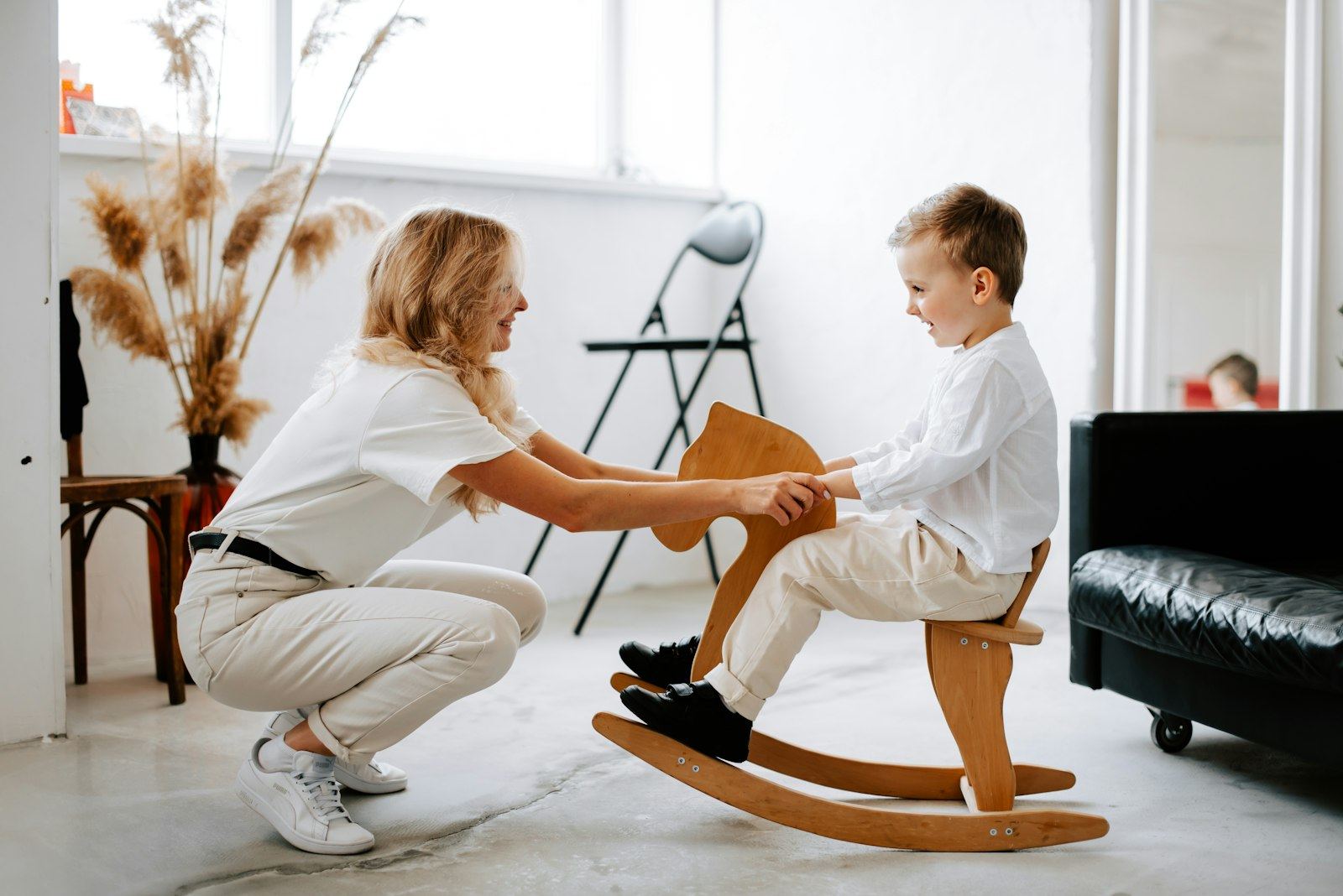
What Dyspraxia (DCD) can mean for daily life
For a child, dyspraxia often looks like clumsiness that does not grow out: still struggling with buttons, laces and cutlery when friends have mastered them, slow and tiring handwriting, finding PE and playground games hard, and coming home from school exhausted from the effort of keeping up. It has nothing to do with intelligence, and many children with DCD are frustrated precisely because they know what they want to do but cannot get their body to do it.
For adults, it tends to show up as difficulty with fine tasks, driving, cooking safely, keeping a home and paperwork organised, and the extra effort a day of work takes. Many adults were never assessed as children and only recognise the pattern later, often when a child of their own is being assessed.
How a home OT visit can help
A clear picture of what is hard, and why
An occupational therapist assesses movement and coordination with standardised tests alongside watching everyday tasks, so you get more than a list of difficulties: you understand which skills are holding things back and how much they affect daily life.
A report school can act on
A detailed written report with practical recommendations gives school something specific to put in place, and can be useful evidence for special educational needs support or an application for an Education, Health and Care plan.
Breaking skills down at home
The approaches that help most break a difficult task such as dressing or using cutlery into smaller steps and practise them in the place they are actually done, with the adaptations that make them easier while the skill develops.
Changing the task, not just the child
Pen grips, a different chair height, easier fastenings, a laptop for longer written work, a visual checklist for getting ready in the morning: small changes that take the pressure off right away.
What an assessment involves
A private dyspraxia assessment with an occupational therapist usually starts with a detailed history - development, school, what has been tried - and questionnaires completed by parents and, often, school. The visit itself includes standardised tests of movement and coordination and watching everyday tasks such as writing, dressing and using cutlery, in the child's own home.
It is important to be clear about what this gives you. In the UK a diagnosis of DCD for a child is usually made by a paediatrician, often a community paediatrician, with an occupational therapist's assessment feeding in; an occupational therapist does not diagnose it alone, and a definite diagnosis is not usually made before about the age of five. A private occupational therapy assessment gives you a detailed picture of motor skills and everyday function and a report with recommendations. That report is useful for school straight away, and can support a referral to your GP or a paediatrician.
For adults, routes to a diagnosis vary. Your GP is a good starting point, and some universities arrange assessment as part of study support. Some occupational therapists, physiotherapists and psychologists assess adults privately; before you book, ask who carries out the assessment, which tests are used, and whether the report gives a diagnosis or a description of your difficulties with recommendations.
Equipment and home adaptations that can help
- Pen and pencil grips, sloped writing surfaces and lined or wide-ruled paper for handwriting
- Adapted cutlery, non-slip mats and easier-to-use kitchen tools
- Easier fastenings - elastic laces, Velcro, larger buttons - while dressing skills develop
- Seating at the right height, so feet are supported and arms are free to work
- Visual checklists and timers for getting ready, homework and organisation
When to seek medical help: If your child is losing skills they used to have, or clumsiness or weakness comes on suddenly or keeps getting worse, see a GP promptly rather than waiting for a dyspraxia assessment.
Find local support for Dyspraxia (DCD)
Find your local occupational therapist and see current pricing for a home visit, or contact the office if you're not sure where to start.
Further reading
- Dyspraxia in children – the signs by age, how it is diagnosed, and what helps
- Dyspraxia in adults – signs, diagnosis and everyday life
- Is dyspraxia a disability? – rights at school, work and university
- Dyspraxia at secondary school – getting ready for the move
- EHCPs and occupational therapy reports – what a report adds to an application
- Handwriting practice at home – activities that actually help
Related services
More condition support
Frequently asked questions
Can an occupational therapist diagnose dyspraxia?
Not on their own. In the UK a child's diagnosis of developmental coordination disorder is usually made by a paediatrician, with an occupational therapist's assessment feeding in. A private occupational therapist can assess motor skills and everyday function in detail and write a report that is useful for school and can support a referral.
At what age can dyspraxia be diagnosed?
The NHS says a definite diagnosis does not usually happen until a child is five or older, because young children develop at very different rates. An assessment of skills and practical help can start earlier.
Do we need a diagnosis to get help?
No. Practical strategies at home and support at school can start straight away, based on what the child finds hard. A diagnosis can help explain things and secure support, but it is not a gate to help.
Can adults be assessed for dyspraxia?
Yes. Start with your GP, and ask about assessment through your university if you are studying. Some occupational therapists, physiotherapists and psychologists assess adults privately; ask beforehand whether the report gives a diagnosis or describes your difficulties with recommendations.
Does every occupational therapist on this site work with children?
No. Children's occupational therapy is a specialist area, so check the services listed for your area or ask the therapist directly when you get in touch.