

Raynaud's: Keeping Hands and Feet Warm in Daily Life
By Mobile Occupational Therapist • 26 September 2026 • 15 min read
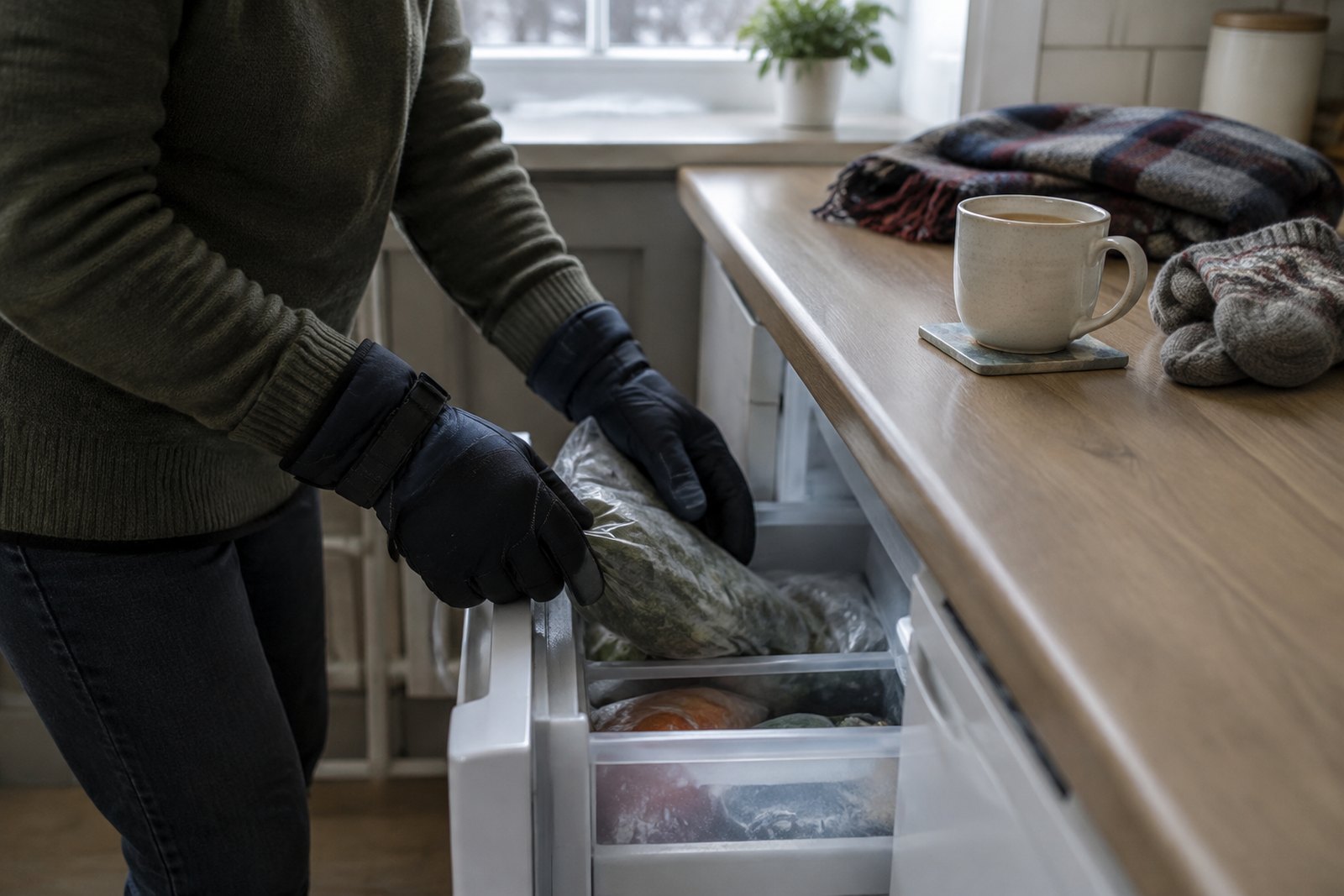
Raynaud's (Raynaud's phenomenon) is when your fingers or toes overreact to cold or stress. Blood vessels tighten, less blood gets through, and an attack can start: the skin often turns white, then blue, then red as it warms up again. It can feel numb, tingly, painful, or just weirdly clumsy.
You cannot always stop Raynaud's completely, but you can usually reduce how often it happens and how severe it feels. The most effective day to day approach is boring but real: keep your whole body warm (not just your hands), avoid sudden temperature changes, warm up slowly, and deal with triggers like smoking and vibrating tools. It is also worth seeing a GP, especially if symptoms start later in life or seem severe, because Raynaud's can sometimes be linked to other conditions that need checking.
What Raynaud's is and what an attack feels like
During a Raynaud's attack, small blood vessels in the hands or feet constrict more than they need to. The result is reduced blood flow to the skin.
A classic attack often looks and feels like this:
- White: one or more fingers or toes go pale or white because blood flow drops.
- Blue: they may turn blue or purple as the tissues are short of oxygen.
- Red: as circulation returns, they can throb, burn, sting, or feel swollen and sore.
Not everyone gets all three colour changes, and in darker skin tones it may be more obvious in the nailbeds or by temperature differences rather than colour.
Primary and secondary Raynaud's
Raynaud's is often described as:
- Primary Raynaud's: Raynaud's on its own, without another underlying condition. It is common and often starts in teens or early adulthood.
- Secondary Raynaud's: Raynaud's linked to another issue, for example some autoimmune or connective tissue conditions, or exposure to vibration from tools. This type is more likely to need medical investigation to look for an underlying cause.
You cannot tell which type you have just by looking at your hands. If Raynaud's is new, worsening, painful, or comes with other symptoms, make a GP appointment.
Common triggers and why attacks happen
Most people notice patterns. The most common triggers are:
- Cold air or cold objects: outdoor cold, chilled food, frozen packaging, a cold steering wheel, holding a cold drink.
- Sudden temperature change: stepping out of a warm car into winter air, walking from a heated shop into the street, or taking hands out of washing up water.
- Stress and adrenaline: rushing, anxiety, arguments, being startled.
- Smoking or nicotine: nicotine narrows blood vessels and can make attacks more likely and more severe.
- Vibration: repeated use of vibrating tools can irritate blood vessels and nerves in the hands (this overlaps with hand arm vibration problems).
One frustrating thing about Raynaud's is that the trigger does not have to be dramatic. A small drop in temperature, or grabbing something from the freezer for ten seconds, can be enough.
What to do during an attack (and what to avoid)
The goal is to raise your temperature gradually and encourage blood flow back without damaging skin that may be numb.
Step by step: getting through an attack
- Get out of the cold if you can. Close windows, move away from a draught, or go indoors.
- Warm your core first: put on a jumper, wrap in a blanket, drink a warm drink. When your body is cold, it protects the centre of you and sacrifices fingers and toes.
- Warm hands or feet slowly: put on gloves or socks, tuck hands into armpits, or place them against your warm stomach under clothing.
- Move gently: open and close your hands, wiggle toes, swing arms in small circles, or march on the spot. Movement can help circulation return.
- Use calm breathing: a couple of minutes of slow breathing can reduce the stress spike that keeps an attack going.
Avoid these common mistakes
- Do not use very hot water or hold hands and feet directly against intense heat. If your skin is numb you can burn yourself without realising.
- Do not rub hard. Vigorous rubbing can damage delicate skin, especially if attacks are frequent.
- Do not ignore broken skin. Cracks, sores, or ulcers need attention because healing can be slower when circulation is poor.
If attacks are frequent, it can help to keep a simple note for a couple of weeks: what triggered it, how long it lasted, what helped. That information is useful for your GP and for choosing practical changes.
Keeping hands and feet warm day to day
Raynaud's gloves, socks, and gadgets can help, but the biggest wins usually come from a whole body plan that you can actually stick to.
Start with your core (it matters more than you think)
If your core temperature drops, your body will reduce blood flow to hands and feet faster. Try:
- Layers rather than one thick item: a base layer, a mid layer, and a warm outer layer traps air and is easier to adjust.
- Keep your neck and head warm: a hat and scarf can make a surprising difference to hands.
- Warm up before you go out: if you leave home already chilly, you will be fighting a losing battle.
- Plan your heating: a short pre warm of the kitchen or bathroom can prevent repeated attacks during morning routines.
Hands: gloves, liners, and making cold objects less of a problem
People often search for "Raynaud's gloves" because standard gloves do not cut it. What tends to work better is:
- Two layers: a thin liner glove under a warmer outer glove or mitten. Liners also make it easier to do fiddly tasks without bare skin exposure.
- Mitt style warmth: mittens often keep fingers warmer than separated gloves because fingers warm each other. Some people prefer a mitten top with a fold back section for short tasks.
- Insulated or heated options: some people do well with battery heated gloves or insoles, but they need sensible temperature settings and careful use if you have reduced sensation.
- Carry a backup: keep a spare pair of dry gloves in your bag. Damp gloves get cold fast.
Also think about when you need protection. Many attacks happen at home from quick contact with cold: taking milk out of the fridge, holding a chilled drink, cleaning with cold water, or carrying bins outside. Having gloves where you need them, rather than in a drawer upstairs, is often the change that sticks.
Feet: socks, footwear, and avoiding pressure points
Cold feet can be harder to manage because shoes limit what you can wear. Helpful principles include:
- Warm socks, not tight socks: tight elastic can restrict circulation and make symptoms worse.
- Roomy footwear: if shoes are snug, you cannot trap warm air and your toes cool quickly.
- Dry matters: if you sweat, you cool down. A breathable sock layer with a warmer outer layer can help.
- Think about floors: slippers with a thicker sole, rugs in key areas, and avoiding standing on cold tiles can reduce daily triggers.
If your toes change colour, become painful, or you notice sores, speak to a GP. Foot problems deserve a careful look, especially if you also have diabetes or circulation issues.
Practical tips for everyday tasks (when cold hands get in the way)
Raynaud's is not only about comfort. It can make ordinary tasks slower, riskier, and more tiring. These are realistic tweaks that many people use.
Kitchen and food prep
- Freezer and fridge jobs: keep a dedicated pair of warm gloves near the freezer. You only need seconds of protection to prevent a full attack.
- Hot drinks without burning yourself: use an insulated mug or a cup with a handle you can grip without pain. If you struggle with grip or twisting lids, an occupational therapist may suggest different cup shapes.
- Jar and bottle lids: cold, stiff fingers make lid opening miserable. A non slip mat and a jar opener can reduce strain. See kettle tippers and jar openers for the types that can help and the common mistakes (like using too much force and flaring pain).
- Batch tasks to reduce cold exposure: get everything you need from the fridge in one go, then shut the door, rather than repeated trips.
- Use warm water for washing up: lukewarm to warm is often enough. Very hot water is not a good idea if you cannot feel temperature properly during or after an attack.
Washing, bathing, and getting dressed
- Warm the room briefly: a cold bathroom is a reliable trigger. Even a short pre warm can reduce attacks.
- Have warm items ready: a towel, socks, slippers, and a dressing gown within reach, so you are not dripping and cold while searching.
- Choose fastenings wisely: buttons, tiny zips, and stiff bra hooks are harder with numb fingers. On bad days, prioritise simpler fastenings and looser clothing.
- Dry and moisturise cracks: if your skin splits in winter, it becomes painful and more vulnerable. If cracks or sores are not healing, speak to a pharmacist or GP.
Out and about: shopping, keys, and cold handles
- Keep gloves accessible: in your coat pocket, not at the bottom of a bag.
- Use a wrist strap or cross body bag: it reduces the need to grip tightly when your hands are sore.
- Think about metal: metal trolley handles and railings feel colder. A glove liner can be enough to stop that instant trigger.
- Plan warm stops: if you know the walk back will be cold, build in a warm place on the way if possible.
Phones, computers, and hobbies
Raynaud's can make typing, scrolling, sewing, knitting, or DIY much harder. Options include:
- Fingerless gloves or liners indoors if you need dexterity but your hands cool quickly.
- Warm up breaks: two minutes of movement and warmth before your fingers go numb is more effective than waiting until you have lost feeling.
- Change the setup: a colder home office tends to trigger attacks. A small heater near your legs (not blowing directly on numb skin) can help overall warmth.
If hand pain, stiffness, or weakness is also part of the picture, you may find advice on joint protection and reducing strain helpful, even if you do not have arthritis. See arthritis and your hands: joint protection every day for practical ways to use less force and fewer awkward grips.
Work adjustments for cold environments and vibrating tools
If Raynaud's affects your work, it is worth talking about it early. People often try to push through until they are having daily attacks, dropping tools, or struggling with pain. By then, workarounds are harder.
If your workplace is cold
- Ask for warmth where it matters: a warmer workstation area, fewer draughts, or permission to wear extra layers and gloves when safe.
- Build in warm up breaks: short regular breaks to move and warm hands can prevent longer attacks.
- Look at task timing: can outdoor tasks be done later in the day when temperatures are higher?
If you need a framework for the conversation, see reasonable adjustments at work. It explains how to describe the problem in practical terms and suggest changes that help you do your job.
If you use vibrating tools
Vibration exposure can make hand symptoms worse and may contribute to conditions that overlap with Raynaud's. If you use tools that vibrate (at work or for regular DIY), speak to your employer or occupational health. It may be possible to change tasks, reduce exposure time, choose lower vibration tools, and improve tool maintenance, in line with HSE guidance. Do not rely on anti vibration gloves as a way to control vibration exposure.
If you are self employed, this still matters. It is worth getting advice from your GP if symptoms are increasing, because a medical record can support changes to how you work.
Lifestyle changes that can reduce attacks
Some changes are not exciting, but they are often the difference between Raynaud's being occasional and Raynaud's running your day.
Stop smoking (or cut down and get support)
Nicotine constricts blood vessels. For many people with Raynaud's, smoking makes attacks more frequent and more severe. If stopping feels impossible, ask for help rather than relying on willpower. Your GP practice and local stop smoking services can support you.
Manage stress spikes
Stress is not the cause of Raynaud's, but it can trigger attacks. Practical options include:
- Plan transitions: give yourself an extra five minutes so you are not rushing out into the cold.
- Use a simple "warm up routine": a warm drink, a few minutes of movement, then gloves on.
- Notice your early warning signs: some people feel tingling or stiffness before colour changes. That is your cue to warm up sooner.
Ask about medical treatment if needed
Some people manage Raynaud's with warmth strategies alone. Others need medication, especially if attacks are frequent, painful, or causing skin problems. A GP can advise and may prescribe treatments that improve blood flow. Do not start or stop medication based on internet advice, because what is appropriate depends on your health history and other medicines.
When to see a GP (and when to get urgent help)
Make a GP appointment if Raynaud's is new, worsening, or affecting your daily life. It is especially important to get checked if any of the following apply:
- Symptoms are only on one side or affect one hand much more than the other.
- Raynaud's starts after age 30, or it suddenly becomes much worse.
- You have other symptoms such as persistent joint pain, swollen joints, rashes, skin thickening, mouth ulcers, severe dry eyes or mouth, or unexplained fatigue.
- You get sores, cracks, or ulcers on fingertips or toes, or you notice changes around the nails.
Seek urgent medical advice (NHS 111 or an urgent GP appointment) if you have a sore or ulcer that is not healing, signs of infection (increasing redness, heat, swelling, pus), or severe pain in a finger or toe. If a finger or toe becomes very dark, blistered, or you are worried about tissue damage, treat it as urgent.
Some people with conditions such as scleroderma have Raynaud's as part of a wider picture. Specialist charities such as Scleroderma and Raynaud's UK can be helpful for information and support, but medical assessment still starts with your GP.
Where an occupational therapist fits
Raynaud's is often described as a circulation problem, so people assume an occupational therapist will not be relevant. In practice, Raynaud's affects how you do everyday activities, and that is exactly where occupational therapy fits.
A private occupational therapist visiting at home can help you:
- Work out which tasks trigger attacks and redesign them so your hands and feet stay warmer.
- Choose hand friendly tools and techniques so you can open containers, cook, wash, dress, and manage hobbies with less force and less cold exposure.
- Set up your home so key items are within easy reach and warm options are in the right places (for example gloves by the freezer, slippers where you actually sit).
- Reduce pain and protect your hands if you are also dealing with arthritis, tendon problems, or general hand weakness.
If you want to understand the types of aids that can make daily tasks easier, read occupational therapy equipment for daily living. If you are unsure what happens on a visit, what an occupational therapist does on a home visit explains it in plain English.
An occupational therapist does not diagnose Raynaud's or prescribe medication. If the main issue is circulation, ulcers, or possible autoimmune disease, your GP and hospital specialists lead. If the main issue is hand strength and movement after injury, a physiotherapist or hand therapist may lead, often alongside OT input for day to day function.
Frequently asked questions
Is Raynaud's dangerous?
For many people, Raynaud's is more disruptive than dangerous. However, if you are getting sores or ulcers on fingers or toes, or if attacks are severe and painful, it needs medical assessment. Secondary Raynaud's (linked to another condition) can be more serious, so it is worth getting checked rather than assuming it is "just cold hands".
What are the best Raynaud's gloves?
The best gloves are the ones you will wear consistently and that keep your hands warm enough without making you drop things. Many people do well with a thin liner glove plus a warmer outer glove or mitten. If you need dexterity, consider gloves designed for warmth without bulk, or use mittens for outdoors and liners for short tasks.
Can I warm my hands quickly in hot water?
It is safer to warm hands slowly. Very hot water can burn numb skin, and sudden heat can be uncomfortable when circulation returns. Use warm water, warm clothing layers, and gentle movement instead. If you use any heated item, keep temperatures low and check your skin often.
Does Raynaud's only affect fingers?
No. Toes are common, and some people notice it in ears, nose, or nipples. The same principles apply: keep your core warm, reduce sudden temperature changes, and warm up gradually when symptoms start.
How do I know if it is Raynaud's or poor circulation?
Raynaud's tends to come and go in attacks and is often triggered by cold or stress, with clear colour and sensation changes. Ongoing pain in the legs when walking, persistent coldness in one limb, or non healing wounds can suggest other circulation problems and should be checked by a GP promptly.
Can an occupational therapist help with Raynaud's at work?
Yes, especially if the problem is that cold hands are stopping you doing tasks safely or comfortably. An OT can help you describe the impact in practical terms, suggest realistic adjustments, and problem solve equipment and routines. If vibration is part of your job, you may also need input from occupational health and your employer's health and safety team.
Next steps
If Raynaud's is making daily life harder, an occupational therapist can help you find practical ways to stay warm and keep doing the things you need to do at home and work. See our home assessment page, or current guide prices, and choose your area below.
Talk to an occupational therapist near you
This guide is general information. For advice about your own situation - or someone you look after - a local occupational therapist can visit you at home and see it for themselves.
Choose your area: