Home Occupational Therapy in Derbyshire: What to Expect (and What Not to Worry About)
By Mobile Occupational Therapist • 27 August 2026 • 6 min read
Local Occupational Therapist -
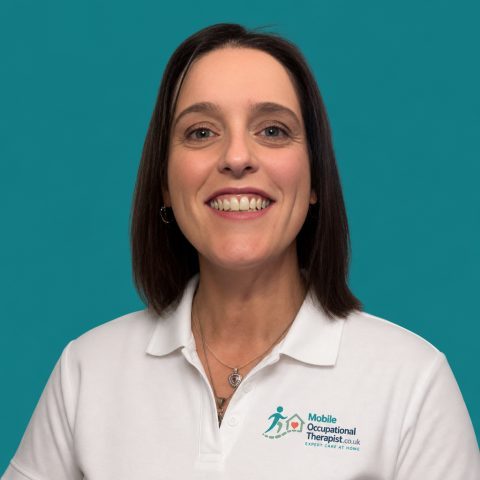
Wendy Perry, Derbyshire
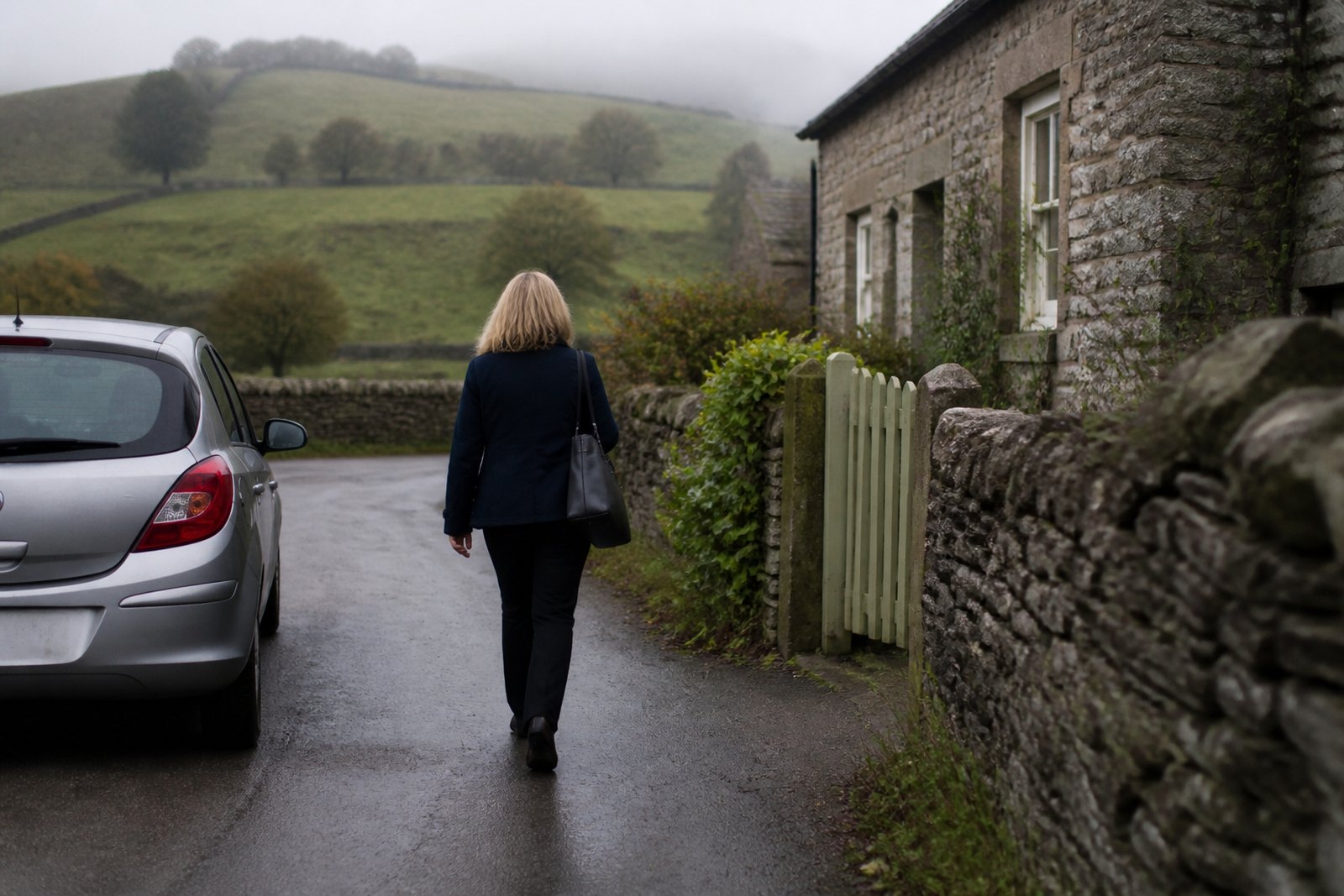
If a home visit from an occupational therapist has been suggested to you - or you are wondering whether to arrange one yourself - it is normal to feel a little wary. Most of us have never met an occupational therapist, and it is easy to fill the gap with guesswork. People in Derbyshire have told us they delayed getting help because they pictured an inspection, a hard sell, or a service that "isn't for people like me". None of those pictures is accurate. So rather than describe a visit step by step - our national guide to what an occupational therapist does on a home visit already does that - this post takes the most common myths in turn and explains what really happens when Wendy, the occupational therapist covering Derbyshire, comes to your door.
Myth one: it is a test you can fail
There is no pass mark and no score. An occupational therapist is not there to judge how well you are coping or to catch you out; she is there to understand how everyday life actually works for you, in the home where you actually live. That matters more in Derbyshire than almost anywhere. A walk-in shower assessment done on paper looks very different once you are standing in a stone cottage in Wirksworth with a bathroom up a winding stair, or a house in Matlock with a garden that climbs the hillside behind it. The home is the real terrain - steps at the front door, uneven flags, cold stone floors, a steep drive - and the visit exists precisely so recommendations fit that terrain rather than an imaginary flat-floored house. If something is hard for you, saying so is useful information, not an admission of defeat.
Myth two: it is a sales visit for equipment
Wendy does not sell equipment, and a visit does not end with a catalogue. Where equipment genuinely would help - a second stair rail, a perching stool, a raised toilet frame - she will say so, explain why, and point you towards sensible options; our guide to everyday living equipment covers the common items in plain English. Just as often, the recommendation is a change of technique, a rearranged room, or nothing at all in one area because you are managing fine. Clear, proportionate advice is the whole point: you should finish the visit knowing what would make a real difference, what is optional, and what you can safely ignore.
Myth three: occupational therapy is only for the very elderly
Occupational therapy helps anyone whose daily life has become harder than it should be, at any age. Wendy works with adults and with younger people living with neurological conditions, physical disabilities and long-term illnesses - someone in their thirties rebuilding routines after a stroke, a teenager moving from children's services into adult life, a farmer near Tideswell recovering from a complex injury. The questions are the same whatever your age: what do you need and want to do each day - washing, dressing, cooking, working, getting into town - and what is getting in the way? If you are new to the profession entirely, our plain English guide to occupational therapy is a good starting point.
Myth four: you need a GP referral first
You do not. Anyone can arrange a private occupational therapy visit directly - for themselves, a parent, a partner or a friend - and the first step here is a free, no-obligation phone call with Wendy to talk through what is going on. That said, occupational therapy sits alongside medical care rather than replacing it: if something about your health has changed suddenly, or you have symptoms nobody has looked at, do speak to your GP as well. The two routes work well together, and nothing about booking a private visit affects your NHS care.
Myth five: it is a one-size-fits-all checklist
There are published lists of what a visit might cover - our own home visit checklist included - but a good assessment is shaped by your life, not a form. A visit in a Derby terrace with a bus stop outside is a different visit from one in a village above Hathersage where the nearest shop is a drive away and winter changes what is possible. Wendy carries out thorough functional assessments across the activities that matter to you - mobility, personal care, household tasks - and works with you and your family on goals for daily routines, work and community life. Two people with the same diagnosis can leave with completely different plans, because they live different lives in different houses.
So what does a visit actually look like?
Expect conversation first: what a normal day looks like, what has changed, what you want back. Then expect to move around your home together - doorways, stairs, bathroom, kitchen, the route in from the car - trying things where it is safe and useful to do so. Wendy covers the whole county from Glossop and New Mills in the north to Swadlincote in the south, so the visit comes to you; there is no clinic to travel to and no need to tidy up first. Afterwards you receive clear recommendations you can act on, in writing if you need a report. You can read more about the service itself on our home assessments page.
Frequently asked questions
How long does a home visit take?
Usually between one and two hours, depending on what needs looking at. A focused question - one room, one task - takes less time than a full assessment of daily living. Wendy will give you an idea when you first speak on the phone, so you can plan the day around it.
Can family be there?
Yes, and it often helps. Family and carers see things you might not mention, and if they help you day to day, recommendations need to work for them too. Wendy routinely involves families in agreeing goals - though the visit remains yours, and your priorities lead it.
Will I be told to move house or accept care I don't want?
No. Recommendations are exactly that - recommendations. You stay in charge of every decision, and most visits are about making the home you love work better, not leaving it.
Next steps
If a home visit sounds useful, the easiest way to start is that free phone call - no referral, no obligation, just a conversation about what is going on. You can read more about Wendy's background and experience across Derbyshire on Wendy's profile, and see exactly what a visit costs on our prices page.