

Occupational Therapy Home Visit Checklist (UK)
By Mobile Occupational Therapist • 9 July 2026 • 5 min read
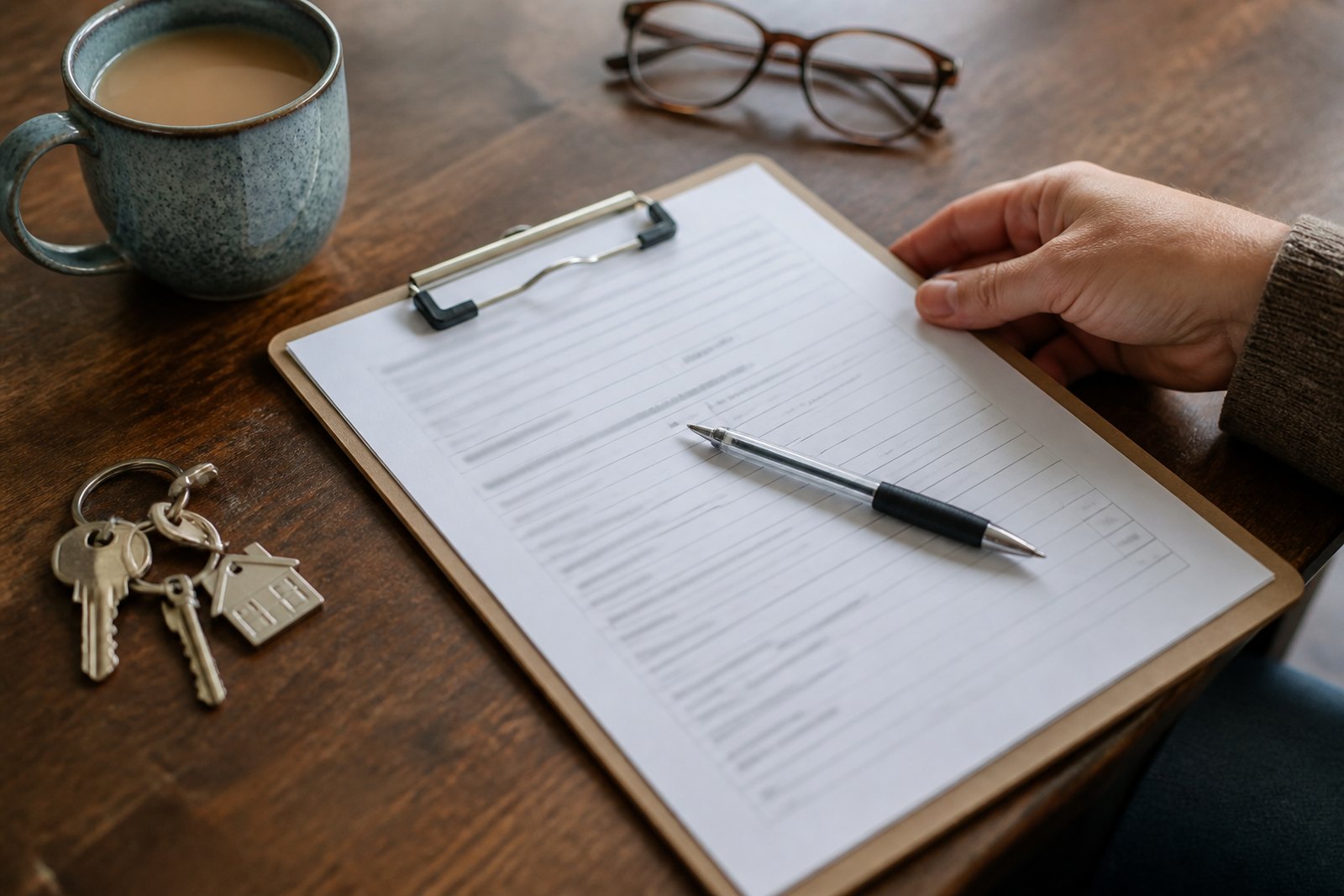
Once a home visit is booked, a common next question is simply: what should I actually do to get ready? The honest answer is "not very much" - an occupational therapist wants to see your home and your routine as they normally are, not a version tidied up for the occasion. That said, a little preparation makes the visit smoother and more useful for everyone. This checklist sets out what genuinely helps, in the order it tends to come up.
Before the visit
- Write down what prompted the visit. A fall, a hospital stay, a diagnosis, or simply a feeling that daily tasks have become harder - jotting this down beforehand means you won't forget details on the day.
- List the tasks that feel hardest right now. Getting up from a chair, managing the stairs, bathing, cooking - being specific helps your occupational therapist prioritise what to look at first.
- Gather any relevant paperwork. A hospital discharge summary, a GP letter, or a report from another professional is useful background, though not required.
- Make a short list of medications, if relevant, particularly anything affecting balance, energy or grip.
- Think about who else should be there. A family member or carer who supports you day to day can add useful context - it's entirely reasonable to have them present.
- Do not deep-clean or rearrange your home. Seeing things as they normally sit - including any clutter, loose rugs or awkward furniture placement - is genuinely useful information, not something to hide.
Access essentials
- Make sure the entrance the therapist will use is reasonably clear and, if there's a step or ramp, that it is safe to approach.
- If you have a specific entry system (buzzer, key safe, a particular door to use), let the office know in advance.
- Have any walking aids, wheelchairs or existing equipment you already use nearby, so they can be looked at as part of the visit.
Areas an OT is likely to want to see
Depending on what prompted the visit, your occupational therapist will usually want to look at some or all of the following:
- Bathroom. Getting in and out of the bath or shower, using the toilet, and general access - often the highest-priority area for both safety and dignity.
- Stairs. How you currently manage them, and whether a rail or different arrangement would help.
- Kitchen. Reach, worktop height, and how meals are actually prepared day to day.
- Bedroom. Bed height and transfers in and out of bed.
- Entrances and hallways. Steps, thresholds, lighting and clear walking routes.
A wider walk-through, alongside a conversation about your priorities, is exactly how a home assessment is meant to work - see our guide to what happens during a home visit for the full picture.
If it's a follow-up visit, not a first assessment
The checklist above is written mainly with a first assessment in mind, but a follow-up visit benefits from a slightly different kind of preparation. It helps to have any equipment that was recommended last time out and ready to be looked at, along with a note of what has and hasn't worked well since - a rail that's been genuinely useful, a piece of equipment that's sat unused because it didn't quite fit your routine, or a task that's become easier or harder since the last visit. Being specific about what's changed, rather than a general "things are about the same," helps your occupational therapist adjust their recommendations accurately.
Questions worth having ready
- "What will you actually look at today?"
- "Will you ask me to demonstrate any tasks?"
- "What will I receive after the visit, and how soon?"
- "If you recommend equipment or adaptations, how do we take that forward?"
- "Is there anything I should mention that I might not think to bring up myself?"
On the day
Most first visits take between 45 minutes and an hour and a half. Wear whatever you would normally wear at home, and expect a conversation first, before any walk-through or task observation - a good OT will not launch straight into an inspection. If a particular task is being watched, such as getting up from a chair or moving to the bathroom, it will always be at a pace that is comfortable for you; this is not a test to pass or fail.
After the visit
- Ask when you can expect a written summary, and in what form.
- If equipment is recommended, ask where to source it and whether trying it first is possible.
- If a bigger change is suggested, such as a home adaptation, ask about realistic timescales and next steps.
- Keep the written summary somewhere accessible - it is often exactly what you would share with a builder, a housing association, or a funding body later.
Frequently asked questions
Do I need to tidy the house before an OT visit?
No - in fact, seeing your home as it normally is helps your occupational therapist give more accurate, useful advice. A light tidy for comfort and access is sensible, but there's no need to present a "showroom" version of your home.
How long should I set aside for a home visit?
Most first visits take 45 minutes to an hour and a half, depending on what's being assessed. It's sensible to keep the rest of that time free rather than scheduling something immediately afterwards.
Can a family member be present during the visit?
Yes, and it's often genuinely helpful - particularly if a family member supports you day to day and can add useful context or ask questions on your behalf.
Getting started
If you're ready to arrange a visit, find your local occupational therapist via our areas we cover page, or see our prices page for current guide pricing.
Talk to an occupational therapist near you
This guide is general information. For advice about your own situation - or someone you look after - a local occupational therapist can visit you at home and see it for themselves.
Choose your area: