

ADHD in Girls and Women: Signs That Are Often Missed
By Mobile Occupational Therapist • 27 October 2026 • 13 min read
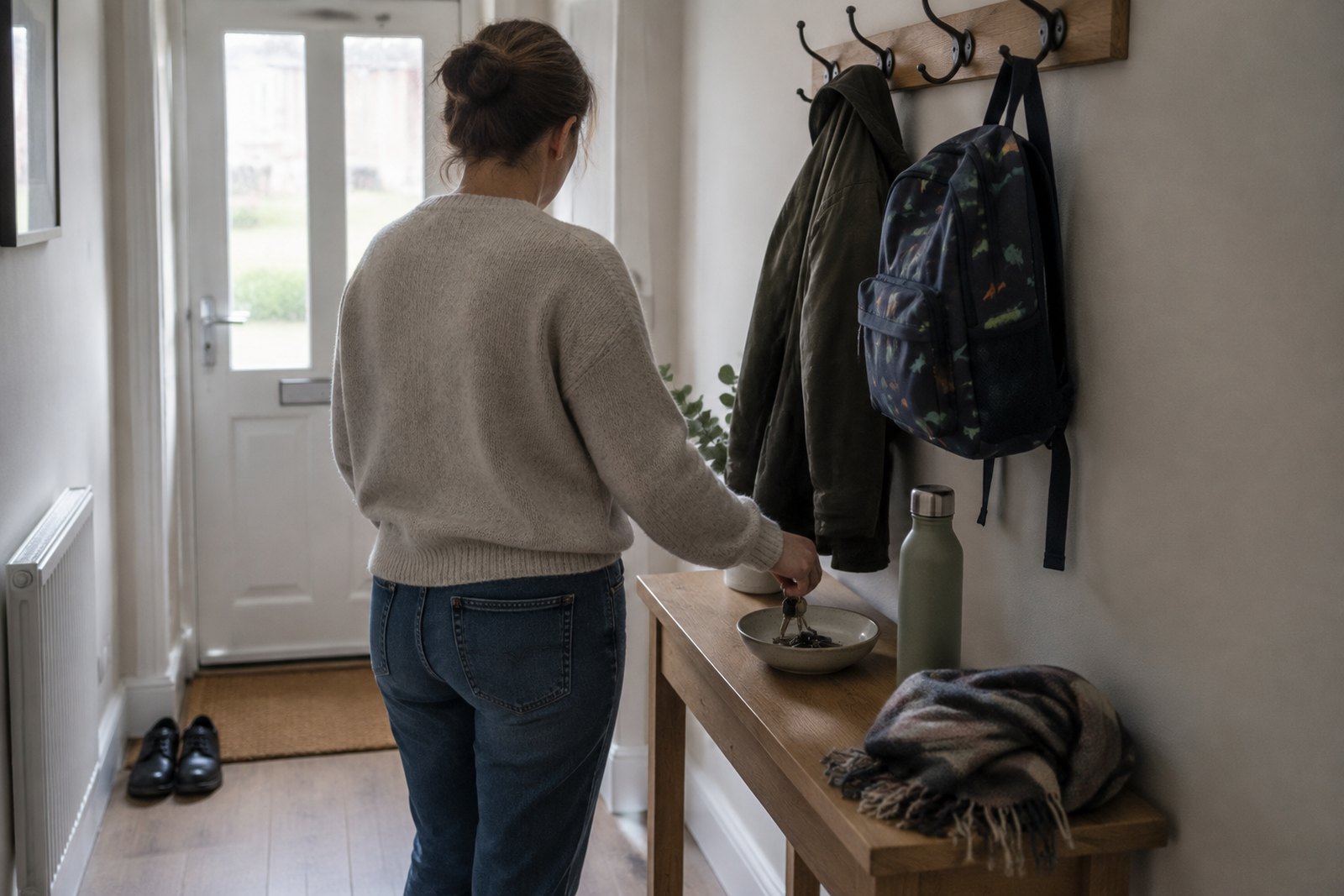
ADHD in girls is often missed because it rarely looks like the stereotype. You are less likely to see a child who cannot sit still. You are more likely to see a girl who drifts off, loses things, talks a lot, works twice as hard to keep up and then falls apart at home. Many girls learn to hide their difficulties so well that the first thing anyone notices is anxiety, low mood or exhaustion, sometimes years later.
That is why so many women are only now being diagnosed in their thirties, forties and fifties, often after one of their own children is assessed. Perhaps something about your daughter, or yourself, has never quite added up. This guide covers the signs at each age, how to get assessed in the UK, and practical things that help at home, school and work while you wait.
Why ADHD in girls is so often missed
ADHD (attention deficit hyperactivity disorder) affects attention, activity levels and impulse control. It is the same condition in boys and girls. But the way it shows up, and the way adults react to it, can be very different.
Inattention is quiet
Many girls with ADHD mainly struggle with attention. They are not disrupting the class. They are looking out of the window, missing half the instructions, starting work late and finishing it in a panic. A child who is quiet and polite tends not to get referred, however much she is struggling inside.
Hyperactivity can be there too, but it is often less obvious. It might be constant talking, fiddling, picking at skin or nails, restless legs, interrupting, or a mind that never switches off even when the body is still.
Masking
Masking means hiding or making up for difficulties in order to fit in. A girl might copy her friends because she missed the instruction. She might stay up late to finish homework that took everyone else an hour. She might become a perfectionist because she is terrified of being caught out. It works, for a while. It is also exhausting, and the cost often lands at home, where she finally lets go.
Anxiety and low mood get noticed first
Years of feeling disorganised, "lazy" or different take a toll. Many girls and women first come to the attention of a GP or school because of anxiety, low mood, eating difficulties, self-harm or burnout. Those problems are real and need help in their own right. But if nobody asks what sits underneath, the ADHD can go unrecognised for decades.
Signs of ADHD in girls at different ages
No single sign means ADHD, and plenty of children without it show some of these. What matters is a pattern that has been there since childhood, shows up in more than one place, and genuinely gets in the way of daily life.
Primary school age
- Daydreaming, often described as a lovely but dreamy child
- Losing jumpers, water bottles, reading books and letters home, again and again
- Very chatty, interrupting, struggling to wait her turn
- Slow to get dressed or out of the door, easily sidetracked halfway through a task
- Big emotions, tears or meltdowns after school, having held it together all day
- Friendships that are intense, then fall apart
- An untidy bedroom and school bag, even when she is trying
Teenage years
Secondary school often brings things to the surface. There are more teachers, more homework, more to remember and less adult structure. You might notice:
- Falling behind with homework or coursework, or doing it all the night before
- Forgetting the timetable, kit and deadlines despite real effort
- Feeling overwhelmed, anxious or low, and calling herself stupid or a failure
- Impulsive decisions or risk-taking, including online and in friendships
- Poor sleep, a racing mind at night and real difficulty getting up
- Being very sensitive to criticism, with rejection feeling unbearable
Adult women
- A constant sense of running to catch up, despite working harder than everyone else
- Paperwork, bills and appointments piling up, with late fees and unopened letters
- Starting many projects and finishing few
- Poor sense of time: always late, or hugely early because you do not trust yourself
- Coping at work and collapsing at home, or the reverse
- Struggling far more after having children, when the mental load of a household lands on top of everything else
- A history of treatment for anxiety or depression that helped a bit but never explained everything
If several of these sound familiar, write down specific examples, from now and from childhood. Old school reports are useful if you still have them. A specialist will want to see the pattern over time, not just how things are this month.
Hormones and ADHD
Many women notice their ADHD symptoms change with hormonal shifts. Times people commonly describe things getting harder include puberty, the days before a period, pregnancy and the months after birth, and perimenopause and menopause. Some women are first assessed in midlife because coping strategies that worked for years suddenly stop working.
The research here is still developing, so be wary of anyone offering certainty. What is useful is tracking it yourself. For a couple of months, note your focus, mood, sleep and energy alongside your cycle or menopause symptoms. That gives your GP or specialist something concrete to work with. If perimenopause is part of the picture, raise those symptoms with your GP too, as they deserve attention in their own right.
How to get an ADHD assessment in the UK
ADHD is diagnosed by a specialist, usually a psychiatrist, paediatrician or another professional with specific training in ADHD. A GP cannot diagnose it, and neither can a teacher or an occupational therapist. The usual route starts with your GP.
For a child
Speak to the school first, ideally the class teacher and the SENCO (special educational needs co-ordinator), and ask what they see. Then book a GP appointment. Bring specific examples, what the school has said, and anything relevant from early childhood. Depending on how your area organises things, the GP may refer to a community paediatrician or to child and adolescent mental health services (CAMHS). In some areas the school can refer too.
For an adult
Book a GP appointment and say clearly that you would like to be assessed for ADHD. Explain how it affects your work, home, relationships and wellbeing, and bring examples, including from childhood. Some GPs will ask you to fill in a short screening questionnaire first. If they agree, they refer you to an adult ADHD service.
Waiting times and the right to choose
Waits for NHS ADHD assessments are long in many areas, for both children and adults. In England, if your GP agrees to refer you, you usually have a legal right to choose which NHS-funded provider carries out the assessment, which can sometimes mean a shorter wait. Ask your GP about it and check the NHS website for current guidance. The rules are different in Scotland, Wales and Northern Ireland.
Some people pay for a private assessment. If you are considering it, ask your GP first whether they would accept the diagnosis and work with the private clinic on any treatment (often called shared care), because practice varies.
Any medication is something to be discussed with a specialist after diagnosis, alongside other support. It is not something to plan or adjust on your own.
If things feel urgent
Do not wait for an ADHD assessment if you or your daughter are in crisis. If there are thoughts of suicide or self-harm, or mood has dropped badly, contact your GP urgently or call NHS 111. If someone's life is at risk, call 999 or go to A&E.
Practical strategies that help at home, school and work
You do not need a diagnosis to start making daily life easier. Most of what helps works on the same principle: stop relying on a brain that finds it hard to hold things in mind, and put the information out in the world where you can see it.
Get memory out of your head
- Have one visible place for keys, bag and phone, right by the door. A bowl and a row of hooks do more than any amount of trying harder.
- Pack bags the night before and leave them in front of the door.
- Use alarms with a label, not just a beep, so you know what each one is for.
- Keep one calendar for the household, on the wall or shared on phones, not five lists in five places.
- Make picture checklists for younger children: getting dressed, packing the school bag, bedtime.
- Use open shelves or clear boxes, so things out of sight do not become out of mind.
Build routines that bend
Rigid routines tend to collapse at the first wobble and then feel like another failure. Aim for anchors instead: the same order for the morning, a fixed time for homework or paperwork, ten minutes on Sunday to look at the week ahead. Break big tasks down to the first small step only. "Write the essay" is a wall. "Open the document and type the title" is a step.
Make starting easier. Try working alongside someone else, setting a timer for 10 or 15 minutes, or pairing a dull task with music. And plan for the energy crash. Many girls and women hold it together in public and need quiet recovery time afterwards. Building that in is not lazy. It is maintenance.
Movement and sensory needs
Plenty of people with ADHD focus better when they can move. A fidget toy, a wobble cushion, standing to work, walking while on the phone, or a burst of activity before homework can all help. Some are also sensitive to noise, light, clothing or busy places, which drains attention fast. Ear defenders or noise-reducing headphones, softer lighting, comfortable clothes and a calm corner to retreat to can make a real difference after a long day.
At school
Ask for a meeting with the SENCO. The school does not need a diagnosis to make adjustments. Useful ones include instructions written down as well as spoken, homework recorded in one agreed place, a seat away from distractions, movement breaks, help with organising, and a named adult she can check in with. If needs are significant and ordinary support is not enough, you can ask about an education, health and care plan. Our guide to EHCPs and what an occupational therapy report adds explains how that works in England.
At work
ADHD can count as a disability under the Equality Act 2010 (in England, Scotland and Wales) or the Disability Discrimination Act 1995 (in Northern Ireland) if it has a substantial and long-term effect on your day-to-day life. If so, your employer has a duty to make reasonable adjustments. Common ones include written notes after meetings, a quieter desk or noise-reducing headphones, flexible start times, regular check-ins with a manager and help with prioritising. Our guide to reasonable adjustments at work covers how to ask. Access to Work, a government scheme, may also fund some support, so check eligibility on GOV.UK, or on nidirect if you live in Northern Ireland.
Where an occupational therapist fits
An occupational therapist does not diagnose ADHD and does not prescribe or manage medication. That is the role of the specialist assessment service. What an OT does is look at the practical side: how a child or adult actually gets through the day, where it breaks down, and what would make it work better.
A private occupational therapist visiting at home can:
- look at morning, after-school and evening routines and help set up systems that suit how your household actually works
- assess sensory and movement needs and suggest changes at home or school
- help with planning, organising and getting started on tasks
- look at handwriting, coordination or self-care if these are also a struggle
- for adults, look at the working day and suggest adjustments to discuss with an employer
- write a report setting out day-to-day needs, which can support conversations with school or work
This can be useful while you wait for an assessment, because it focuses on daily life rather than a label. There is more detail in our guide to occupational therapy and ADHD.
Other professionals lead elsewhere. Your GP is the starting point for referral, and for anxiety, low mood, sleep problems and hormonal symptoms. Psychologists and talking therapies help with anxiety, self-esteem and managing emotions. A speech and language therapist is the right person for difficulties with language or social communication. ADHD and autism often occur together, so if you suspect both, tell your GP so both can be considered.
Frequently asked questions
Is ADHD less common in girls than boys?
Many more boys than girls are diagnosed in childhood. It is now widely accepted that this partly reflects girls being missed rather than not having ADHD, and many women are diagnosed as adults.
Can my daughter have ADHD if she is doing well at school?
Yes. Some girls keep their grades up by working far harder than their classmates, masking all day and falling apart at home. Good marks do not rule it out. Look at the cost of keeping up, not just the results.
Is it ADHD or anxiety?
It can be both. Anxiety sometimes grows out of years of struggling with unrecognised ADHD, and the two can look similar. A specialist assessment is the way to untangle them. In the meantime, anxiety deserves help in its own right, so speak to your GP.
Can a woman be diagnosed with ADHD for the first time in her 40s or 50s?
Yes. The symptoms need to have been present since childhood, even if nobody named them, which is why examples from your school years help. Many women seek assessment in midlife, sometimes when hormonal changes make coping harder.
Do I need a diagnosis to get help at school or work?
No. Schools can make adjustments based on need, and employers can make adjustments without a formal diagnosis. A diagnosis can strengthen your case, but you do not have to wait for one to ask.
Can an occupational therapist diagnose ADHD?
No. Diagnosis is made by a specialist such as a psychiatrist or paediatrician. An occupational therapist helps with the practical effects on daily life, and their report can sit alongside a diagnosis or support you while you wait.
Next steps
If daily life is the sticking point, see our children's occupational therapy or work and ergonomics pages, or current guide prices, and choose your area below.

Talk to an occupational therapist near you
This guide is general information. For advice about your own situation - or someone you look after - a local occupational therapist can visit you at home and see it for themselves.
Choose your area: