

When a Parent Refuses Help at Home
By Mobile Occupational Therapist • 17 September 2026 • 7 min read
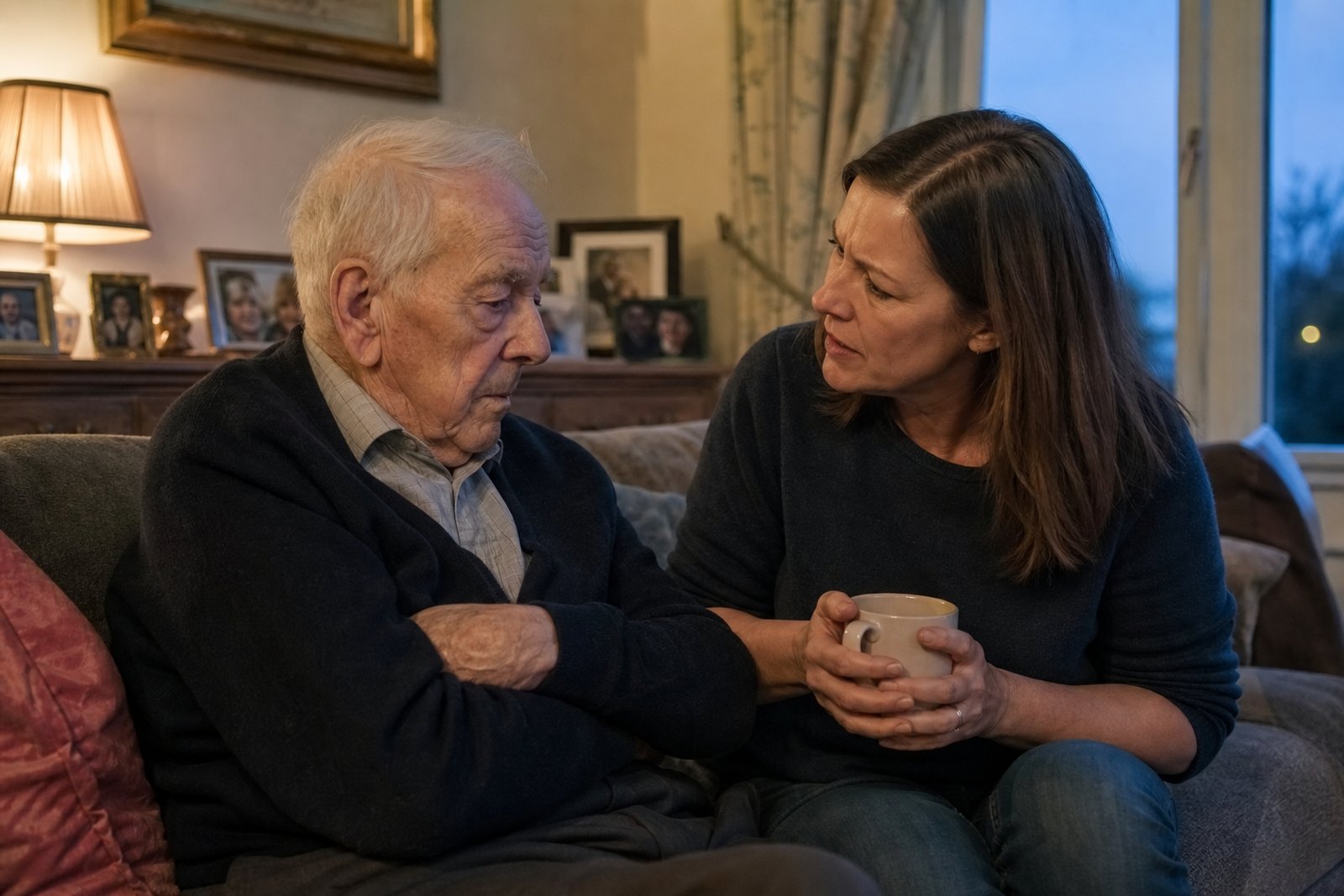
You have seen the near-misses. The bruise nobody mentions, the stairs taken sideways, the freezer full of meals that are not being eaten. You suggest a cleaner, a rail, a visit from someone - and the answer is no. Firm, sometimes cross, always final: "I am perfectly fine." Few situations are more common in family life, and few are more painful, because both people are usually right at once - the risks are real, and so is their right to run their own life. This guide is about what actually helps, what makes things worse, and where you stand when the answer stays no.
One principle underpins all of it, and it is worth accepting early because it changes your whole approach: an adult with the mental capacity to make a decision is entitled to make one you think is wrong. That is not a loophole in the system - it is the system, and it protects your parent's independence today exactly as it will protect yours later. The productive question is therefore not "how do I make them accept help?" but "what is the refusal about, and what would they say yes to?"
What refusal is usually about
"I don't need help" is rarely the whole sentence. Listen for what sits underneath, because each version has a different answer.
- Identity: accepting help means admitting to being someone who needs it. For a person who raised children and ran a household, that admission can feel like the beginning of the end. The refusal is defending who they are, not disputing the facts.
- Fear of the thin end of the wedge: many older people privately believe that accepting a carer is step one towards a care home. Refusing everything feels like holding the line. Saying plainly that the goal is to keep them at home - and that the help is what makes that possible - directly answers the real fear.
- Privacy and strangers: a stranger in the house, touching their things, seeing them undressed - for some people this is genuinely worse than struggling.
- Money: a generation raised on thrift may refuse help because of what it costs, while never saying so. Knowing what actually exists - free equipment loans, benefits such as Attendance Allowance, council support - can dissolve this one; our plain-English guide to Attendance Allowance is a good place to start.
- Not seeing what you see: sometimes the difference is genuine perception - and occasionally that gap has a medical cause, such as memory changes, which shifts the conversation. If you suspect that, a GP appointment matters more than any of this guide.
What works better than arguing
- Small, specific and reversible beats big and permanent. "A rail by the back step" is accepted where "we need to talk about your future" never will be. Every accepted small thing normalises the next one.
- Frame help as serving their goal, not yours. Find out what they most want to keep doing - the garden, the church, the grandchildren's visits - and attach every suggestion to it. Help that protects independence is a different product from help that announces decline.
- Offer choices, not verdicts. "Would you rather have the shower rail or the bath board?" keeps them the decision-maker. Being decided about is half of what is being refused.
- Pick the messenger carefully. Many people accept from a professional, an old friend or one particular child what they will not accept from the family member who worries loudest. A GP saying "I'd like an occupational therapist to look at those stairs" lands differently from a daughter saying it - and an OT visit itself is often the most acceptable first step, because it is an assessment by a professional, not a carer through the door. Our guide to NHS and private occupational therapy explains the routes in.
- Let go of winning today. Plant the idea, drop it, return to it later. Minds change between conversations, not during them - and after a wobble or a near-miss, the suggestion that was refused in spring is often accepted in autumn. Keep the door open rather than the pressure on.
If the worry is falls specifically
Falls deserve their own mention because they are the most common trigger for this whole situation - and because fear works both ways. A parent who has fallen may be refusing help while quietly restricting their own life, doing less and less to avoid risk, which makes the next fall more likely, not less. If that pattern sounds familiar, our guide to rebuilding confidence after a fall describes it from the inside. Practical safety changes - rails, lighting, footwear - are also among the easiest first "yeses" to get, because they involve no stranger and no ongoing presence; our guide to practical falls prevention at home is written to be shared.
Where you stand, and the safety nets
It helps to know the framework, because it tells you what is and is not yours to carry.
- They can refuse; you can still prepare. You cannot force an assessment on a person with capacity, but you can learn what exists - a Care Act needs assessment, equipment loans, local services - so that the day the answer becomes "all right, then", things move fast. Readiness is not going behind their back.
- You count too. If you are propping up the situation - shopping, checking, worrying, doing more each month - you are a carer, whether or not anyone uses the word, and you are entitled to a carer's assessment in your own right. Support for you does not require their consent.
- Capacity is decision-specific. If memory or reasoning changes mean your parent may no longer understand the decision they are refusing - not just choosing differently from you, but unable to weigh it - that is when to involve the GP and adult social care, who have proper processes for exactly this. It is a different situation from stubbornness and is handled differently.
- If there is real and immediate danger, contact adult social care and ask for a safeguarding conversation. That is what it is for, and raising a concern is not betrayal.
Who this guide is for
- Adult children watching risks accumulate against a wall of "I'm fine"
- Families falling out over how hard to push - the disagreement itself is usually a sign to change approach, not volume
- Anyone quietly doing more each month to keep a parent's "independence" afloat
- People trying to work out whether this is stubbornness, fear, or something that needs a doctor
Frequently asked questions
What can I do if my elderly parent refuses help?
Start by working out what the refusal is really about - identity, fear of care homes, strangers, money - because each has a different answer. Then go small: one specific, reversible change tied to something they want to keep doing, offered as their choice, ideally via a messenger they accept, such as their GP or an occupational therapist. Prepare in the background so that a later "yes" can move quickly, and get a carer's assessment for yourself, which needs no consent from them.
Can social services force help on an elderly person?
Not if the person has the mental capacity to make the decision - an adult with capacity is entitled to refuse assessments, care and equipment, even where that seems unwise. If there is reason to think capacity is lacking for that decision, or the person is at serious risk, adult social care and the GP have formal routes for assessing and safeguarding, which is exactly when to involve them.
Why do elderly parents refuse care?
Rarely out of pure stubbornness. Common reasons are protecting their identity as a capable adult, fear that accepting help leads to a care home, discomfort with strangers in the house, worry about money, and sometimes genuinely not perceiving the difficulties others see - which can occasionally itself be a sign of memory changes worth raising with a GP. Understanding which one you are dealing with is the first step to an answer.
Next steps
An occupational therapy home visit is often the first form of help a reluctant parent will accept - a professional assessment focused on keeping them independent at home, not a carer through the door. Find your local occupational therapist via our areas we cover page, or see our prices page for current guide pricing.
Talk to an occupational therapist near you
This guide is general information. For advice about your own situation - or someone you look after - a local occupational therapist can visit you at home and see it for themselves.
Choose your area: