
Falls at Home: Practical Prevention Beyond Exercise
By Mobile Occupational Therapist • 14 August 2026 • 5 min read
Falls prevention advice often focuses heavily on strength and balance exercise, and that focus is genuinely well-earned - physical strength and balance training makes a real difference. But it's only part of the picture. Occupational therapy brings a complementary angle: the home environment, the equipment used every day, daily routines, and even footwear, all of which affect fall risk just as much as physical strength does.
Why the environment matters as much as strength
A person with excellent balance can still fall over a trailing cable in poor lighting; someone with reduced strength can go months without a fall if their home is genuinely well set up for how they move around it. Occupational therapy's contribution to falls prevention is looking specifically at the interaction between a person and their actual environment - not treating the body in isolation from the home it has to function within.
Common environmental risk factors
- Loose rugs and mats, particularly on hard flooring, are one of the most common and easily fixed trip hazards
- Trailing cables across walked routes, especially near chairs, beds and desks
- Poor lighting, particularly on stairs, in hallways, and for night-time trips to the bathroom
- Cluttered walking routes, including furniture placed too close together
- Uneven or slippery flooring, including thresholds between rooms with different flooring types
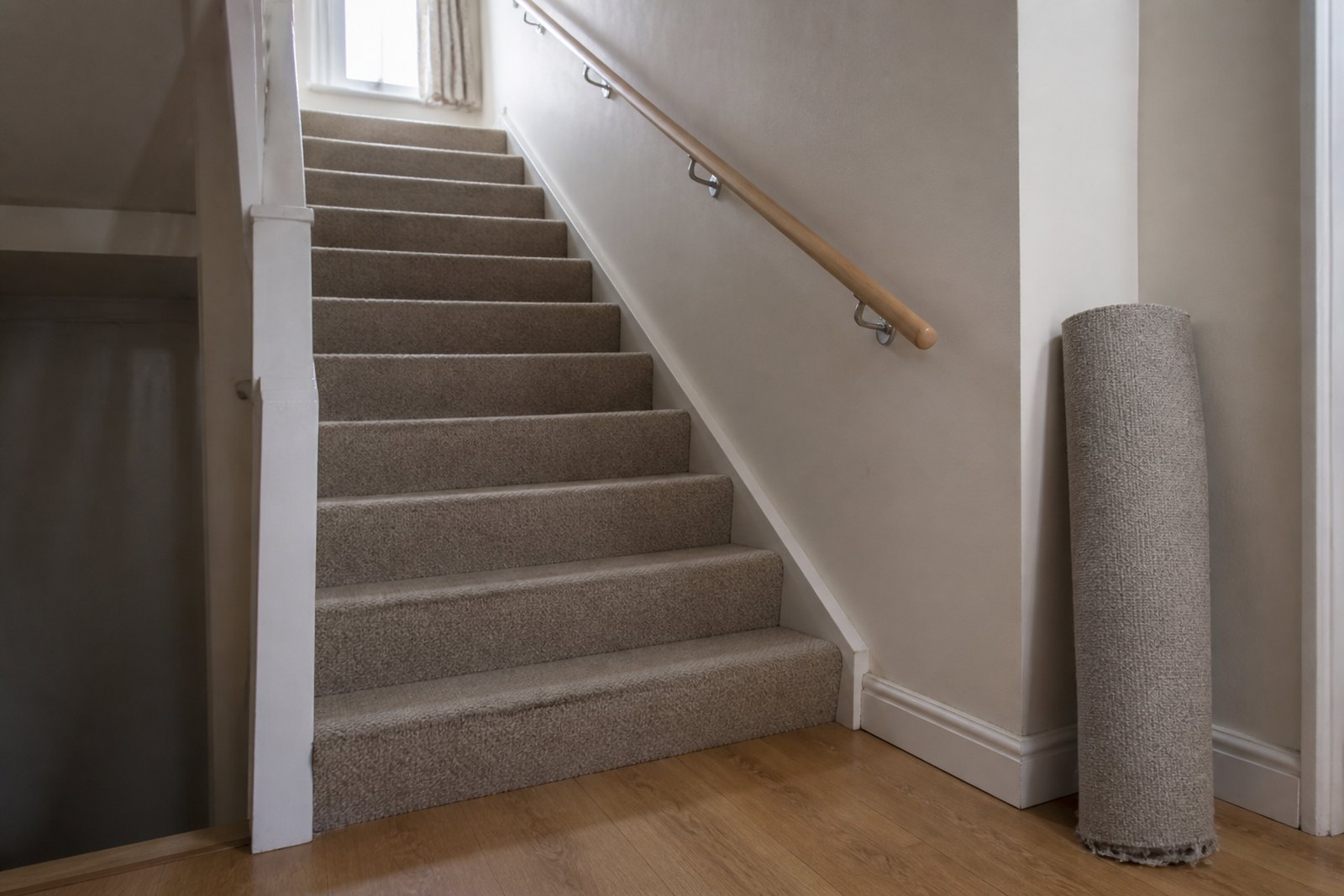
- Steps without a clearly visible edge, particularly where lighting or colour contrast is poor
Equipment that reduces fall risk
Beyond the environment itself, correctly fitted equipment plays a real role. This includes well-positioned bathroom grab rails, a chair at the right height to stand from safely (see our guide to choosing the right chair), and a correctly fitted walking aid - see our guide to walking frames, sticks and wheeled walkers. Poorly fitted equipment, or equipment used with the wrong technique, can increase risk rather than reduce it, which is why professional fitting matters.
Footwear: an underrated factor
Footwear is one of the most commonly overlooked contributors to fall risk. Slippers with poor grip or no back support, socks alone on hard flooring, or shoes that don't fit properly can all meaningfully increase risk, even in an otherwise well set-up home. A supportive, well-fitted shoe or slipper with a non-slip sole, worn consistently - including for short trips around the house - is a simple, low-cost change that genuinely helps.
Daily routines and timing
Fall risk isn't constant throughout the day. Common higher-risk moments include:
- Getting up at night, when the body is less alert and lighting is often poor
- Standing up too quickly, particularly for anyone prone to light-headedness on standing
- Rushing, for example to answer the phone or door
- Being more fatigued than usual, whether from illness, poor sleep, or overexertion earlier in the day
Simple routine changes - pausing briefly before standing, keeping a light and phone within reach of the bed, and not rushing to answer the door - cost nothing and can make a genuine difference.
Assistive technology as a safety net
Personal alarms and fall-detection technology don't prevent a fall, but they can significantly reduce how long someone remains on the floor afterwards, which matters considerably for both physical and psychological recovery. See our guide to assistive technology at home for more on this.
Confidence after a previous fall or near-miss
A previous fall, or even a near-miss, can understandably knock confidence, sometimes leading someone to reduce activity out of fear of falling again - which can, paradoxically, increase risk over time by reducing strength and confidence further. Occupational therapy can help rebuild confidence through a combination of practical environmental changes, appropriate equipment, and a graded return to activity, rather than either ignoring the fear or letting it drive avoidance.
Outdoor and away-from-home considerations
Falls prevention doesn't stop at the front door. Uneven pavements, poor lighting outdoors, and the transition between different surfaces - a doorstep, a kerb, a gravel path - all carry their own risk, and it's worth thinking through the specific outdoor routes you use most, whether that's to the bins, the car, or a local shop. A stick or frame that works well indoors may need a different technique, or additional care, on uneven outdoor ground, and it's worth asking your therapist specifically about this if outdoor mobility is a concern.
How this fits with exercise-based falls prevention
None of this replaces strength and balance exercise, which remains a genuinely important part of reducing fall risk and is often best delivered through physiotherapy or a supervised exercise programme. Occupational therapy's environmental, equipment and routine-focused approach works best alongside this, addressing the parts of daily life that exercise alone doesn't reach. See our related guide to falls and frailty for a fuller picture of how these approaches complement each other.
Frequently asked questions
I already do strength and balance exercises - do I still need an OT assessment?
Exercise and environmental/equipment changes address different, complementary parts of fall risk. Many people benefit from both - an OT assessment can identify environmental or equipment-related risks that exercise alone won't address.
What's the single most common fall hazard you find in homes?
Loose rugs and mats on hard flooring are consistently one of the most common, and most easily fixed, hazards found during home assessments - alongside poor lighting on stairs and at night.
Can occupational therapy help after a fall has already happened?
Yes - a post-fall assessment can look at what contributed to that specific fall, address environmental and equipment factors, and help rebuild confidence for daily activity, alongside any medical follow-up that's needed.
Next steps
If you're concerned about fall risk for yourself or a family member, a home assessment is a practical starting point. Find your local occupational therapist via our areas we cover page, or see our prices page for current guide pricing.
Talk to an occupational therapist near you
This guide is general information. For advice about your own situation - or someone you look after - a local occupational therapist can visit you at home and see it for themselves.
Choose your area: