

Dementia Refusing to Wash: How to Help Without a Battle
By Mobile Occupational Therapist • 25 October 2026 • 12 min read
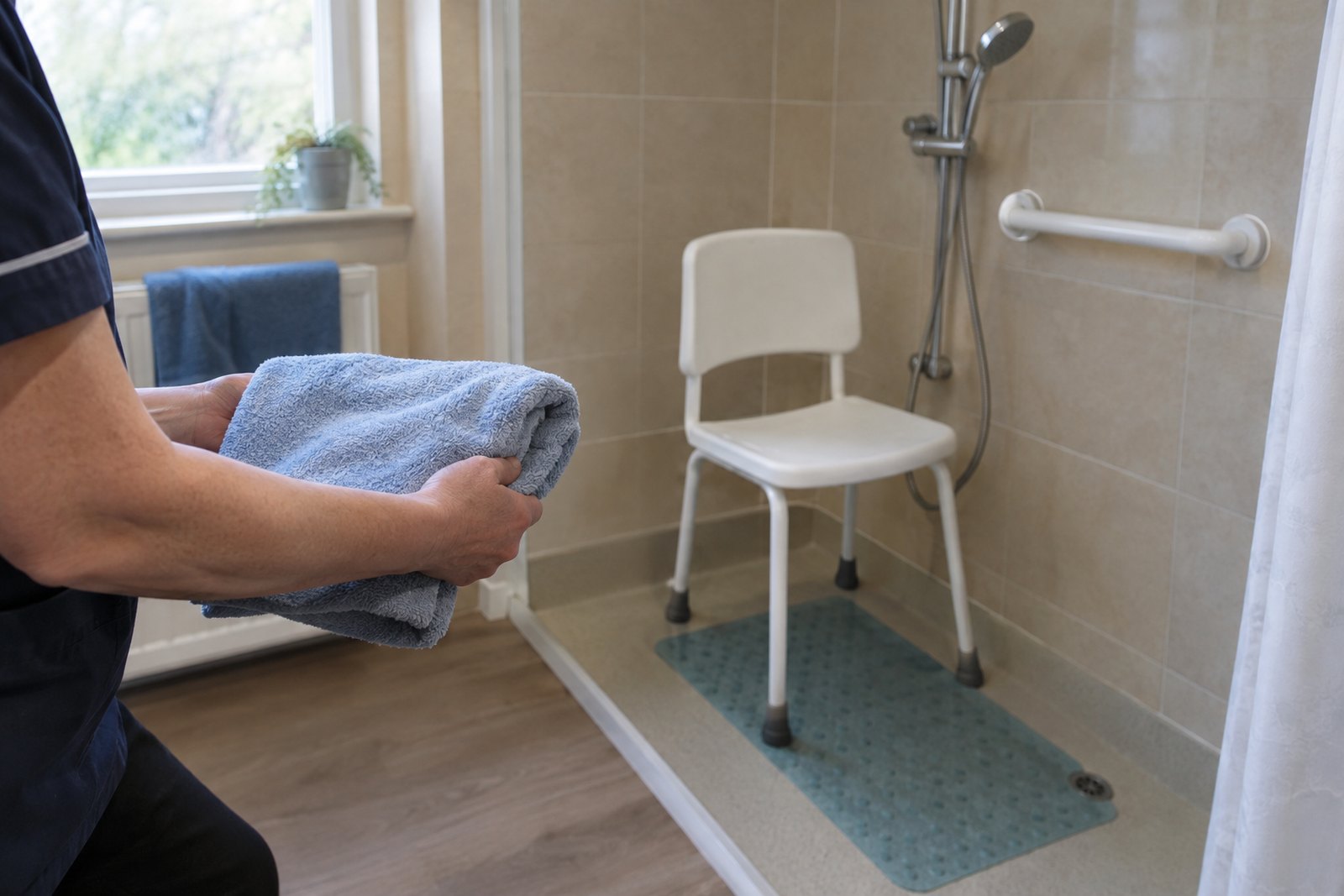
If someone you care for with dementia is refusing to wash, it is very rarely about being difficult. Washing asks a lot of a brain that is struggling: undressing in front of someone, stepping into water they cannot judge, feeling cold, hearing echoes and following a long chain of steps they once did without thinking. When that feels frightening or confusing, saying no is a sensible response from where they are standing.
The good news is that it usually gets easier when you change the conditions rather than push harder. Warm the room, keep them covered, pick a calmer time, offer choices, break it into small steps and accept that a good wash at the sink counts. Never force it. Holding someone in a shower might get them clean once, but it frightens them, risks injury and makes the next time harder for both of you.
Why washing becomes so hard with dementia
The fix depends on the cause, and most people have more than one of these going on at once.
They do not feel they need a wash
Dementia can affect the ability to notice your own body smell, remember when you last washed or recognise that clothes are dirty. If your mum genuinely believes she had a bath this morning, being told she needs one sounds like an insult. She is not lying. Her memory is telling her something different, and arguing rarely helps.
Fear of water and falling
Running water can feel unpredictable. A shower spraying from above can feel like being caught in a downpour, and water on the face can be genuinely alarming. Many people are also quietly afraid of slipping, especially if they have fallen before or feel unsteady stepping over a bath side.
Cold and feeling exposed
Older people feel the cold more, and the bathroom is often the coldest room in the house. Being undressed, wet and cold is miserable for anyone. Add the embarrassment of being naked in front of a son, a daughter or a care worker they do not recognise, and refusing makes a lot of sense. Many people of this generation were brought up with strong ideas about modesty.
Seeing things differently
Dementia can change how the brain makes sense of what the eyes see, including depth. A dark bath mat can look like a hole. A shiny floor can look wet. Clear water in a white bath against white tiles makes it hard to tell where the edge is or how deep it goes. Some people do not recognise their own reflection and think a stranger is watching.
Noise, echoes and too many steps
Bathrooms are echoey, and a rushing tap, an extractor fan and someone talking can be overwhelming. Washing is also a long sequence: undress, step in, wet, soap, rinse, hair, step out, dry, dress. Losing track halfway can feel frightening rather than simply forgetful.
Pain or illness
Sore joints, painful feet or constipation can make someone reluctant to move or be touched. If refusing to wash comes on suddenly with more confusion, agitation or drowsiness than usual, speak to their GP or call NHS 111, because a sudden change can be a sign of infection or another illness. If they are seriously unwell, call 999.
Practical approaches that make washing easier
None of these work every time. The aim is to tip the odds in your favour.
Choose the time carefully
Think about when they washed for most of their life. Someone who had a bath every Sunday night may never warm to a morning shower. Pick a time when they are usually calmer, which for many people is not late afternoon or evening, and avoid rushing before an appointment. If it is not working, stop and try later. There is almost always a later.
Make it warm first
Heat the bathroom well before you start, using the fixed heating. Do not bring portable electric heaters into the bathroom. Warm the towels on a radiator and have clean clothes ready. Run the bath or test the shower before they come in, so they do not walk into noise and steam. Always check the water temperature yourself with your wrist or a bath thermometer, because someone with dementia may not notice, or say, that it is too hot.
Protect their privacy
Keep them covered as much as possible. Wrap a large towel round their shoulders or lap and wash underneath it, uncovering only the part you are washing. Some people are happier sitting on a shower chair in a towel. Close curtains and doors, and if they would prefer a carer of the same sex, try to arrange it.
Use fewer, better words
"Do you want a bath?" invites a no. A simple choice works better: "Would you like a bath or a wash at the sink?" Some people respond better to "let's freshen up" than to the word bath. Give one instruction at a time, in short sentences, and wait. Show what you mean: hold up the flannel, mime washing your face, or rest your hand over theirs to guide the movement.
Let them do what they can
Hand them the flannel and let them wash their own face, arms or front, even if it takes longer and is not perfect. Doing it themselves keeps their dignity and some control, which often reduces resistance. You can quietly finish the bits they miss. Offer one item at a time rather than leaving everything out at once.
Offer bath, shower or a wash at the sink
Nobody has to shower daily. Many older people grew up with a weekly bath and a daily wash at the basin, and that is a perfectly good way to keep clean. A seated wash at the sink with a bowl of warm water may be far less frightening than a shower. If the bathroom itself has become a battleground, a wash in a warm bedroom can work well.
Handle the shower gently
A handheld shower head is much easier than a fixed overhead one. Let them hold it if they want to. Start at the feet and hands and work upwards slowly, saying what you are about to do before you do it. Keep the spray off their face. Hair can be washed separately at the sink with a jug and a flannel held over the eyes, or at a hairdresser.
Build a routine and make it pleasant
Same time, same order, same towels, same familiar soap. Familiar smells reassure. Music they love, a chat about something they enjoy or a cup of tea waiting afterwards can all help. Thank them, and finish on a good note even if you only managed half.
When they still say no
Stop, stay calm and come back in twenty minutes or another day. Leaving and returning can feel like a fresh start to someone with memory problems, and sometimes a different person asking gets a yes. If they become distressed or lash out, step back and give them space. That is fear, not a reason to try harder. Never hold someone down, lock them in the bathroom or force them under water.
Setting up the bathroom
A safer, calmer bathroom removes a lot of the fear, and some changes cost very little.
- Something solid to hold. Properly fixed grab rails by the bath, shower and toilet help someone feel steady. Towel rails, soap dishes and shower doors are not safe to grab. Our guide to grab rails and where they go explains more.
- Sitting rather than standing. A shower chair or stool, a bath board or a powered bath lift lets someone wash seated, which reduces the fear of falling. See bath and shower aids for older adults for the main types and who they suit.
- Contrast. A coloured towel over the bath edge, a coloured toilet seat or a contrasting non-slip mat helps someone see where things are. Avoid very dark mats that can look like holes.
- Non-slip surfaces. A non-slip mat inside the bath or shower and an absorbent mat outside. Wipe up spills straight away.
- Quiet. Fill the bath before they come in, and turn off a noisy fan if the room is warm enough without it.
- Mirrors. If their reflection upsets them, cover the mirror or take it down.
- Locks. Consider removing or disabling the inside lock so nobody can get locked in.
- Taps. Clearly marked hot and cold or lever taps can be easier. A plumber can fit a thermostatic mixing valve to limit how hot the water gets.
For ideas beyond the bathroom, see a dementia-friendly home, room by room.
Skin care and continence
When full washes are rare, focus on the areas that matter: face, hands, armpits, under the breasts, groin, bottom and feet. A quick daily wash of these protects the skin and prevents soreness and smells.
- Dry thoroughly, especially skin folds and between the toes. Pat fragile skin rather than rubbing.
- Look at the skin as you go. Redness that does not fade, broken skin, sores on the heels, bottom or hips, or rashes in skin folds are worth raising with the GP or district nurse.
- Moisturise dry skin with a simple unperfumed moisturiser. If you are unsure what to use, ask a pharmacist.
- No-rinse products such as wash foams, cleansing wipes and rinse-free shampoo caps can bridge the gap between proper washes, especially after an accident.
Incontinence makes washing more urgent and more embarrassing. A calm, matter-of-fact approach helps: clean gently front to back, dry well and change pads promptly. The GP can refer to the local NHS continence service for assessment and advice. A sudden change in continence, pain passing urine or new confusion should be checked by the GP.
When to bring in help
Helping someone wash who does not want to be washed is one of the hardest parts of caring. It is physically demanding, emotionally draining and can strain a relationship that matters. It is fine to hand it over. Signs it is time for more support:
- You are worried about either of you falling or getting hurt.
- Washing regularly ends in distress, shouting or physical resistance.
- They can no longer get in or out of the bath or shower safely.
- Their skin is getting sore, or you are seeing signs of neglect.
- You are dreading it, or simply exhausted.
Your council's adult social care team can carry out a needs assessment, which may lead to care workers helping with washing, and you can ask for a carer's assessment for yourself. Our guide to the Care Act needs assessment explains how to ask. Sometimes a stranger in a uniform gets a yes where a daughter gets a no. That is not a failure on your part.
Where an occupational therapist fits
An occupational therapist looks at the whole task: the person, the bathroom and the way washing is done. On a home visit they can watch how someone moves, how they manage each step and where the fear or difficulty creeps in, then suggest changes that fit that particular person. That might include:
- Recommending equipment such as a shower chair, bath board or bath lift, and checking it suits the person's height, balance and the bath or shower they have.
- Advising where grab rails should go, whether a level-access shower or other adaptation would help, and supporting applications for council-funded adaptations.
- Suggesting ways to break washing into steps, use prompts and adjust the routine so the person can do more themselves.
- Showing carers safer ways to help, so neither of you is at risk.
Council occupational therapists assess through adult social care, and equipment is often provided on loan. A private occupational therapist visiting at home is an option if you want an assessment sooner or a detailed report.
An occupational therapist is not the right person for everything. Sudden changes in confusion, pain or continence are for the GP. Pressure sores and wounds are for the district nurse. Ongoing distress or changes in behaviour may need the memory service or a dementia specialist nurse, such as an Admiral Nurse through Dementia UK.
Frequently asked questions
How often does someone with dementia need a bath or shower?
There is no fixed rule. Many people stay clean and comfortable with a daily wash of the key areas plus a full bath or shower once or twice a week. Healthy skin and comfort matter more than a daily shower.
Why has my dad suddenly become frightened of the shower?
Often it is a change in how he sees, hears or feels: water on his face, echoes, a cold room or trouble judging the floor. A handheld shower, sitting down, a warm room and starting at the feet can help. If the fear came on suddenly with other changes, ask the GP to check for illness.
Is it all right to use wipes and no-rinse products instead?
Between proper washes, yes, and particularly after continence accidents. They are not a full substitute for water, but they keep skin clean and comfortable on days when a wash is not going to happen.
What should I do if they become angry or lash out?
Stop, step back and keep yourself safe. Speak calmly, do not argue, and try later or let someone else try. If it happens regularly, talk to the GP or memory service and ask the council for a needs assessment.
Can I wash someone who says no?
Not by force. If someone lacks the capacity to decide about personal care, decisions should be made in their best interests using the least restrictive approach: persuasion, timing, choices and trying again. If you are unsure, speak to the GP, a social worker or a dementia nurse.
Will the council help pay for bathroom changes?
Smaller equipment is often lent after an assessment. In England, larger adaptations may be funded through a Disabled Facilities Grant, which is means tested for adults. The rules are different in Wales, Scotland and Northern Ireland, so ask your council's adult social care team (or the Housing Executive in Northern Ireland) about what is available where you live.
Next steps
If washing has become a daily struggle, a fresh look at the bathroom and the routine can make a real difference. See our home assessment page, or current guide prices, and choose your area below.

Talk to an occupational therapist near you
This guide is general information. For advice about your own situation - or someone you look after - a local occupational therapist can visit you at home and see it for themselves.
Choose your area: