

Concussion Recovery: Getting Back to Daily Life, School and Work
By Mobile Occupational Therapist • 20 October 2026 • 13 min read
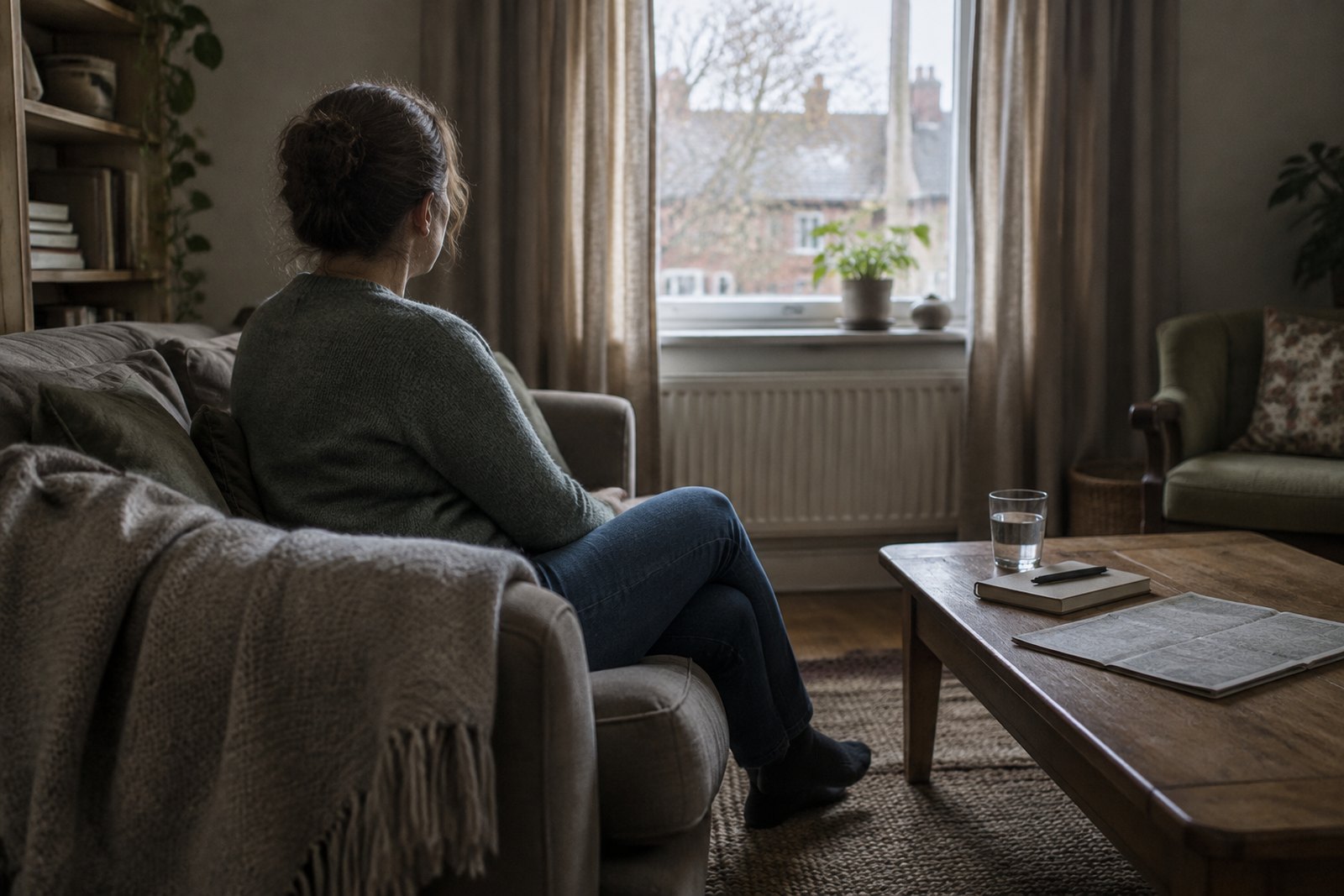
Most people recover from a concussion within a few days to a few weeks. Current advice is not to lie in a dark room until every symptom has gone. It is a short spell of relative rest for the first day or two, then a gradual, step-by-step return to normal life, school or work, easing off whenever symptoms flare. Sport comes last, and never on the same day as the injury.
For some people, headaches, tiredness, poor concentration and sensitivity to light or noise hang around for weeks or months. This is often called post concussion syndrome, or persistent post-concussion symptoms. It is real, GPs recognise it, and it usually improves with time and sensible pacing. This guide covers the danger signs first, then the practical side: screens, sleep, school, work, sport, and when to get more help.
First: the danger signs that need help now
Concussion is a mild brain injury, but a small number of head injuries turn out to be more serious, and warning signs can appear hours or even days later. Call 999 or go straight to A&E if, after a knock to the head, you or the person you are looking after has any of these:
- being knocked out and not waking up, or being very hard to keep awake
- repeated vomiting
- a headache that keeps getting worse
- a seizure or fit
- weakness or numbness in an arm or leg, or new trouble with balance or walking
- confusion, slurred speech, difficulty understanding, or problems with vision
- clear fluid coming from the nose or ears, or bleeding from the ears
- a cut or dent in the head, or bruising behind the ears
- a marked change in behaviour, or in a young child, crying that will not settle
The NHS also advises going to A&E after a head injury if the person was knocked out at all, even briefly, has memory problems, had been drinking or taking drugs, takes medicine to thin the blood or has a bleeding disorder, or has had brain surgery in the past. Older people on blood thinners need particular care: a fall that looks minor can still cause bleeding inside the head. If you are unsure, call NHS 111 and they will tell you where to go.
For the first day, it helps to have someone stay with the injured person, and to avoid alcohol. Then the recovery itself can begin.
The first few days: rest, but not for too long
For roughly the first 24 to 48 hours, take it easy. That means relative rest, not total rest. Sitting quietly, gentle pottering around the house, a short slow walk outside and ordinary conversation are all fine if they do not make symptoms noticeably worse. What you are avoiding is anything strenuous, anything with a risk of another knock to the head, and long stretches of concentration.
After that, the aim is to build up gradually. Guidance has moved away from long periods of lying in a darkened room, because doing nothing for days tends to leave people more tired, more anxious and more sensitive to ordinary noise and light when they do re-emerge. Little and often is the rule.
Screens
You do not need to ban phones, tablets and laptops completely, but they are one of the commonest triggers for headaches and eye strain after concussion. In the first couple of days, keep screen time short. Then try:
- short sessions, perhaps 10 to 20 minutes, with a proper break away from the screen in between
- turning the brightness down and making text larger
- avoiding fast-moving games, scrolling video feeds and busy, flashing content
- stopping screens an hour or so before bed
- printing things out or listening to audio instead of reading on screen where you can
Build up session length as you tolerate it. If you get a headache every time you work on a screen, that is useful information for planning your return to school or work.
Sleep
Sleep often goes haywire after a concussion. Some people sleep far more than usual for a few days; others struggle to drop off or wake repeatedly. Both are common. Keep to a regular bedtime and getting-up time, have a calm wind-down without screens, and keep daytime naps short and early in the afternoon so they do not wreck the night. If poor sleep is still a problem after a couple of weeks, mention it to your GP, because tiredness makes every other symptom worse.
Pacing: the skill that makes the biggest difference
Pacing simply means doing a manageable amount, stopping before you crash, and increasing slowly. It sounds obvious. It is surprisingly hard in practice, especially for people who are used to pushing through.
A rule of thumb many concussion services use: a mild rise in symptoms that settles within an hour or so is acceptable. A big flare, or one that is still there the next morning, means you did too much and should drop back a step for a day or two. Recovery is rarely a straight line. Expect good days and worse days.
Practical ways to pace:
- Plan the day. Spread demanding tasks out rather than doing them all in the morning while you feel fresh.
- Break tasks up. Do the washing up in two goes. Read for 15 minutes, not an hour.
- Mix types of activity. Alternate thinking tasks, physical tasks and genuine rest.
- Write things down. A simple notebook or wall planner takes pressure off a tired memory.
- Reduce the noise. One conversation at a time, the television off when you are talking, shopping at quiet times.
- Keep a short diary of what you did and how you felt. Patterns jump out after a week or so.
Our guide to fatigue management and pacing was written for other conditions, but the methods work just as well after a concussion.
Going back to school or college
For children and teenagers, getting back to learning comes before getting back to sport. Many can return to school within a few days, often with temporary changes. Talk to the class teacher, head of year or SENCO before they go back, and explain what you have noticed at home. Helpful short-term changes might include:
- shorter days or a few half days to start with
- planned rest breaks, and somewhere quiet to go if symptoms build up
- less homework, and no tests or exams for a short while where possible
- printed notes rather than copying from the board or long screen work
- avoiding the noisiest places, such as a crowded lunch hall, at first
- no PE, contact games or rough play at break times until the return-to-sport steps are done
Agree a date to review how it is going. Most children only need these changes for a short time. If a child is still struggling after a few weeks, with headaches, falling behind, tiredness or a change in mood or behaviour, take them back to the GP and ask the school to put a more formal support plan in place.
Going back to work
Many people with a desk job feel ready to try work within a week or two, but going straight back to full days, a busy open-plan office and back-to-back video calls is often what tips recovery backwards. A planned, gradual return usually works better. That might mean shorter hours, fewer days, more breaks, working from home for some of the week, or lighter duties at first.
If you need time off or a gradual return, your GP can issue a fit note saying you may be fit for work with changes such as a phased return or altered hours. Our guide to a phased return to work explains how to plan one with your employer, and if symptoms linger, our guide to reasonable adjustments at work covers what you can ask for.
Take particular care if your job is physical, involves heights, machinery or safety-critical decisions, or involves driving. On driving generally: do not drive until you feel fully alert and your concentration, vision and reactions are back to normal, and check the DVLA guidance on GOV.UK about whether you need to tell them, particularly if you had a seizure or a more serious head injury.
Getting back to sport safely
The UK has concussion guidelines for grassroots and non-elite sport, published on GOV.UK. Their headline message is simple: if in doubt, sit them out. Anyone with a suspected concussion should stop playing straight away and not return to sport on the same day, whatever the score, whatever they say about feeling fine.
The guidance then sets out a staged return: a short period of rest, then gradually increasing everyday activity, then light exercise, then sport-specific training without contact, and only later full contact training and competition. Each stage should be managed without symptoms coming back. It sets a minimum period before returning to competitive sport, currently 21 days, and children may need longer. Check the current version on GOV.UK and with your sport's governing body, as clubs often have their own procedures. Anyone whose symptoms return or persist should see a GP before going further.
Post concussion syndrome: when symptoms do not go away
Some people find that symptoms carry on for weeks or months. This does not mean the original injury was missed or that something is getting worse. Common lingering symptoms include:
- headaches, often worse later in the day or after screens
- fatigue that is out of proportion to what you have done
- poor concentration, slow thinking and forgetfulness
- sensitivity to light and noise, and finding busy places overwhelming
- dizziness or feeling off balance
- poor sleep
- irritability, anxiety and low mood
Worry and symptoms can feed each other. Feeling foggy makes people anxious; anxiety makes the fog thicker. That is not "all in your head" in the dismissive sense. It is a normal reaction, and it is worth treating both sides.
What tends to help is steady, boring consistency: regular sleep, regular meals, daily gentle activity, pacing, and gradually reintroducing the things that trigger symptoms rather than avoiding them forever. If you find yourself relying on painkillers for headaches most days, mention this to your GP or pharmacist rather than simply carrying on.
When to see your GP
The NHS suggests seeing a GP if symptoms have not gone after about two weeks. Go sooner if:
- symptoms are getting worse rather than slowly better
- you cannot manage school, work or caring responsibilities
- sleep, mood or anxiety are becoming a real problem
- dizziness, vision changes or neck pain are not settling
Any of the danger signs listed at the top still mean 999 or A&E, even if the injury was days ago. If you have thoughts of harming yourself, call NHS 111 or 999. Your GP can check for other causes, help with headaches and sleep, and refer you on, for example to a head injury or concussion clinic, physiotherapy, or psychological support, depending on what is available locally.
Where an occupational therapist fits
An occupational therapist is not the person to diagnose a concussion or decide whether a scan is needed. That is A&E or your GP. Dizziness and balance problems, and neck pain, are usually best treated by a physiotherapist, ideally one with vestibular experience. Persistent vision problems need an optometrist or eye clinic. Significant memory or thinking difficulties may need a neuropsychologist, and low mood or anxiety may need talking therapy.
Where an occupational therapist helps is the practical middle ground: turning "take it gradually" into a plan that works for your actual life. A private occupational therapist visiting at home can:
- look at how symptoms affect your day and build a realistic pacing and activity plan
- set up routines, planners, reminders and strategies for a tired memory and poor concentration
- suggest changes for light and noise sensitivity at home and at work
- plan a graded return to work, liaise with your employer or occupational health with your permission, and recommend workplace adjustments
- help get household tasks, childcare, cooking and outings back on track without repeated crashes
- write a report for an employer, insurer or a personal injury claim where that is needed
For children, a paediatric occupational therapist can sometimes help with school routines, fatigue and handwriting or concentration difficulties, working alongside the school. If the head injury was more than mild, our guide to brain injury rehabilitation at home may be more relevant, and you can read more about neurological occupational therapy.
Frequently asked questions
How long does concussion recovery take?
Most people feel back to normal within a few days to a few weeks. Children and teenagers can take a little longer than adults. If symptoms are still there after about two weeks, see your GP. Persistent symptoms usually improve with time, but it can take a few months for some people.
Can you get post concussion syndrome if you were not knocked out?
Yes. Many people with concussion are never knocked out at all, and how long you were unconscious does not reliably predict who will have lingering symptoms. Take symptoms seriously whatever happened at the time of the injury.
Can my child look at a phone or tablet after a concussion?
Keep screens to a minimum for the first day or two, then reintroduce them in short sessions with breaks, low brightness and calm content. If screens bring on headaches, cut back and build up more slowly. Avoid them before bed.
Should my child do PE after a concussion?
Not until they are back at school without symptoms and have worked through the staged return to sport. No sport on the day of the injury, and no competitive or contact sport before the minimum period in the UK grassroots guidance. Tell the PE department and any clubs your child plays for.
Can I go back to work if I still have some symptoms?
Often, yes, with changes. Mild symptoms do not have to mean staying off, and a gradual, planned return usually goes better than either full days straight away or a long absence. Talk to your GP about a fit note and to your employer about a phased return. Safety-critical work and driving need more caution.
Can concussion cause anxiety or low mood?
It can. Irritability, anxiety and low mood are common after concussion, partly from the injury and partly from the strain of feeling unwell and falling behind. Tell your GP. Support is available, and treating mood often helps the other symptoms too.
Next steps
If concussion symptoms are making daily life, school or work hard to manage, see our neurological occupational therapy and work and ergonomics pages, or current guide prices, and choose your area below.
Talk to an occupational therapist near you
This guide is general information. For advice about your own situation - or someone you look after - a local occupational therapist can visit you at home and see it for themselves.
Choose your area: