Stroke Rehabilitation at Home in Cheshire East: What Comes Next
By Mobile Occupational Therapist • 19 October 2026 • 10 min read
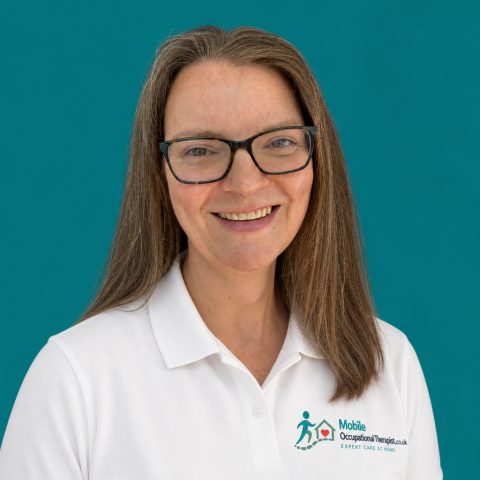
Local Occupational Therapist -
Esther Yirrell, Cheshire East
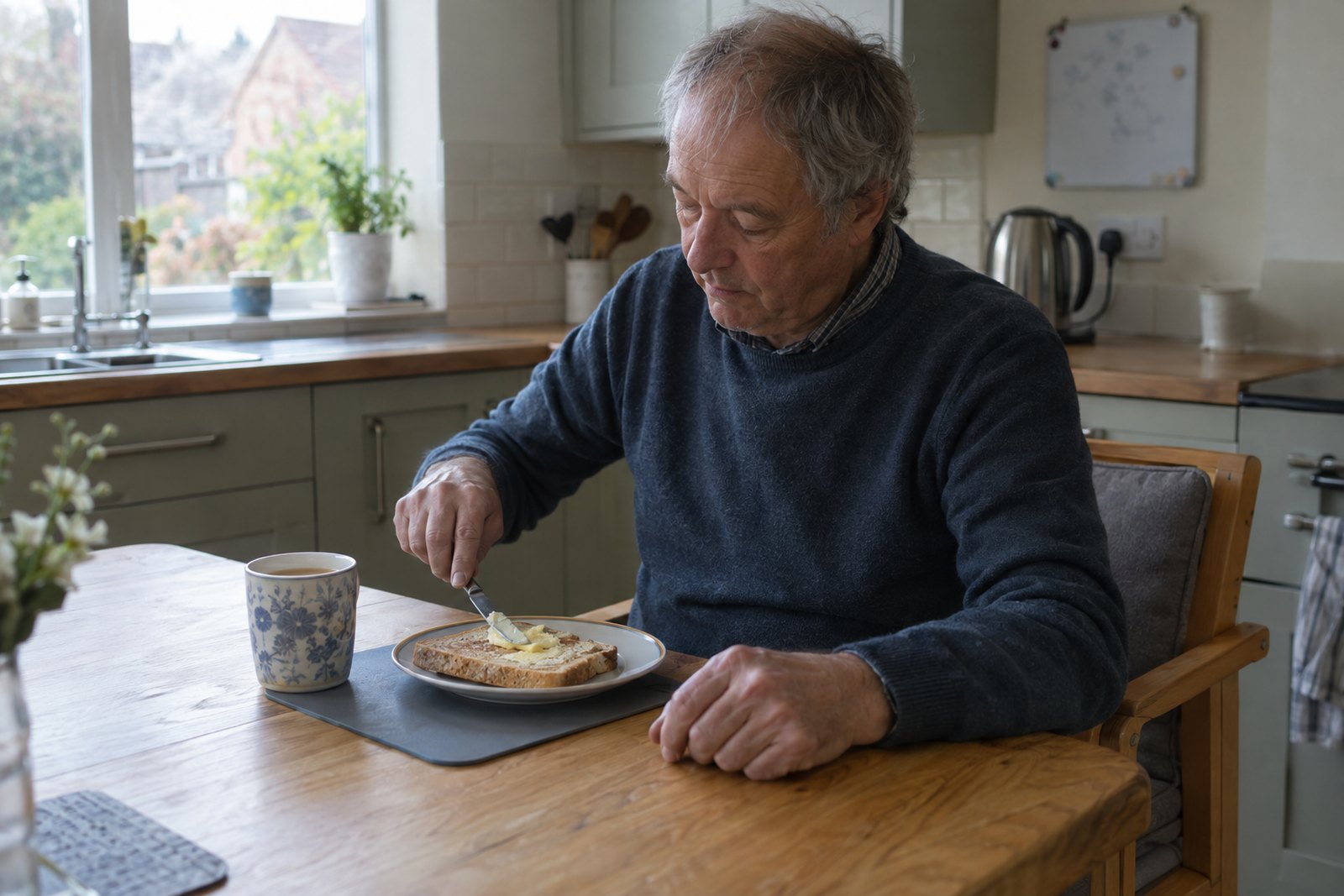
If you or someone you love has come home after a stroke in Cheshire East, the first weeks are usually full of NHS visits. Then they stop. The community rehab team meets its last goals and says goodbye, and you are left in a kitchen in Crewe or a living room in Macclesfield wondering whether this is as good as it gets. It often is not. Recovery after a stroke can carry on for months and sometimes longer, and much of it happens in ordinary daily life rather than in a therapy session.
This guide explains what stroke rehabilitation at home can look like once NHS community rehab ends, the problems that tend to stay hidden (tiredness, memory, mood, managing with one hand), what Cheshire East Council can help with, and where private occupational therapy after a stroke fits. Our occupational therapist for the area, Esther Yirrell, visits people at home across Cheshire East, and there is more about Esther further down.
First, the urgent bit: the signs of another stroke
Having had one stroke raises the chance of another. If you notice any of these signs, call 999 straight away. Do not wait to see if it passes and do not ring the GP first.
- Face - has one side dropped? Can they smile evenly?
- Arms - can they lift both arms and keep them there?
- Speech - is it slurred or muddled, or can they not speak at all?
- Time - call 999 if you see any one of these.
Symptoms that come and go within minutes or hours may be a transient ischaemic attack, sometimes called a mini stroke. It still needs urgent medical help. For new problems that worry you but have not come on suddenly, such as changes in swallowing, more falls or a big change in mood, speak to your GP or call NHS 111.
What happens when NHS community rehab ends
After a hospital stay, many people get a spell of NHS rehabilitation at home or in the community, from physiotherapists, occupational therapists and sometimes speech and language therapists. It is focused, it is built around goals, and it does not go on forever. When the goals set at the start are met, or progress seems to slow, you are discharged.
That is often the point families find hardest. The visible things, like walking to the bathroom, may be going well. But the person who came home is not quite the person who went in. They are worn out by lunchtime. They lose track halfway through making a cup of tea. They are short-tempered, or flat, or tearful for no clear reason. Nobody explains that these can be part of the stroke, so it is easy to decide they are being difficult, or that you are.
If you feel you were discharged too soon, or things have gone backwards, ask your GP whether a re-referral to NHS services is possible. That is a reasonable question, and worth asking before you pay for anything.
The hidden problems after a stroke
Fatigue
Fatigue after a stroke is not ordinary tiredness, and a good night's sleep does not always fix it. It can arrive suddenly, after something as small as a long conversation or a trip to the shops in Wilmslow. Worse, it stops people doing the very things that would help them recover. Pacing helps: spreading jobs through the day, sitting down for tasks you used to stand for, and resting before you are exhausted rather than after. There is more in our guide to fatigue after a stroke.
Memory, concentration and planning
Many people find thinking harder after a stroke, even when their speech seems fine. They forget appointments, struggle to follow a recipe, feel overwhelmed in a busy room or lose the thread of a programme. Small changes make a real difference:
- Keep one calendar or diary, always in the same place.
- Put a whiteboard by the kettle for the day's plan.
- Do one thing at a time, with the radio off.
- Break longer jobs into short written steps and tick them off.
- Leave keys, glasses and phone in one spot every time.
Our guide to memory and thinking problems after a stroke goes into more detail.
Low mood and anxiety
Low mood after a stroke is common and it is not a sign of weakness. Some of it is grief for the life before. Some of it can be caused by the stroke itself. If low mood lasts more than a couple of weeks, or the person stops wanting to do anything at all, talk to the GP. If anyone talks about harming themselves, get help that day through NHS 111, or call 999 if they are in immediate danger. Carers get low too, and that matters just as much. Read more in low mood and depression after a stroke.
Managing with one hand
If one arm or hand is weak, everyday jobs turn into puzzles. A few practical starting points:
- Put a non-slip mat under plates, bowls and chopping boards so they stay still.
- Dress the weaker arm first and undress it last.
- Use pump dispensers for soap and a long-handled sponge for washing.
- Choose looser necklines, elastic waists and fewer buttons while you practise.
- Keep the weaker hand involved where it is safe, for steadying and holding light things. Ask a therapist what is right for you.
How occupational therapy carries on the work at home
Each profession has its patch. Physiotherapy usually leads on walking, balance and movement. Speech and language therapy leads on communication and swallowing. Your GP leads on medication and medical follow-up. Occupational therapy looks at everyday life: washing, dressing, cooking, getting out, managing money and appointments, hobbies, work, and how the home is set up. An OT asks what you want to be doing again, then works backwards from there.
At home, that might mean:
- Practising real tasks in your own kitchen and bathroom, not in a clinic.
- Memory and concentration strategies that fit your actual routine.
- A fatigue plan you can stick to on a bad day as well as a good one.
- Advice on equipment and adaptations, from a perching stool to a level-access shower.
- Support for the family carer, who is often doing far more than anyone has noticed.
Our page on neurological occupational therapy explains this kind of work, and our stroke page brings together our guides on recovery.
Private stroke rehabilitation: when it makes sense
NHS care is free and should always be your first port of call. Private occupational therapy costs money, so it is worth being clear about why you want it. People in Cheshire East tend to look at private stroke rehabilitation when:
- NHS community rehab has ended but there are still clear goals to work on.
- The hidden problems, like fatigue or memory, were never really addressed.
- They want more time on one area, such as getting back to cooking or work.
- They are waiting for a council assessment and want practical advice now.
- A solicitor or case manager needs a written functional assessment.
Whoever you choose, check they are registered with the HCPC, ask what the visit will include, and ask what you will get in writing afterwards.
What Cheshire East Council can help with
Cheshire East Council is a single council, so the same council deals with home adaptations whether you live in Nantwich, Congleton, Knutsford or Poynton. If someone is struggling at home after a stroke, contact the council's adult occupational therapy service. An occupational therapist or social care assessor will look at the person's needs and, if an adaptation is needed, pass the case to the council's Housing team.
- Small adaptations under £1,000, such as grab rails, are provided free outside the grant under the council's current policy.
- Bigger work, such as a level-access shower or a stairlift, may be paid for by a Disabled Facilities Grant of up to £30,000. It is means tested for adults, though people on an income-related benefit may not be means tested.
- The council's financial assistance policy also includes an Urgent Adaptations Grant of up to £10,000 with no means test, for example for someone who cannot leave hospital or a care placement until the work is done.
These are the council's policy figures and they can change, so check with the council before you plan around them. Our page on the Disabled Facilities Grant in Cheshire East sets out the contact routes and the steps.
One honest point. The council's policy refers to its own appointed occupational therapist for grant work, so a private report is unlikely to replace the council's assessment. Ask the council before relying on one. A private visit can still help you while you are on the waiting list, or if you are paying for the work yourself.
Esther Yirrell, our occupational therapist in Cheshire East
Esther is an HCPC-registered occupational therapist with more than 20 years of experience, based in Cheshire East and travelling to people's homes across the area. Esther's profile describes a focus on neurological conditions, and in particular on helping people recover after a stroke.
On a home visit, Esther carries out a thorough assessment of what is getting in the way, then works with the person and their family to set goals they can realistically reach. Those goals might be about thinking and memory, managing fatigue, or moving about more easily. Esther's profile highlights cognitive rehabilitation and relaxation techniques, and lists further training that includes Bobath training, a Masters level module in managing fatigue in long-term conditions, and a Level 2 course in counselling and CBT essentials.
Esther also supports people who want to stay in work or return to work after a neurological illness or injury, looking at how fatigue, memory and concentration affect the working day and putting practical strategies in place. Other services Esther offers include home assessments, help after hospital discharge, advice on equipment and aids, home adaptations, functional assessments and reports, and support for older people to stay independent. For a wider view of help in the area, see our Cheshire East page.
Frequently asked questions
How long does stroke recovery at home take?
There is no fixed timetable. Many people make their biggest gains early on, but improvement can continue well after formal rehab ends, especially with everyday practice. Your GP or stroke team can give a view on your own situation.
Can I still get NHS help once community rehab has finished?
Possibly. Ask your GP about a re-referral if things have changed or gone backwards. For problems with managing at home, such as getting in and out of the bath, contact Cheshire East Council's adult occupational therapy service.
Do I need a referral to see a private occupational therapist?
No. You can contact a private occupational therapist directly, or a family member can do it for you. It still helps to have any hospital discharge letters or therapy notes to hand.
Can occupational therapy help with going back to work after a stroke?
Yes, it can. An OT can look at how fatigue, memory and concentration affect your job and help you plan changes with your employer. Check the rules on driving after a stroke with your GP and on GOV.UK before getting behind the wheel.
Is private stroke rehabilitation worth it?
It depends on your goals. It is most useful when there is something specific you want to work on and NHS support has ended or is not covering it. If you are unsure, start by asking what a visit would involve.
Next steps
If you would like help with stroke rehabilitation at home in Cheshire East, you can read Esther Yirrell's profile, see Esther's prices, and send Esther an enquiry explaining what is happening and what you would like to get back to.