Staying Independent at Home in Derbyshire: Hills, Stone Steps and Making Life Work
By Mobile Occupational Therapist • 27 August 2026 • 6 min read
Local Occupational Therapist -
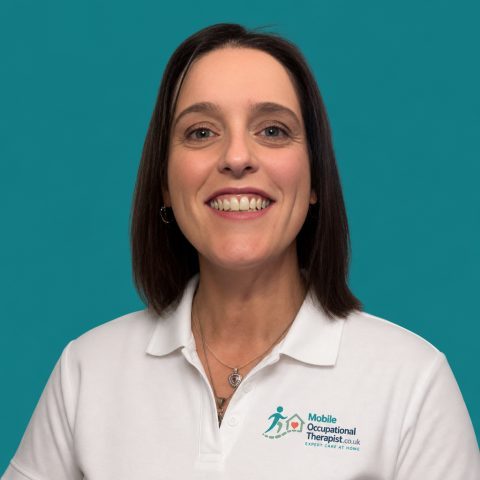
Wendy Perry, Derbyshire
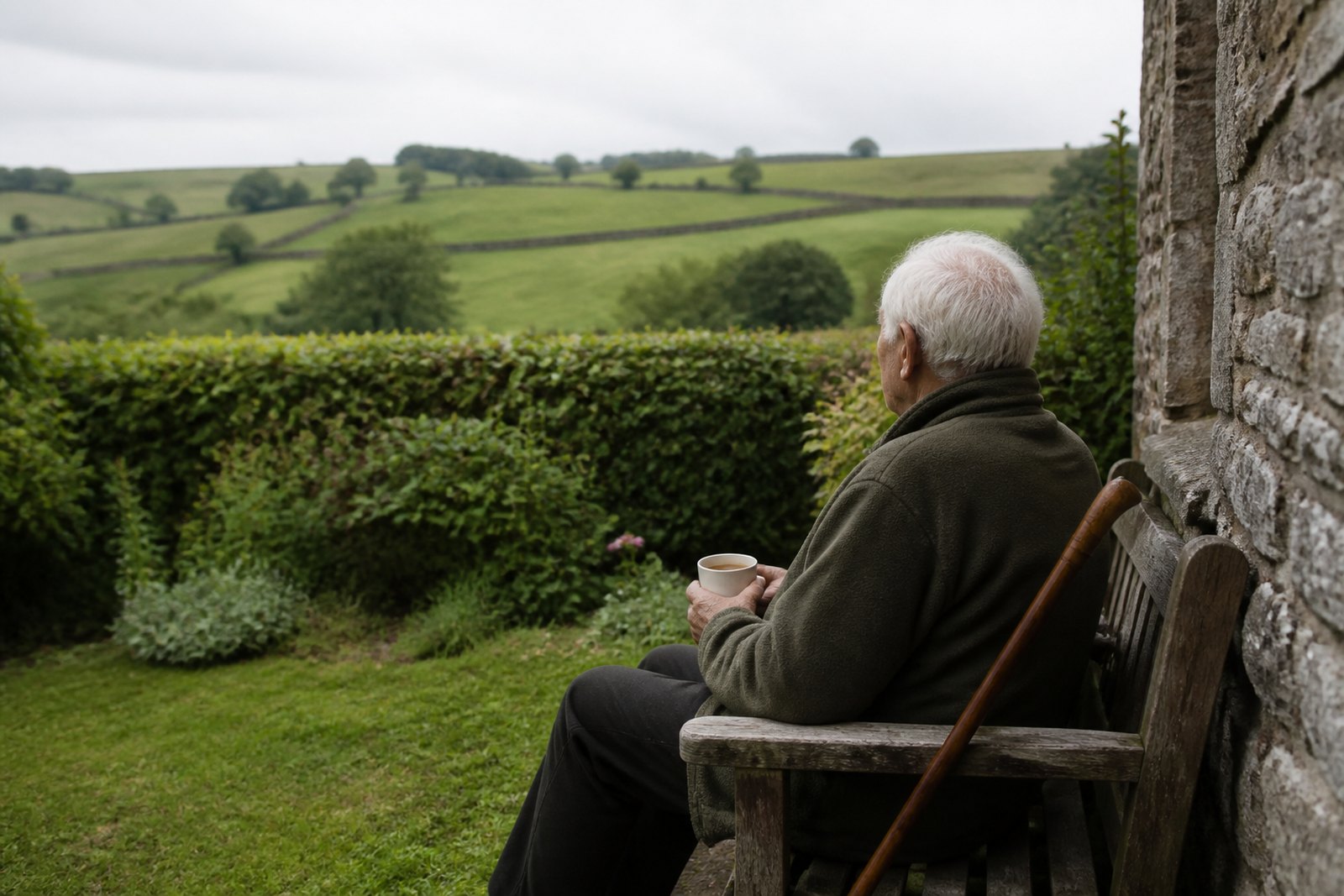
Derbyshire is a wonderful county to grow older in, and an awkward one. The same things that make it worth staying for - stone cottages, market towns, the Peak District on the doorstep - come with steps at every threshold, gardens that climb, cold hard floors and longer distances between you and everything else. Staying independent here is rarely about one big decision; it is a series of small, practical ones, made early enough to count. This post looks at the ones that come up most often in Wendy's work across the county, from Derby and Long Eaton up to Buxton and Glossop.
Getting in and out safely - the first battle is the front door
In newer housing, the way into the house is usually the easy part. In much of Derbyshire it is the hardest: a couple of worn stone steps to the door, a path that slopes, a back door that opens onto a yard below room level. If getting in and out has become something you plan around - or avoid - that is worth acting on, because the door is the gateway to everything else in this post. Often the fix is modest: a well-placed rail on each side rather than one, a half step to break a tall rise, better lighting for winter afternoons, a threshold ramp. Sometimes it is a technique - how you approach the step, which hand takes the rail, where the shopping goes while you do. An occupational therapist looks at you, the doorway and the way you use it together, which is why this is assessed at your home rather than described over the phone. Our equipment and aids service covers the common kit, and our national guide to practical falls prevention is a good companion read.
Staying part of village and market-town life
Independence is not just staying safe inside four walls - it is still being the person who gets to the market in Bakewell on a Saturday, the coffee morning, the church, the allotment. In a city, losing confidence outdoors shrinks life gradually; in a village near Hathersage or Tideswell, where the nearest shop may be a drive away, it can shrink life suddenly. Occupational therapy takes this side of things as seriously as the bathroom rail: how you get to the car and into it, whether a walking aid suits uneven pavements and cobbles, how to plan an outing so energy lasts the distance, what to do about the fear that creeps in after a stumble. If confidence after a fall is the real barrier, it deserves direct attention - and it responds to it. Knowing how to get up from the floor after a fall is one of the most confidence-restoring skills there is, and it can be practised safely.
Planning ahead with a long-term condition
If you live with a condition that changes over time - Parkinson's, multiple sclerosis, arthritis, heart or lung disease - the most useful time to think about your home is before it becomes urgent. Decisions made in a crisis are made from a short list; decisions made a year early are made from a long one. Planning ahead might mean choosing the downstairs room that could one day become a bedroom, doing the bathroom work you will want eventually at a time that suits you, or simply learning which tasks to pace and which to redesign. None of this is fatalism. People who plan ahead tend to stay independent longer, precisely because the house never gets the chance to fall behind the condition. Wendy works with people at every stage of long-term illness, and always alongside - not instead of - your GP and any specialist teams, so do keep them in the picture about changes in your health itself.
When a functional assessment helps
A functional assessment is a structured look at how you actually manage the activities of daily life - washing, dressing, cooking, moving around the house, getting out of it - in the place where you do them. It helps at recognisable moments: when family have started to worry, when tasks are quietly being dropped, after a hospital stay, when a condition has moved on a step, or when you need written evidence of what you can and cannot do for a benefits claim or a housing application. The output is not a verdict but a map: what is working, what is at risk, and what - specifically, in order of impact - would make the biggest difference. You can read what is involved on our functional assessments and reports page, and our independence for older people service describes the broader work this usually sits inside.
Adapting or moving - the honest question
Sooner or later most people in older Derbyshire housing ask it: do we adapt this house or leave it? There is no universal answer. A cottage in Wirksworth with the only bathroom upstairs and a garden on three levels may adapt beautifully or may resist every sensible change; a bungalow in Swadlincote may need almost nothing. What matters is asking the question with real information - what adaptations are actually feasible here, what they would achieve, what the realistic alternatives are - rather than guesswork or sentiment alone. This is a big enough subject that we cover it separately: Wendy helps people weigh adaptation against rehousing and navigate housing options, and our housing and rehousing service explains how.
Frequently asked questions
Is it too early to see an occupational therapist if I'm managing fine?
If you are asking the question, it is probably the ideal time. Early advice is cheap, calm and preventative; late advice happens in a rush after something has gone wrong. A single visit while you are managing well can set you up for years.
My parents live in a Derbyshire village and I live far away - can I arrange a visit for them?
Yes, families arrange visits all the time, and Wendy is happy to speak with relatives as part of the process - with your parents' agreement. The first phone call is free, and distance is no barrier: the whole point of a mobile service is that it travels to them.
Will accepting equipment or adaptations make me less able?
The evidence and experience point the other way. The right aid, properly chosen, lets you keep doing a task yourself instead of handing it to someone else - that is independence preserved, not surrendered. The key word is "right", which is what an assessment is for.
Next steps
If any of this sounds like your house, your parent or your next few years, a free, no-obligation phone call is the place to start. Read about her experience across the county on Wendy's profile, and find what a visit costs on the prices page.