

Post-Polio Syndrome: Pacing and Protecting Your Energy
By Mobile Occupational Therapist • 25 October 2026 • 12 min read
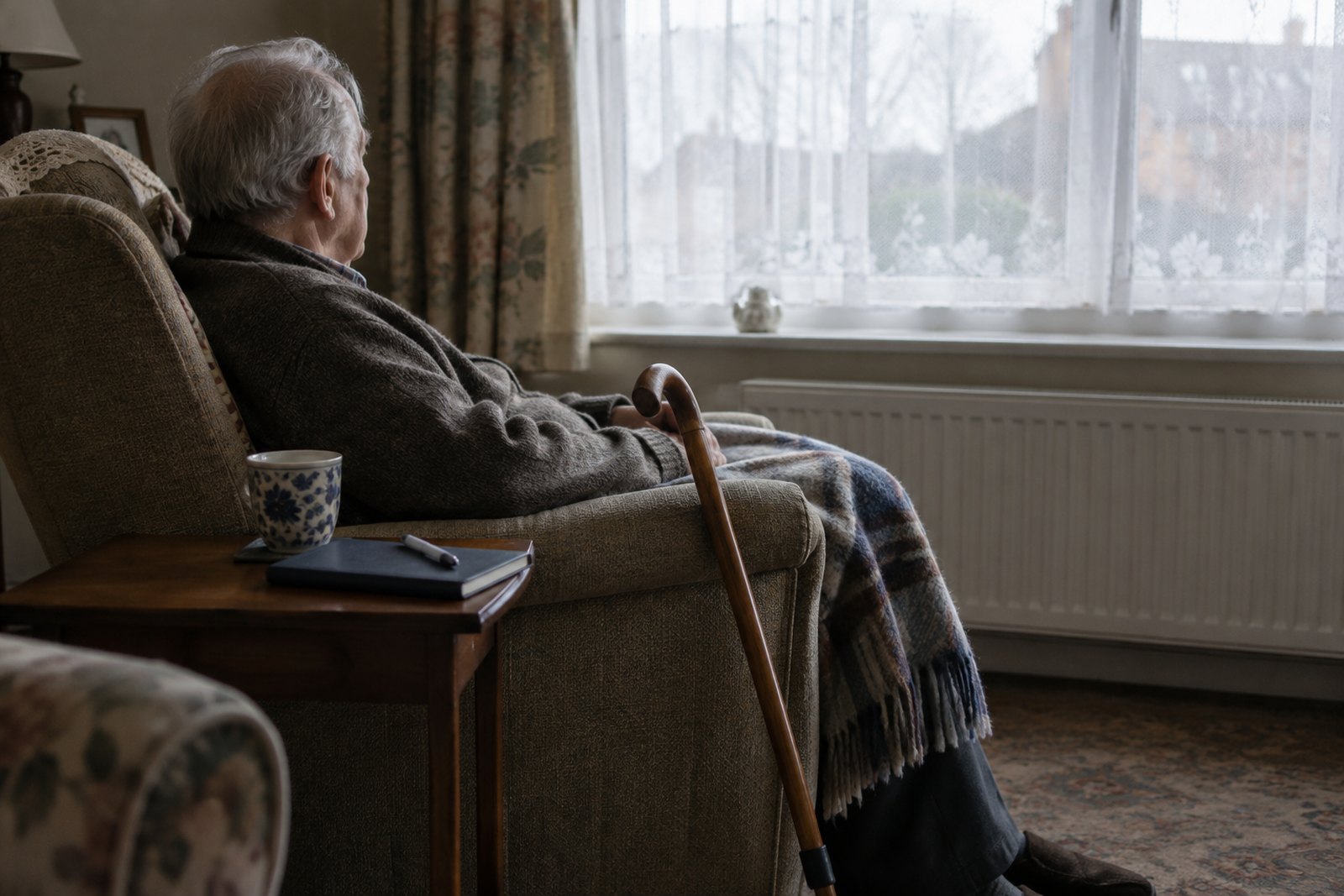
Post-polio syndrome is a condition that affects some people who had polio, usually many years after they recovered. The main signs are new muscle weakness, a heavy tiredness that rest does not fully fix, and muscle or joint pain. It can show up in muscles that were clearly affected by polio and in ones you thought had come through untouched. It is not polio coming back, and it is not catching.
There is no cure and no single test, so a doctor diagnoses it by ruling other things out. What helps most is unglamorous but effective: pacing your energy, stopping weakened muscles being overworked, using the right aids and orthoses, keeping warm, and changing the home so daily life costs less effort. Breathing or swallowing changes need a doctor, not a workaround. This guide goes through each of those in practical terms.
What post-polio syndrome actually is
When polio damaged nerve cells in the spinal cord, the surviving nerve cells did something remarkable. They sprouted extra branches to take over muscle fibres that had lost their own nerve supply. That is how many people regained a lot of strength. The usual explanation for post-polio syndrome is that, after decades of doing extra work, some of those overstretched nerve cells start to struggle. Muscles then weaken again, usually slowly.
Symptoms vary from person to person, but the common ones are:
- new or worsening weakness, sometimes with muscle wasting
- fatigue that can be physical, mental or both, often worse as the day goes on
- aching muscles and painful joints, particularly where you have walked or leaned awkwardly for years
- feeling the cold badly, especially in an affected limb
- breathing problems, poor sleep or swallowing difficulties in some people
It tends to progress gradually, often with long stable spells. Many people find it a shock all the same. If you spent your childhood being told to work hard and beat polio, being told decades later to do less can feel like going backwards. It is not. It is a change of tactics.
Getting a diagnosis
Start with your GP. Tell them plainly that you had polio, roughly when, and which parts of your body were affected, even if you were told at the time it was mild or you have no records. Some people only piece together their history by asking an older relative.
Because no blood test or scan confirms post-polio syndrome, the doctor will look for other causes of weakness and tiredness. These include thyroid problems, anaemia, diabetes, depression, sleep apnoea, joint or spine problems and medication side effects, among others. You may be referred to a neurologist. It is worth a proper check even if you are sure it is post-polio syndrome, because treatable problems can sit alongside it and make it look worse than it is.
Before the appointment, write down what you can no longer do that you managed a year or two ago. I am tired is easy for a busy GP to file away. I used to walk to the shop and back, now I sit down halfway and I am finished for the afternoon is not.
Pacing: the most useful tool you have
Pacing means spreading your energy so you can keep doing things steadily, instead of overdoing it on a good day and paying for it for the next three. It is the cornerstone of managing post-polio fatigue. Our practical guide to fatigue management and pacing explains the method in detail. Here is how it applies to post-polio syndrome.
Find your baseline
Your baseline is the amount of activity you can manage on most days without a crash afterwards. Keep a simple diary for a week or two: what you did, for how long, and how you felt that evening and the next morning. Patterns appear quickly. You may find the supermarket is fine, but the supermarket followed by a long phone call to the bank is not.
Plan the week, not just the day
Spread heavy jobs out. Changing the bed, a hospital appointment and a grandchild's birthday tea do not belong on the same day. Put a lighter day after anything big. If something important is coming up, protect the day before and the day after.
Rest before you need it
Short, planned rests work better than collapsing when you are already spent. Sit down for ten minutes between tasks, properly, not while sorting the post. Many people find a rest after lunch is what makes the late afternoon possible.
Save energy on everyday jobs
- Sit to do things. Prepare vegetables, iron, wash up or dress sitting down. A perching stool in the kitchen can make a real difference.
- Cut out trips. Keep things you use daily between waist and shoulder height. A wheeled kitchen trolley saves carrying.
- Drop jobs that do not matter. Let dishes air-dry. Buy ready-prepared vegetables. Shop online.
- Split jobs. Vacuum one room today and another tomorrow.
- Use your best hours. Do demanding things when you are freshest, which for many people is the morning.
Protecting weakened muscles from overuse
The general message with post-polio syndrome is that weakened muscles should not be pushed to exhaustion. Signs you have overdone it include muscle pain or twitching, extra weakness, or fatigue that drags on into the next day. If that happens, the activity was too much, too long, or done without enough breaks.
This does not mean doing nothing. Staying active within your limits matters for your heart, mood, weight and joints. The question is the right kind and amount. A physiotherapist with experience of neuromuscular conditions is the right person to advise on exercise, and gentle, non-tiring activity such as exercise in a warm pool suits some people. Do not start a strengthening programme from a gym, a video or a well-meaning relative without that advice.
Also look after the muscles and joints that have been compensating for years: the good leg, the shoulders that push you up out of chairs, the wrists that take your weight on a stick. Wear and tear here is common. Raising chair and bed heights, fitting rails and changing how you get up can take a lot of strain off them.
Mobility aids and orthoses
Many people who had polio walked without aids for decades, sometimes after wearing a calliper as a child that they were glad to see the back of. Going back to a stick or brace can feel like defeat. In practice, the right aid often means you can do more, not less, because each step costs less energy and overworked muscles get a break.
- Walking sticks and crutches spread load and improve balance. Height matters: a stick that is too long or too short strains the shoulder and wrist. See our guide to walking sticks, the right height and which type. If your hands or wrists hurt, ask about handles shaped to spread the pressure.
- Orthoses (braces) support weak joints. An ankle-foot orthosis can stop a foot dropping or an ankle rolling, and longer orthoses can support an unstable knee. These are assessed for and made by an orthotist, usually through an NHS orthotics service after a referral from your GP or consultant. Our page on living with an ankle-foot orthosis covers daily life with one. Modern orthoses are often far lighter than the old steel callipers.
- Wheelchairs and scooters help with longer distances. Using one for a day out so you can still enjoy the evening is pacing, not giving up.
Footwear matters too. Supportive shoes that fit well, and that work with any orthosis, reduce trips and save energy with every step.
Breathing, swallowing and sleep: get these checked
This is the part not to manage on your own. Some people with post-polio syndrome develop weakness in the muscles used for breathing or swallowing, particularly if those were affected originally. See your GP soon if you notice:
- morning headaches, or waking unrefreshed however long you sleep
- breathlessness when lying flat, or needing more pillows to breathe comfortably
- daytime sleepiness, or a partner noticing heavy snoring or pauses in your breathing at night
- coughing or choking on food or drink, food sticking, or a weak cough
- repeated chest infections
Your GP may arrange breathing tests or a sleep study, or refer you to a respiratory specialist. Swallowing problems are assessed by a speech and language therapist, who can advise on food textures and safer ways to eat and drink. If you have severe breathlessness or chest pain, or someone is choking and cannot clear it, call 999. If you are unsure how urgent something is, call NHS 111.
Tell any doctor, dentist or anaesthetist that you had polio before a procedure, as people with post-polio syndrome can react differently to anaesthesia and some medicines. The British Polio Fellowship has information you can take with you.
Cold intolerance and keeping warm
Many people with post-polio syndrome feel the cold badly, and an affected limb may look mottled or bluish and feel cold to the touch. Cold muscles also work less well, so a chilly morning can leave you weaker and slower.
- Layer clothing, including thermal layers, and keep legs and feet warm with long socks or leg warmers.
- Warm the bedroom before bed and the bathroom before a wash.
- Keep a blanket by your usual chair.
- Take care with direct heat. Skin with poor circulation can be damaged by hot water bottles, heat pads or sitting very close to a fire, especially if you sit still for long periods. Check your skin.
If heating costs are a worry, your council or a local advice service can tell you what help is available. It is also worth checking whether you could claim disability benefits such as Attendance Allowance or Personal Independence Payment. In Scotland these are being replaced by Pension Age Disability Payment and Adult Disability Payment from Social Security Scotland. GOV.UK, mygov.scot or nidirect explain who qualifies.
Adapting the home
Every flight of stairs, high cupboard and low chair costs energy. The aim is to make the home spend less of yours.
- Stairs: a second banister, or reorganising so you go up and down less often. A stairlift suits some people.
- Bathroom: a bath board or shower seat, grab rails, a raised toilet seat or toilet frame, or swapping the bath for a level-access shower if getting in and out has become hard.
- Chairs and bed: raising them to the right height so standing up takes less effort.
- Kitchen: a perching stool, a trolley, lighter pans, and cupboards rearranged so everyday items are within easy reach.
- Front and back doors: rails, half steps or a ramp.
For bigger changes, you may be able to get a Disabled Facilities Grant, through your council in England and Wales or through the Northern Ireland Housing Executive in Northern Ireland. It is usually means-tested for adults, though the rules differ between nations, and Scotland has its own arrangements. Check with your council, on GOV.UK or on nidirect in Northern Ireland. An occupational therapist's assessment is normally part of the process.
Where an occupational therapist fits
An occupational therapist looks at how you manage everyday life and what would make it take less out of you. With post-polio syndrome that can mean:
- going through a typical week with you and building a realistic pacing and energy-saving plan
- watching how you get up from a chair, wash, dress or cook, and finding ways that spare weak or worn muscles
- recommending equipment such as perching stools, bath and shower aids, rails and furniture raisers, and showing you how to use them safely
- assessing for home adaptations and writing reports to support grant applications
- helping you keep up work, hobbies and getting out, with adjustments rather than giving them up
You can see an occupational therapist through council adult social care or NHS community services, sometimes after a wait, or privately. A private occupational therapist visiting at home can carry out a home assessment that looks at the whole house and your daily routine together.
Other professionals lead on other parts. Your GP and neurologist handle diagnosis and medical review. A physiotherapist advises on exercise and walking. An orthotist provides braces. A speech and language therapist assesses swallowing, and a respiratory team looks after breathing. An occupational therapist works alongside them, not instead of them.
Frequently asked questions
Is post-polio syndrome polio coming back?
No. The polio virus is not active again and you cannot pass post-polio syndrome on to anyone. It is thought to be the long-term effect of nerve cells that have been working overtime since your original illness.
How long after polio does post-polio syndrome start?
Usually many years later, often several decades. Some people who had polio never develop it. If you had polio and notice new weakness, fatigue or pain, mention it to your GP rather than putting it down to age.
Can exercise make post-polio syndrome worse?
Exercise that pushes weakened muscles to exhaustion can leave you weaker and more tired. Gentle, well-judged activity is generally helpful. Ask your GP for a referral to a physiotherapist who can set the right level for you.
Will I end up needing a wheelchair?
It varies a great deal. Post-polio syndrome usually changes slowly, and many people keep walking with the help of sticks or orthoses. Some use a wheelchair or scooter for longer distances only, which can protect the energy they need for everything else.
Is there any treatment?
There is no cure, but symptoms can be managed. Your GP can talk through options for pain, sleep and other symptoms, and refer you to the right specialists. Pacing, aids, orthoses and home changes make up much of the day-to-day help.
I am not sure I ever had polio. Could I still have it?
Mild polio was sometimes missed or called something else. A doctor will want reasonable evidence of past polio before diagnosing post-polio syndrome, so ask relatives, look for old records and tell your GP what you know. Either way, new weakness deserves a proper check.
Next steps
If daily life is taking more out of you than it used to, an occupational therapist can help you pace it and make the home work harder for you. See our home adaptations page, or current guide prices, and choose your area below.
Talk to an occupational therapist near you
This guide is general information. For advice about your own situation - or someone you look after - a local occupational therapist can visit you at home and see it for themselves.
Choose your area: