

Paediatric Occupational Therapy: How OTs Help Children Thrive
By Mobile Occupational Therapist • 11 August 2026 • 5 min read
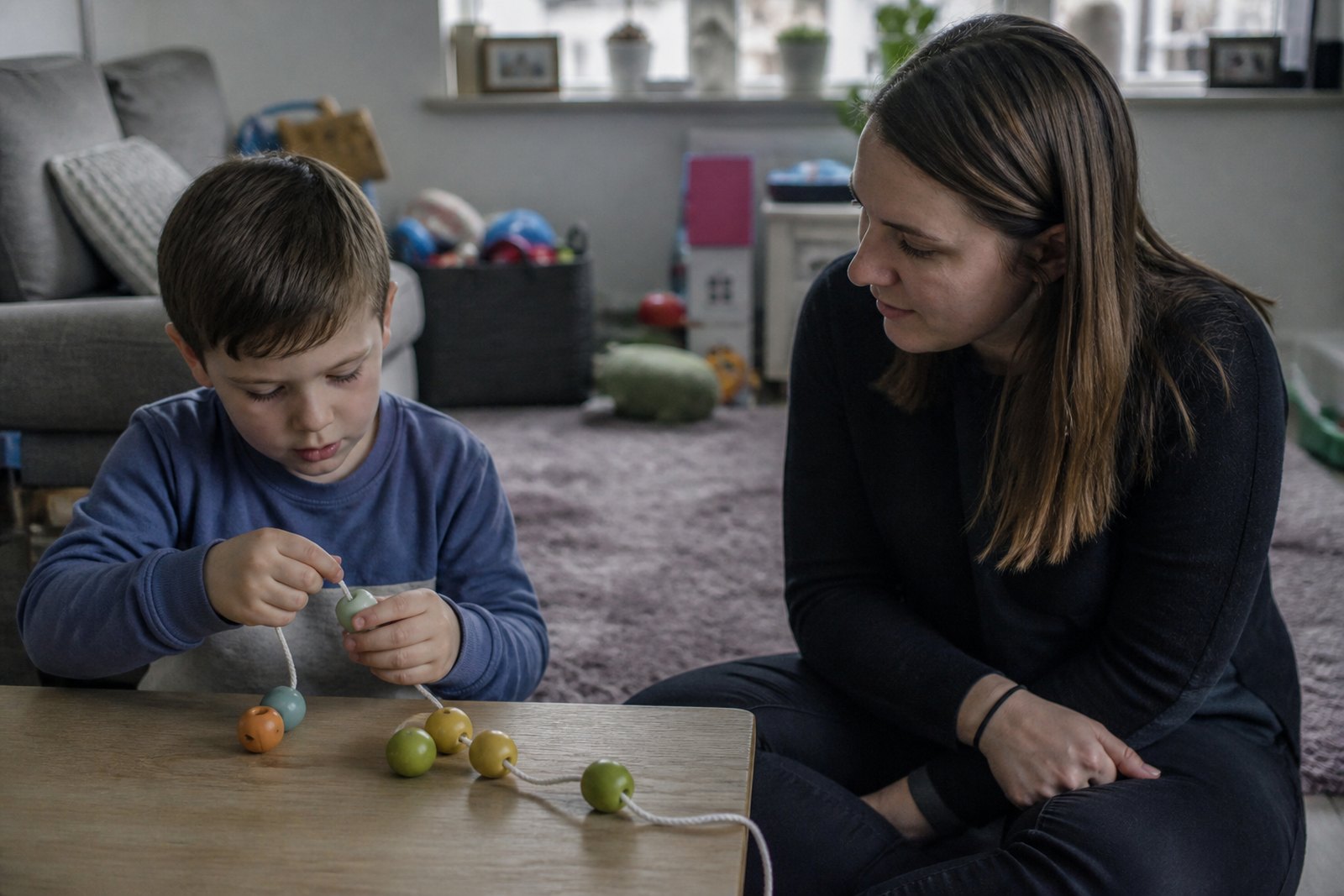
Paediatric occupational therapy is one of the most distinct branches of the profession - a genuinely different way of working from adult OT, built around how children develop, play and learn. This guide explains what it covers, common reasons families seek it out, and what a typical assessment involves.
What paediatric occupational therapy focuses on
For children, "occupation" means the activities that make up childhood: play, self-care tasks like dressing and eating, participating in school, and building the physical, sensory and social-emotional skills that underpin all of these. A paediatric occupational therapist looks at what a child needs and wants to do, at their stage of development, and works out what's making that harder - and what would help.
Common reasons families seek paediatric OT
- Fine motor difficulties - struggling with handwriting, using cutlery, doing up buttons or zips, or manipulating small objects
- Gross motor difficulties - coordination, balance, or general physical confidence compared to peers
- Sensory processing differences - being over- or under-sensitive to noise, touch, movement or other sensory input, affecting participation in everyday activities
- Self-care skills - dressing, feeding, toileting skills developing more slowly than expected
- School participation - difficulty settling, concentrating, or managing the physical and sensory demands of a classroom
- Developmental delay more broadly, where several areas of development are progressing more slowly than typical
See our dedicated guides to sensory processing differences and developmental delay for more detail on these two particularly common areas.
What a paediatric OT assessment involves
Assessment for children is deliberately built around play and natural activity rather than formal testing alone - a paediatric OT will often observe a child during play, self-care tasks, or structured activities, alongside talking with parents or carers about what's been noticed at home and, where relevant, at school. This gives a much richer picture than a clinical setting alone could provide, and is part of why home-based paediatric OT visits, through our children's OT service, can be particularly valuable - seeing a child in their own, familiar environment.
How paediatric OT support typically works
- Play-based intervention, building specific skills through activities a child genuinely enjoys, rather than repetitive drills
- Environmental adjustments, both at home and, where appropriate, working with schools on classroom set-up or sensory considerations
- Equipment and tools - from pencil grips to specialist seating - matched carefully to the specific child and task, via our sensory needs assessment service where relevant
- Parent and carer strategies, so progress made in sessions can be supported and reinforced day to day at home
Working alongside school and other professionals
Paediatric occupational therapy often works best as part of a wider picture, alongside school staff, and sometimes speech and language therapists, physiotherapists, or paediatricians, depending on the child's needs. A good paediatric OT will be comfortable communicating with school staff, with parental consent, to help translate recommendations into the classroom setting where that's relevant.
What families can expect to take away
After an assessment, most families receive a clear, written summary of what was observed and what's recommended, translated out of clinical language into practical, everyday terms. This might include specific activities to try at home, environmental changes such as a quieter space for homework or a particular seating set-up at the table, or equipment recommendations matched to your child's specific needs. Where ongoing sessions are recommended, your paediatric OT should explain roughly what these will involve and how progress will be reviewed, so the plan feels collaborative rather than something simply handed down.
A note on diagnosis
Occupational therapy does not diagnose conditions such as autism, ADHD or specific developmental disorders - that sits with paediatricians, psychologists, or specialist diagnostic teams. What paediatric OT can help with is the practical, functional side of a child's everyday skills and participation, whether or not a formal diagnosis is in place or being pursued. Many families begin paediatric OT support while a diagnostic process is ongoing, or even before one has started, simply because a specific everyday skill needs support.
When to seek paediatric OT support
There's no need to wait for a crisis point or a formal referral. Common, entirely reasonable triggers include a teacher raising a concern, a child seeming to struggle more than peers with a specific everyday skill, or parents simply noticing that certain activities - getting dressed, managing cutlery, coping with certain textures or noises - are consistently harder than expected for their age. If you're ever concerned about broader developmental progress, it's also worth discussing this with your GP or health visitor alongside seeking OT support.
Frequently asked questions
What age range does paediatric occupational therapy cover?
Paediatric OT typically covers from infancy through to the late teenage years, with the specific approach and activities adapted considerably to the child's age and developmental stage throughout.
Do I need a diagnosis before accessing paediatric OT?
No - many families access paediatric occupational therapy based on specific, observed difficulties, without a formal diagnosis in place. An OT can support functional skills regardless of whether a diagnostic process is happening in parallel.
Will paediatric OT involve my child's school?
Where it's helpful and with your consent, yes - many paediatric OT recommendations translate well into a classroom setting, and communication with school staff can support consistency between home and school. This is always discussed with you first, not done automatically.
Next steps
If you're considering support for your child, find your local occupational therapist via our areas we cover page, or see our prices page for current guide pricing.
Talk to an occupational therapist near you
This guide is general information. For advice about your own situation - or someone you look after - a local occupational therapist can visit you at home and see it for themselves.
Choose your area: