

Occupational Therapy for Sensory Processing Differences
Sensory processing differences - often called sensory processing disorder, or SPD - mean the brain takes in everyday sensory information like sound, touch, movement and light differently. Ordinary environments can feel overwhelming, or some sensations barely register at all. Occupational therapy offers practical, individual strategies rather than a one-size-fits-all approach.
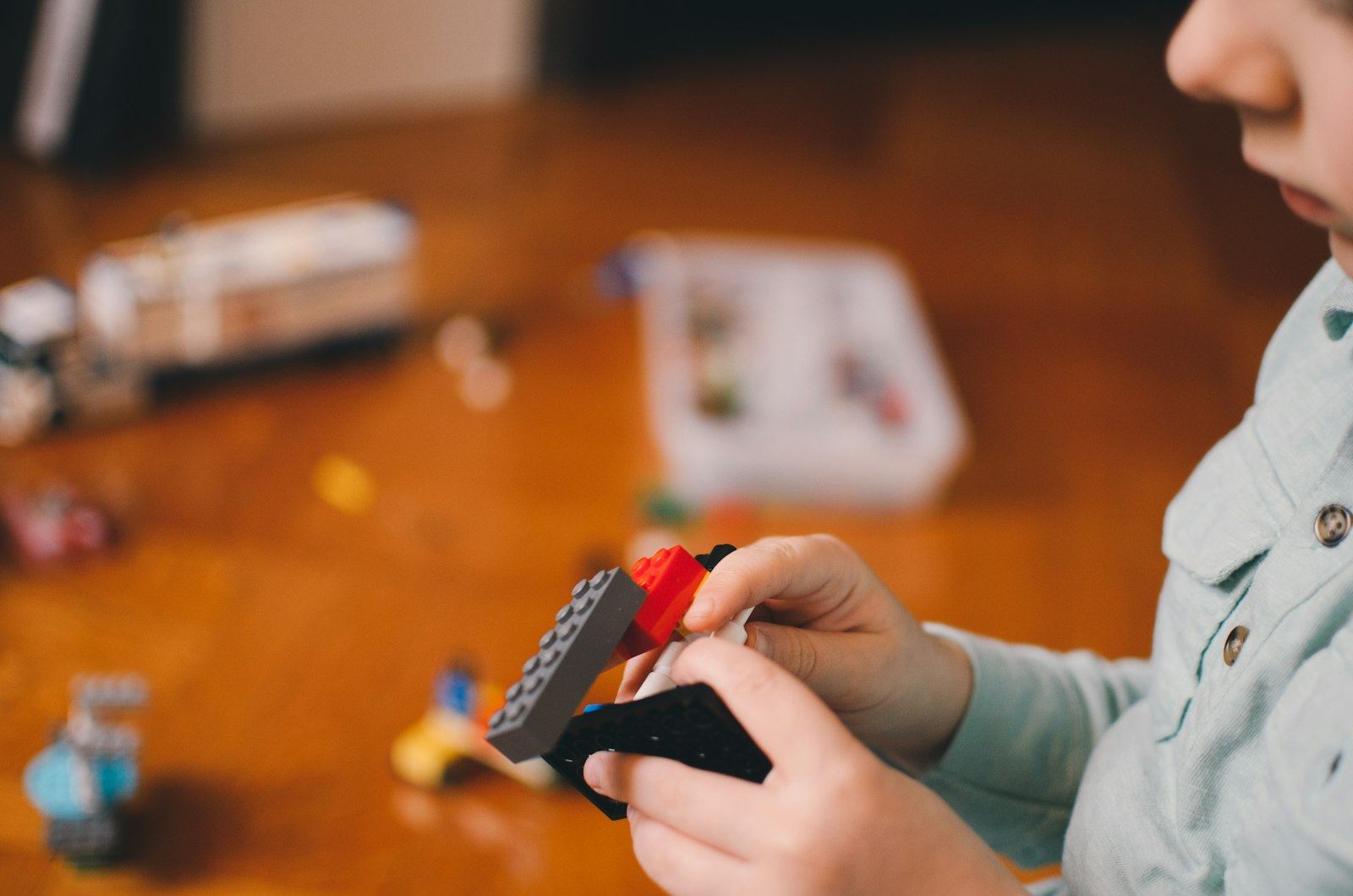
What Sensory Processing Differences can mean for daily life
You will see this described in two ways. Sensory processing disorder, or SPD, is the term most people search for and the one you will meet most often online, in parent groups and in some professional writing. We say sensory processing differences on this page because SPD is not a formal diagnosis in the UK - it does not appear in the diagnostic manuals the NHS uses, and no occupational therapist can diagnose it. The two phrases describe the same thing, and nothing on this page depends on which one you use.
Sensory processing differences can affect children and adults, and show up in very individual ways: sensitivity to certain textures, sounds or lights that others don't notice; difficulty filtering background noise; seeking out movement or pressure; or finding everyday environments like supermarkets or school assemblies genuinely overwhelming.
Because these differences aren't always visible, they're sometimes mistaken for behavioural choices rather than a genuine difference in how sensory information is processed - which can make daily situations, and explaining them to others, harder than they need to be.
How a home OT visit can help
Understanding individual sensory needs
An occupational therapist starts by understanding your (or your child's) specific sensory profile - what's overwhelming, what's calming, what's under-registered - rather than applying a generic sensory checklist.
Practical strategies for daily routines
Simple, individual strategies - movement breaks, sensory tools, adjusting timing or environment around particularly demanding parts of the day - can make a real difference to how manageable everyday routines feel.
Adapting the home environment
Small changes to lighting, noise, textures and layout at home can create a calmer base, making it easier to cope with more challenging sensory environments elsewhere.
Supporting school and family understanding
Where useful, an OT can help translate what's been found into practical strategies that family members, and school where relevant, can understand and support consistently.
What an assessment involves
A sensory-focused home assessment starts with a conversation about which situations feel hardest - specific environments, times of day, textures or sounds - and what a good day currently looks like.
The therapist observes how sensory input is being managed day to day, at home and where relevant in other settings you describe, and puts together a written, practical set of strategies and, where appropriate, sensory tools or environmental adjustments.
Equipment and home adaptations that can help
- Sensory tools such as weighted items, fidget or chew tools, and noise-reducing headphones matched to individual need
- Practical adjustments to lighting, noise and texture in key rooms
- Visual routines and timers to support transitions between activities
- Movement-based equipment where seeking movement is part of the sensory profile
When to seek medical help: Sensory processing differences are not a medical diagnosis in themselves, and occupational therapy can help with practical strategies regardless of whether a formal diagnosis (such as autism or ADHD) is in place or being pursued. If you have concerns about your child's broader development, or about a significant change in sensory response, it's worth discussing with a GP or health visitor alongside occupational therapy support.
Find local support for Sensory Processing Differences
Find your local occupational therapist and see current pricing for a home visit, or contact the office if you're not sure where to start.
Related services
More condition support
Frequently asked questions
Is sensory processing disorder a real diagnosis in the UK?
Not a formal one. SPD is not listed in the diagnostic manuals the NHS works from, so a GP or paediatrician will not usually give it as a diagnosis on its own, and an occupational therapist cannot diagnose it either. What an OT can do is assess how sensory information is actually being processed day to day and put practical strategies in place. The difficulties are real and well recognised, whatever the label.
Can we get help for sensory processing on the NHS?
It varies a great deal by area. Some NHS services offer sensory assessment as part of a wider paediatric or mental health pathway, many do not offer it as a standalone service, and waiting times differ widely. It is worth asking your GP or existing team what is available locally before assuming either way.
Is this only for children?
No - sensory processing differences affect adults too, and occupational therapy strategies can be adapted for any age. Many adults find practical sensory strategies genuinely useful, whether or not they have a formal diagnosis.
Do we need an autism or ADHD diagnosis first?
No - occupational therapy for sensory processing differences doesn't require a formal diagnosis. Many families get in touch because specific situations feel overwhelming, well before or entirely separate from any diagnostic process.
Will this help with meltdowns or shutdowns?
Understanding and addressing sensory triggers is often part of reducing how often meltdowns or shutdowns happen, though an OT will look at the whole picture - sensory, environmental and communication factors together - rather than treating it as a single sensory fix.
Can you work with our child's school as well as at home?
An occupational therapist can put together practical strategies and information that you're welcome to share with school, though direct school liaison depends on what's agreed with your individual therapist.