

Guillain-Barre Syndrome Recovery at Home: Fatigue and Daily Life
By Mobile Occupational Therapist • 4 November 2026 • 16 min read
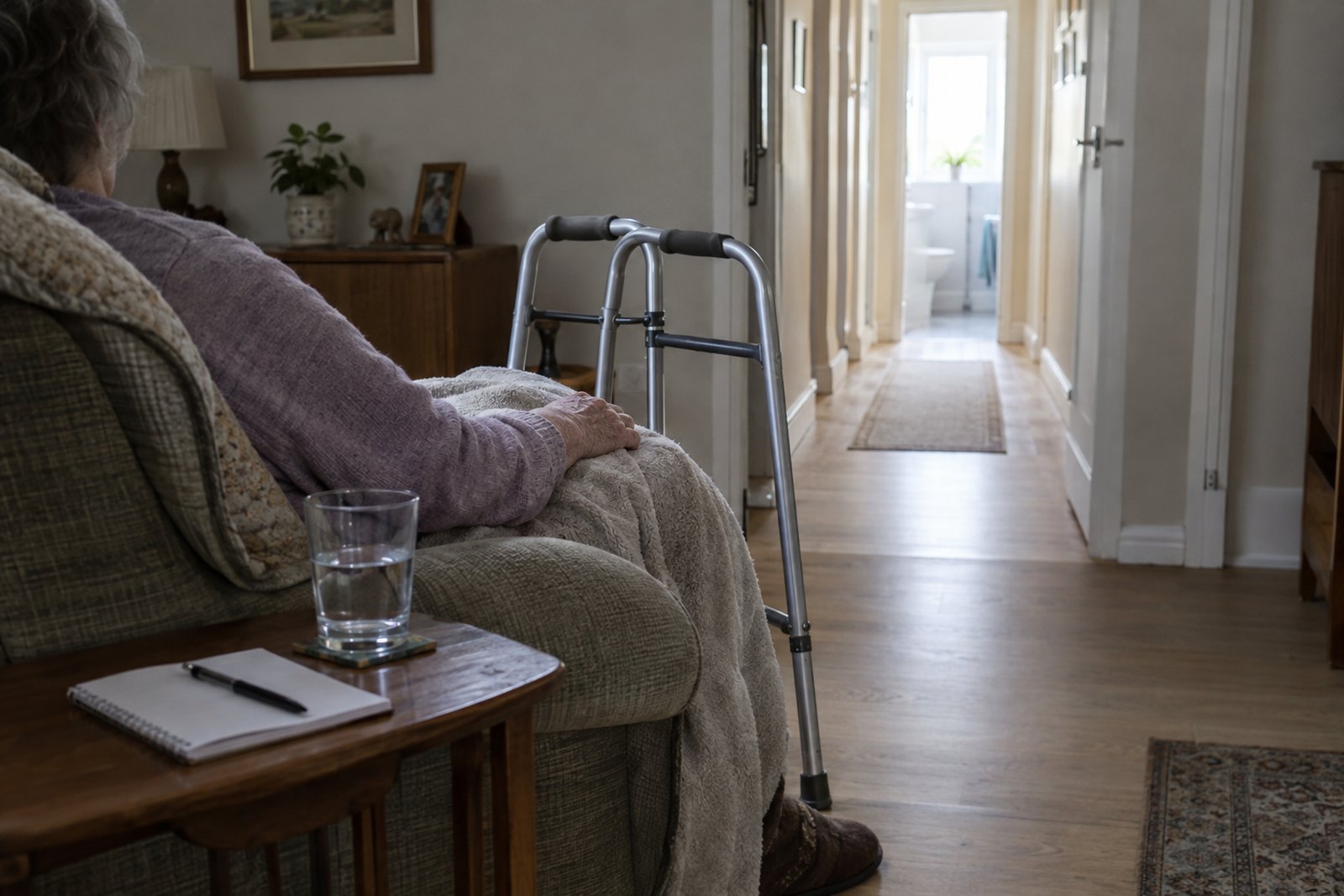
Guillain-Barre syndrome (GBS) can turn life upside down fast. Coming home after a long hospital stay is a relief, but it can also be frightening. You might look "better" but still feel weak, wobbly, numb, exhausted, or all of the above. That is a very normal place to be in recovery.
Recovery after GBS is highly individual. There is no reliable timeline that applies to everyone, and progress often comes in lurches. Your hospital team and GP should lead on medical questions. This article focuses on day to day living at home: how to pace fatigue, reduce falls and burns risk, make washing, dressing and meals manageable, and plan a gradual return to work when you are ready.
coming home after a long admission: what matters in the first week
After GBS, people often come home with less strength, less sensation, and less stamina than they expect. If you were in hospital for weeks, your routines, confidence and muscle strength will have taken a hit too.
If you are about to be discharged, or you are home and it feels chaotic, it helps to go back to basics. The discharge process is not just about a lift home. It is about getting the right support in place. If you want a clear overview of what should happen, read coming home from hospital: a family's guide to discharge planning.
a practical checklist for your first days at home
- Make one room easy. Set up a "base" with a comfortable chair, drinks, snacks, phone charger, tissues, any paperwork, and a place to rest your feet. Recovery is easier when you are not trekking around the house.
- Reduce trips up and down stairs. If you have stairs, create two stations if you can: essentials upstairs and essentials downstairs. Carrying things on stairs is a common way people fall when legs are weak.
- Plan washing before you need it. Decide how you will wash and use the toilet safely before you are overtired. A strip wash at the sink or at the bedside can be a sensible short term solution.
- Ask for help early. If family or friends offer, be specific. "Can you pick up shopping and put it away" is more useful than "I am fine".
- Know who to call. Keep the ward number, specialist nurse contact (if you have one), GP number, and NHS 111 details where you can find them.
If you live alone, consider what happens if you fall or cannot get to a phone. A personal alarm can be worth discussing, and your local council adult social care team can advise on support options.
fatigue after GBS: why it happens and what actually helps
For many people, fatigue is the hardest part of GBS recovery. It is not just "tired". It can feel like your body runs out of power suddenly, or that you need a long rest after something that used to be easy, like showering or making toast.
One frustrating truth is that pushing through often backfires. You can end up needing a full day to recover from one busy morning. Pacing sounds dull, but it is the difference between gradually building your life back and living in a boom and bust cycle. The approach in fatigue management and pacing: a practical guide is a good starting point, even though the causes of fatigue can vary.
pacing, in plain English
- Work out your "baseline". Pick one or two everyday tasks (for example, showering and making lunch). Do them at a level you can repeat most days without a crash. That is your starting point, not your goal.
- Use planned rests, not emergency collapses. Rest before you are wiped out. Ten minutes resting can be more restorative than an hour slumped in a chair. If you feel breathless lying flat or you have any swallowing problems, rest propped up instead and get medical advice.
- Spread heavy tasks out. Wash on one day, paperwork on another, visitors on another. Yes, it is boring. It is also how you get through the week.
- Change how you do tasks. Sit to wash, sit to prepare food, use a trolley or bag to move items. Saving energy is not cheating, it is rehabilitation.
- Keep a simple diary for a couple of weeks. Note what you did and how you felt later. Patterns appear. Then you can plan around them.
If fatigue feels extreme, sudden, or different from your usual pattern, speak to your GP. Some problems (for example, low mood, sleep issues, infection, anaemia, medication side effects) can worsen fatigue and may be treatable.
weakness and numbness: the safety issues people miss
GBS often leaves people with a mix of muscle weakness and altered sensation, especially in the feet and hands. That combination creates a few predictable risks at home.
hot water and burns
If you cannot reliably feel temperature (hands, feet, or both), you are at higher risk of burns and scalds. Be cautious with:
- Bath and shower water. Run it cool first, then warm. If your sensation is reduced, use a bath thermometer and keep it on the cooler side, or ask someone else to check before you get in. If you are unsure, keep it on the cooler side.
- Hot drinks and pans. Use stable cups, avoid carrying hot liquids far, and consider sitting down to pour and drink.
- Hot water bottles and heated pads. If you cannot feel heat properly, these can cause burns without you noticing. Discuss safer options with your team.
foot care when sensation is reduced
With numb feet, small injuries can go unnoticed. A simple routine helps:
- Check your feet daily. Look for redness, blisters, cuts, swelling, or pressure marks. If you cannot see the soles easily, use a mirror or ask someone to check.
- Keep skin clean and dry. Dry carefully between toes. If you have broken skin, ask your pharmacist or GP for advice.
- Wear supportive footwear indoors. Loose slippers can be a trip hazard when your ankles are weak. Choose something that fits securely and has a non-slip sole.
- Be cautious with toenail cutting. If you cannot feel pain normally or you cannot reach safely, ask for help rather than forcing it.
If you notice increasing swelling, heat, redness, new pain, or a wound that is not healing, speak to your GP. If you have diabetes or circulation problems as well as numbness, get advice early.
falls risk with weak legs and slow reactions
Early in recovery, you might be strong enough to stand but not strong enough to recover if you wobble. Small changes reduce falls:
- Clear clutter and trailing leads from main walkways.
- Keep a light on for night trips to the toilet.
- Use the banister every time on stairs, and avoid carrying items in your hands while you do.
- Stand up slowly, especially if you feel lightheaded.
- If you use a walking aid, use it consistently. Most falls happen when people "just pop" without it.
making everyday tasks doable again
In GBS recovery, the aim is usually not "do everything like before". Not yet. It is "do the important things safely, without wiping yourself out". Below are common problem areas and practical ways to make them easier.
washing and toileting
- Start with the safest option. If showering is exhausting or unsteady, a strip wash is a valid plan. Clean, dry, dressed and safe beats an ambitious shower followed by a near fall.
- Sit whenever you can. Sitting to wash at the sink, or using a shower chair or stool, saves energy and reduces falls risk.
- Think about transfers. Getting on and off the toilet can be harder than walking down the hall. A temporary raised seat or frame can help, but it needs to be the right height and fit.
- Plan privacy without risk. If you are unsteady, consider having someone in the house when you shower. You can keep the door unlocked and ask them to check in at a set time.
dressing when hands and legs are weak
Dressing can take a surprising amount of grip, balance and stamina. These changes often help:
- Dress sitting down. It reduces falls risk and makes it easier to manage weak legs.
- Choose easy clothing. Loose layers, stretchy waistbands, front opening tops, and shoes that do not need fiddly fastenings can reduce frustration.
- Use simple techniques. Lay clothes out in order. Dress the weaker leg or arm first (if one side is worse), then the stronger side.
- Consider basic dressing aids. Things like a long-handled shoehorn, a sock aid, or a button hook can be useful when fingers are numb or grip is weak. The right choice depends on what movements you can do comfortably.
meals and the kitchen
Kitchen tasks combine standing, lifting, heat, sharp objects and time pressure. A few safer patterns:
- Sit to prepare food. A stable high stool or perching stool can reduce fatigue and wobbliness while still keeping you close to the worktop.
- Set up the kitchen for recovery. Keep everyday items between hip and shoulder height so you do not have to bend or reach.
- Reduce carrying. Slide items along the worktop. Use a trolley to move heavier things if needed.
- Respect hand numbness. If you cannot feel a knife properly, use safer preparation methods and ask for help with chopping.
- Batch the right things. If you are going to spend energy cooking, make it count by preparing more than one portion, then rest.
stairs and moving around the house
Stairs are often the biggest barrier at home. If you have to use them, these points matter:
- Use the banister. If there is only one rail and you feel unsafe, speak to your landlord or consider a referral for an adaptations assessment.
- One step at a time if needed. Some people manage better taking one step, bringing the other foot to meet it, rather than alternating.
- Take breaks. There is no rule that says you have to do the whole flight in one go. If there is a safe place to pause, use it.
- Do not carry laundry baskets. This is a classic fall. Break loads up, use a bag you can wear, or ask for help.
If you cannot manage stairs safely, tell your GP or therapy team. Sometimes temporary arrangements (sleeping downstairs, using a commode overnight) are a sensible bridge while strength returns.
equipment that can help during recovery (and can go back later)
In GBS recovery, equipment is often temporary. It buys you safety and independence while nerves and strength improve. It can also save your energy for rehabilitation rather than for battling the basics.
If you want a simple overview of common options, occupational therapy equipment for daily living explains what different items are for, in plain English.
common short term equipment people use after GBS
- Mobility aids such as sticks, crutches, walking frames or wheeled walkers, chosen to match your balance and strength.
- Bathroom equipment such as shower chairs, bath boards, toilet frames, raised toilet seats and grab rails (rails need to be positioned properly to be safe).
- Bedroom support such as bed levers, leg lifters, or wedges for positioning, if turning and getting in and out of bed is difficult.
- Seating support such as a firm chair with arms and the right height, so standing up does not become a dangerous struggle.
- Kitchen support such as a perching stool, trolley, lightweight cookware, and non-slip matting to compensate for weak grip.
Before buying anything expensive, ask about loan equipment. In many areas, short term equipment can be provided through NHS or council services after an assessment, and then collected when it is no longer needed. If you do buy items, keep receipts and consider whether it can be returned if it is not suitable.
Do not guess with items that affect safety, especially bathing equipment, bed rails, transfer equipment or anything that changes how you stand. The wrong item can make falls more likely.
returning to work, driving and other normal-life milestones
Getting back to work after GBS is not only about strength. It is also about fatigue, concentration, sensation in hands and feet, and how predictable your symptoms are day to day. Many people need a staged plan.
A phased return is often more successful than a sudden jump back to full hours. This is not about being precious. It is about avoiding setbacks. Phased return to work: how it works and how to plan one explains how to structure it and what to discuss with your employer.
work adjustments that often help after GBS
- Shorter hours at first, with rest breaks that are protected in the diary.
- Later start times if mornings are slow or stiff.
- Temporary changes to duties, especially if your job involves manual handling, climbing, driving, or long periods on your feet.
- Working from home some days if commuting wipes you out.
- Practical changes for hands, such as voice dictation, altered equipment, or reduced typing time if sensation is altered.
If you have occupational health through work, ask for a referral. If you do not, your GP can provide fit notes and can advise on whether a return now is sensible.
Driving is a separate question. If your feet are weak or numb, your reaction time and pedal control may not be safe. If your hands are weak, steering and emergency manoeuvres may be affected. Your medical team and insurer should be part of that conversation. Check DVLA rules on GOV.UK (search for medical conditions and driving) and tell the DVLA if required, for example if symptoms affect your driving and are likely to last more than 3 months.
the emotional impact: when recovery is not linear
GBS can be traumatic. People often describe a mix of relief, anger, grief, guilt, fear of relapse, and frustration at how slow day to day progress feels. Family members can feel as if they have to be "the positive one" all the time, which is exhausting.
Emotional strain can show up as tearfulness, irritability, poor sleep, low appetite, or feeling flat and detached. None of this means you are failing at recovery. It means you are a human being who has been through a frightening illness.
what can help in real life
- Name the hard bit. "I can walk to the kitchen, but showering floors me" is a clearer problem to solve than "I'm not getting better".
- Keep goals small and functional. Focus on what matters: getting washed safely, making lunch, sitting outside for ten minutes, doing a school run with help.
- Use support that fits. Some people want counselling, some want peer support, some want practical help. The right kind of support is the one you can actually use.
- Talk to your GP if mood is slipping. Low mood and anxiety are common after serious illness and there is help available.
Many people also find it helpful to connect with a specialist charity for information and community. GAIN (Guillain-Barre and Associated Inflammatory Neuropathies) is the main UK charity, and they can be a good starting point for reliable resources.
where occupational therapy fits (and where it does not)
GBS is a neurological condition, and your medical team leads your medical care. Physiotherapy often focuses on strength, gait and balance. Occupational therapy focuses on function: how you manage everyday activities safely and with less effort.
A private occupational therapist visiting at home can help you:
- Work out what is making tasks hard (weakness, numbness, fatigue, balance, fear of falling, layout of the home) and build a practical plan.
- Problem-solve washing, dressing, toileting, cooking and stairs in your actual environment, not in theory.
- Recommend and trial equipment and minor adaptations, and explain how to use them safely.
- Set up pacing strategies that work with your routine, including a realistic weekly structure.
- Support a return to roles that matter to you (parenting, work, hobbies, getting out).
- Write functional reports if you need evidence for work, education, or funding discussions.
Occupational therapy is not a substitute for urgent medical review. If your symptoms change suddenly, you still need medical advice. It is also not hands-on strengthening in the same way physiotherapy is. A good rehab plan often includes both.
Frequently asked questions
How long does Guillain-Barre syndrome recovery take?
It varies widely. Some people improve quickly, others take much longer, and recovery can be uneven with good weeks and difficult weeks. Your neurology and rehabilitation team are best placed to discuss what to expect in your situation, based on your pattern of symptoms and progress so far.
Why am I still so tired now I'm home?
Fatigue after GBS can persist even when strength is improving. Daily tasks may also take far more effort than they used to, especially if you are concentrating hard to keep your balance or manage numbness. Pacing, planned rests and adapting tasks are often more effective than trying to push through.
Is numbness in my hands and feet normal during recovery?
Altered sensation is common in GBS and can linger. The key is safety: protect hands from heat and sharp objects, and check feet daily for skin damage you might not feel. If numbness is new, worsening, or comes with new weakness, speak to your medical team promptly.
When should I call 999?
Call 999 if you have new or worsening weakness that is progressing, trouble breathing, or problems swallowing. Do not try to wait it out. If you are unsure but concerned, you can also contact NHS 111 for urgent advice.
What equipment is most useful after GBS?
The most useful equipment is the item that makes your specific risky task safe. Common examples are shower seating, toilet support, a stable chair at the right height, and a suitable walking aid. Because needs change as you recover, it is often best to borrow or use short term solutions rather than buying expensive items too early.
Can I go back to work before I'm fully recovered?
Sometimes, yes, with a staged return and adjustments. The decision depends on fatigue, safety, your job demands, and whether symptoms are predictable. A phased return, agreed duties, and planned breaks can make work possible without derailing recovery. If work feels impossible or unsafe, speak to your GP and employer rather than forcing it.
Next steps
See our neurological occupational therapy page, or current guide prices, and choose your area below.
Talk to an occupational therapist near you
This guide is general information. For advice about your own situation - or someone you look after - a local occupational therapist can visit you at home and see it for themselves.
Choose your area: