

Direct Payments for Care: How They Work and What They Pay For
By Mobile Occupational Therapist • 29 October 2026 • 13 min read
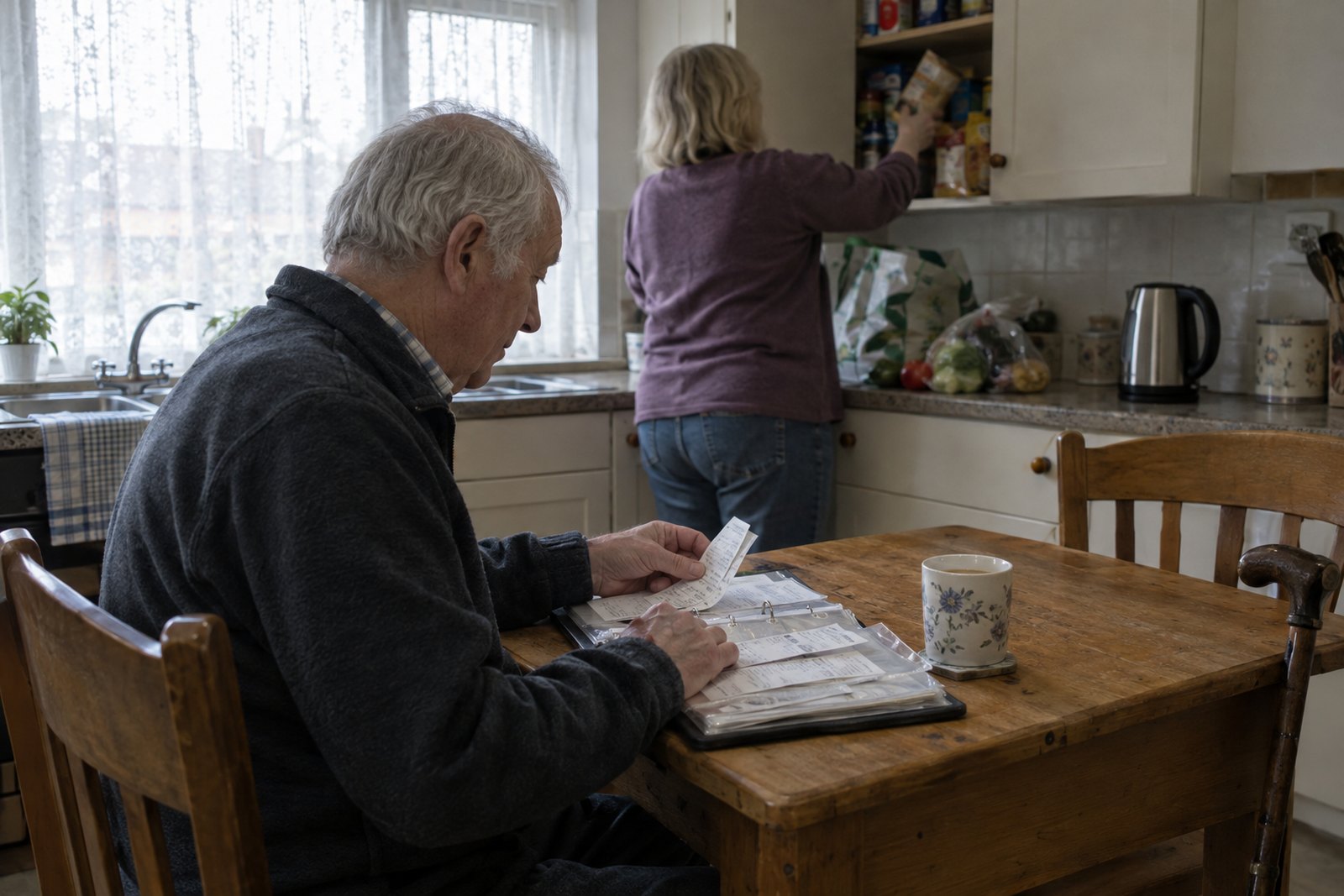
Direct payments are money from your council that you use to arrange your own care and support, instead of the council arranging it for you. You get them after a needs assessment shows you have eligible needs. The council works out a personal budget, which is the amount it thinks it will cost to meet those needs. A direct payment is one way of receiving that budget: paid into a separate bank account or onto a prepaid card, for you to spend on the support agreed in your care and support plan.
Most people use direct payments to employ a personal assistant or to pay a care agency they have chosen themselves. Some also use them for activities, short breaks or small items of equipment, if these are agreed in the plan. The trade-off is simple. You get more choice over who comes, when, and how they help. You also get more paperwork and, if you employ someone yourself, the legal responsibilities of being an employer. This guide covers how it works in England in detail, with a short note on Scotland, Wales and Northern Ireland further down.
Personal budget and direct payment: what is the difference?
The two phrases get used as if they mean the same thing. They do not. Everyone in England whose care is funded by the council has a personal budget. It is the figure in the care and support plan. What changes is who holds and spends the money. Broadly there are three ways:
- The council manages it. The council arranges and pays for your care directly. You still have a personal budget, you just never see the money.
- A third party manages it. An organisation, often a care provider, holds the money and arranges support with you. This is sometimes called an individual service fund. Not every council offers it.
- You take it as a direct payment. The money comes to you, or to someone acting for you, and you arrange the support.
You can also mix these. For example, the council might arrange a morning visit from an agency while you take the rest as a direct payment to employ someone for afternoons and outings.
Direct payments are not only for the person needing care. A family carer who has had a carer's assessment may be offered one to meet their own needs, and parents of disabled children can receive them too (more on that below). If the person needing care lacks mental capacity to manage the payment, the council can often make the direct payment to a "suitable person" (for example a family member, friend, attorney or deputy) to manage on their behalf, with the council's agreement.
How you get direct payments
There is no separate application. Direct payments come out of the normal council process for care and support.
- Ask for a needs assessment. Contact your council's adult social care team. Anyone who appears to need care and support is entitled to one, whatever their finances. Our guide to the Care Act needs assessment explains how to prepare.
- Eligibility is decided. The council checks whether your needs meet the national eligibility criteria.
- Financial assessment. The council works out whether you should contribute to the cost. If you do, your contribution is usually taken off the direct payment or paid into the account by you.
- Care and support plan. This sets out your needs, the outcomes you want and your personal budget.
- Ask for direct payments. Councils in England must tell you about them and should agree unless there is a good reason not to. If they refuse, they should explain why in writing.
- Set-up. You sign an agreement, open a dedicated account or receive a prepaid card, and the money starts arriving, often every four weeks.
- Review. The council checks how it is going, usually early on and then regularly after that. Ask your council how often it reviews.
What direct payments can pay for
The rule of thumb is that the money must be spent on meeting the needs and outcomes in your support plan. Within that, there is often more flexibility than people expect. Common uses include:
- A personal assistant you employ to help with washing, dressing, meals, getting out and about or household tasks linked to your needs
- A home care agency of your choice
- Day activities, clubs or classes that meet an agreed outcome, such as reducing isolation
- Short breaks, including some short stays in a care home, to give a carer a rest
- Small items of equipment or technology, where they are agreed in the plan and are not available another way
- The costs of being an employer, such as payroll services and insurance, which councils usually build into the budget
What direct payments usually cannot pay for:
- Long-term care home placements in England
- Services provided by the council itself, unless the council agrees
- Major home adaptations, which normally go through a different route such as a Disabled Facilities Grant
- Everyday living costs like rent, food and bills
- NHS healthcare. If health needs are the main issue, look at NHS Continuing Healthcare, which can come with its own personal health budget
Basic equipment such as raised toilet seats or perching stools is often lent free through community equipment services, so councils will usually expect that route first. If you are unsure whether something counts, ask before you buy. Spending that is not in the plan can be asked back.
Employing a personal assistant
This is where direct payments really earn their keep, and where most of the work sits. A personal assistant, or PA, is someone you employ directly. You choose them, agree their hours, and decide how things are done. Many people find it transforms their care: the same familiar face, at times that suit, doing things the way they like.
What being an employer means
When you employ a PA, you are their employer in law, with the same basic duties as any other employer. In general terms that means:
- Checking they have the right to work in the UK
- Giving them a written statement of their terms, such as pay, hours, holiday and duties
- Paying at least the National Minimum Wage or National Living Wage for their age
- Paid holiday, and statutory sick pay or other statutory pay where it applies
- Running payroll through HMRC, including tax and National Insurance where due
- Workplace pension auto-enrolment if they qualify
- Keeping them safe at work, including thinking through moving and handling risks
- Following fair processes if things go wrong, including discipline and dismissal
That list can look alarming. In practice almost nobody does all of this alone.
Payroll, insurance and support services
Most councils fund or recommend a direct payment support service. These are often local organisations that help with recruitment, contracts, payroll and general employer questions. A payroll service works out wages, tax, National Insurance and pension contributions and handles the returns to HMRC, so you just make the payments.
Insurance matters. Most employers are legally required to have employers' liability insurance, and specialist policies for people employing PAs usually also include public liability cover and some help with employment disputes. Check with your council or support service what cover you need before your PA starts, and whether the cost is included in your budget.
Ask your support service about DBS checks too. The rules about which check you can request depend on the role, and they can tell you what applies. For moving and handling, the guide on safe moving and handling is useful background, but you and your PA should get practical training and a risk assessment from a suitably qualified professional, especially if you use equipment such as a hoist or the person is at risk of falls or injury.
Paying a family member
In England you generally cannot use direct payments to pay a spouse, partner or close relative who lives in the same household as you, unless the council decides it is necessary. Relatives who live elsewhere can often be employed as a PA. Each council applies this differently, so ask early, and get the agreement in writing.
Paying a care agency
If employing someone sounds like more than you want, you can use a direct payment to buy care from an agency instead. You still choose the agency, but they handle recruitment, rotas, training, sick cover and the employment side. It usually costs more per hour than a PA, so the same budget may buy fewer hours.
In England, agencies providing personal care should be registered with the Care Quality Commission, and you can read their inspection reports online. Get a written contract that sets out the hours, tasks, rates and notice period. Check invoices against the hours actually delivered. Missed or shortened visits are easy to miss on a busy week and they add up.
Keeping records and what the council checks
The council is responsible for making sure the money is spent on your care, so you will need to show your workings. Councils differ, but you can expect to be asked for:
- Bank statements or prepaid card transactions
- Receipts and invoices for everything you buy
- Payslips and timesheets for any PA
- Records of your contribution being paid in, if you make one
A simple folder with one section per month works well. Keep things for as long as your council asks, and keep payroll records for as long as HMRC requires. If money builds up unspent, the council may take some back or ask whether your needs have changed. That is not a punishment, but it is a sign the plan may need looking at. If your needs increase, ask for a review rather than quietly running short.
Direct payments for children
Parents of disabled children can receive direct payments from children's social care after an assessment of the child's needs. They are often used for short breaks, a PA to support a child to join in activities, or help at home. A parent carer's needs assessment looks at your needs as a carer alongside your child's.
Separately, if your child has an Education, Health and Care Plan, you can ask for a personal budget for some of the support in it. As children approach 18, adult social care should be involved so support does not stop suddenly at the transition.
Scotland, Wales and Northern Ireland
In Scotland, direct payments sit within Self-directed Support, where you choose from four options: a direct payment, choosing a provider that the council pays, letting the council arrange everything, or a mix. Wales has direct payments under its own social care law, with a strong emphasis on what matters to the person. In Northern Ireland, direct payments and self-directed support are arranged through your local Health and Social Care Trust. The principles are similar everywhere, but the details differ, so check with your own council or trust.
The pros and cons, honestly
The good:
- You choose who comes into your home
- Times and tasks can fit your life rather than a rota
- Continuity, with the same person who knows you
- Flexibility to use the budget creatively within the plan
The harder parts:
- Paperwork and record keeping every month
- Employer responsibilities if you take on a PA
- Finding cover when your PA is ill or on holiday
- Recruitment can be slow in some areas
- The budget may not stretch as far as you hoped
Direct payments suit people who want control and either have the energy for the admin or someone to help with it. They are not compulsory. If they stop working for you, you can ask the council to arrange care instead.
Where an occupational therapist fits
An occupational therapist does not decide your personal budget. That is the council's job, usually through a social worker or care assessor. Where an occupational therapist helps is in showing clearly what someone can and cannot do day to day, and why.
Needs assessments sometimes underestimate needs, especially when someone has a good day on the day, plays things down, or has problems that are hard to see, such as fatigue, memory difficulties or fluctuating conditions. A detailed functional assessment report from a private occupational therapist visiting at home can describe how long tasks take, what help is needed, the safety risks and what happens on bad days. You can share that with the council when you are assessed or ask for a review.
An occupational therapist can also help you get the most from a direct payment: suggesting equipment or simpler ways of doing tasks so your PA's time goes further, and advising on safe ways to help with moving, bathing and getting in and out of bed. For anything medical, your GP or the relevant specialist team leads. For disputes about the amount, a support service, an advocacy organisation or the council's complaints process is the place to go.
Frequently asked questions
Do direct payments affect my benefits?
Direct payments for social care are generally not treated as your income for benefits or tax, because the money is for your care. Your own benefits may be looked at in the council's financial assessment to work out your contribution. If you are unsure about your situation, check with the council or a benefits adviser.
Can I add my own money to a direct payment?
Yes, you can choose to pay for extra hours or something beyond what the plan covers, but check with your council before paying your own money into the direct payment account because some councils require you to keep the funds separate. The council should not make you top up to meet the eligible needs in your plan. If the budget does not cover them, ask for a review.
What happens if my personal assistant is off sick?
Plan for it before it happens. Some people use a back-up agency, a second PA, or family cover. Your support service can help you write a contingency plan, and the council should be told if the gap leaves you without essential care.
Can I stop direct payments and go back to council-arranged care?
Yes. Direct payments are a choice. Tell the council and they should arrange your support instead, though there may be a short gap while that is set up, and you will need to end any employment properly.
Can I pay my son or daughter to care for me?
If they live with you, usually only if the council agrees it is necessary. If they live elsewhere, they can often be employed as your PA. Ask your council for its policy in writing before you agree anything.
What if I think my personal budget is too low?
Ask the council to explain how it was calculated and request a review. Bring evidence of what daily life is really like, such as a diary of a typical week or a professional report. If that does not resolve it, use the council's complaints process, and in England you can then go to the Local Government and Social Care Ombudsman.
Next steps
If you need clear evidence of day-to-day needs for an assessment or review, see our functional assessments and reports page or our home assessment page, check current guide prices, and choose your area below.

Talk to an occupational therapist near you
This guide is general information. For advice about your own situation - or someone you look after - a local occupational therapist can visit you at home and see it for themselves.
Choose your area: