

Autistic Burnout: Signs, Recovery and Protecting Your Energy
By Mobile Occupational Therapist • 31 October 2026 • 14 min read
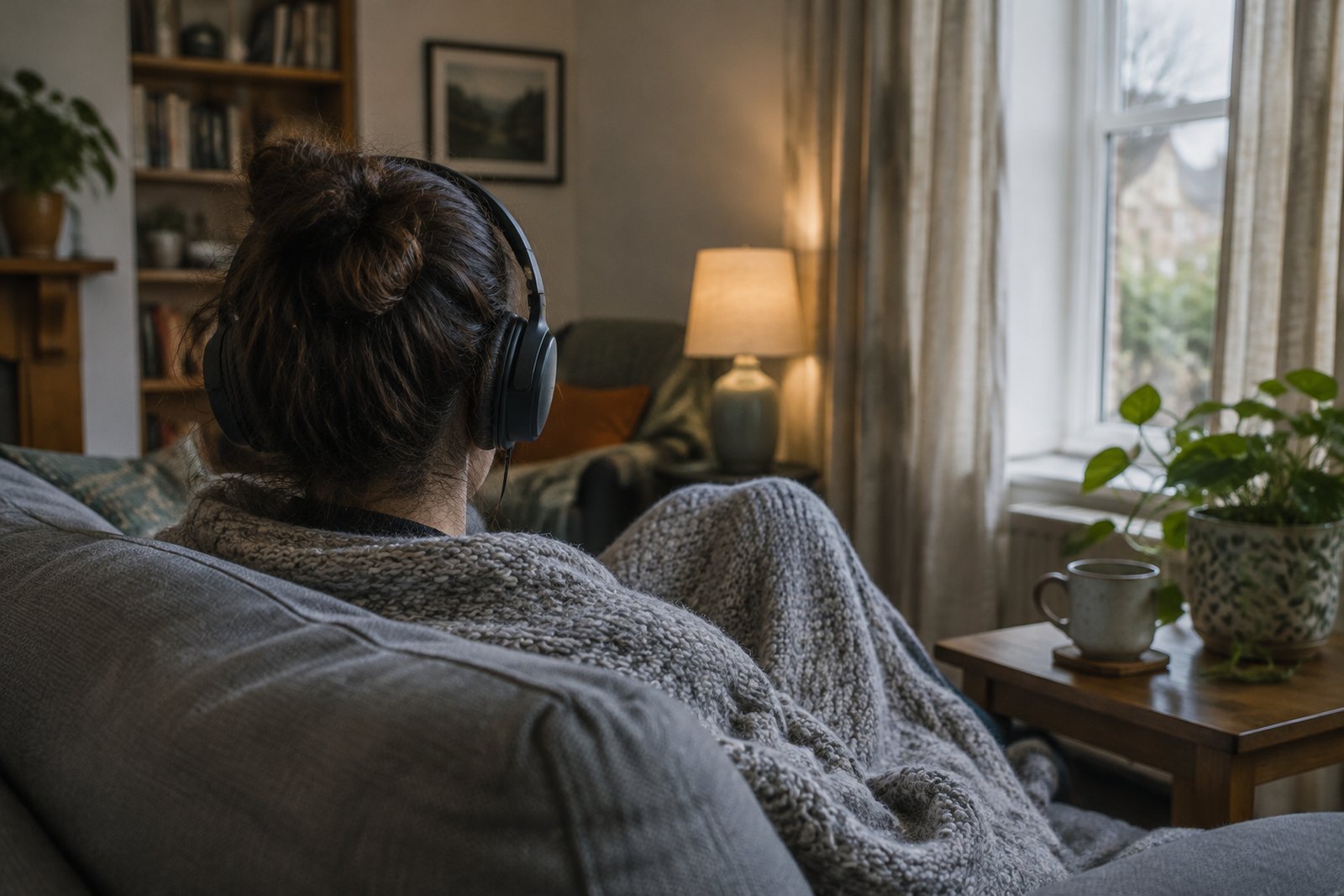
Autistic burnout is a state of deep, long-lasting exhaustion that many autistic adults describe after a long stretch of coping with more than they can sustain. It is not ordinary tiredness. People talk about losing skills they used to manage, such as cooking, speaking or keeping on top of the post, and finding that noise, light and touch become much harder to bear. It can last weeks, months or longer.
It is not a formal medical diagnosis. Most of what we know comes from autistic people describing their own experience, backed by a small but growing body of research, much of it carried out with autistic people. The good news, such as it is, is that recovery is often possible, although it can take time and the evidence on outcomes is still limited. It tends to come from reducing what is being demanded of you, giving your senses a rest and rebuilding slowly, rather than from trying harder. This guide is for autistic adults and the families who love them, and it does not assume you have a formal diagnosis.
What autistic burnout feels like
No two people describe it in exactly the same way, but three things come up again and again.
Exhaustion that sleep does not fix
This is the core of it. You sleep and wake up just as drained. A small task, like replying to a text or going to the shop, can leave you needing to lie down. Many people describe it as physical, mental and emotional all at once, as if the battery has stopped holding charge.
Losing skills you used to have
This is the part that frightens people most. Things that were manageable become hard or impossible for a while. Common examples include:
- Speaking less, or finding words come slowly or not at all, especially when tired or stressed
- Struggling with planning, starting tasks or remembering what you were doing
- Letting washing, cooking, shopping or personal care slide
- Finding it harder to manage emotions, with more shutdowns or meltdowns
- Being unable to keep up the social performance you normally manage at work or with family
These skills often improve again with rest and support, but if the change is sudden, severe or not improving, speak to your GP to rule out other causes. Losing them is not laziness and it is not regression in the sense of something being permanently lost.
Lower tolerance of sensory input
Sounds, lights, smells, textures and crowds that you could usually put up with become overwhelming. The supermarket becomes unbearable. Clothes you have worn for years start to feel wrong. Background noise at home is suddenly too much. If you already know you have sensory differences, you may find they are far more intense during burnout. Our guide to sensory processing differences in adults explains more about how this works.
Other things people describe
- Withdrawing from people, not out of sadness but because contact costs too much
- A sense of being far less able to cope with change or uncertainty
- Physical symptoms such as headaches, aches or getting ill more often
- Feeling that you no longer know who you are, particularly if you have masked for a long time
How it differs from depression, and where they overlap
Autistic burnout and depression can look similar from the outside. Both involve exhaustion, withdrawal and difficulty getting things done. Many autistic people are misread as depressed when they are burnt out, and some are told they are just burnt out when they are actually depressed. Both can happen at the same time.
Some differences autistic people often describe:
- In burnout, the things you love may still feel good if you have the energy for them. In depression, enjoyment itself tends to fade.
- Burnout often improves when demands and sensory load are reduced, but not always, and it can overlap with depression or physical illness. Depression may not lift just because life gets quieter.
- Feelings of guilt, worthlessness or hopelessness are more typical of depression, though burnout can lead there if it goes on long enough.
This is a rough guide, not a way to work it out on your own. If you are not sure, or if low mood, hopelessness or thoughts of not wanting to be here are part of the picture, speak to your GP. Depression is treatable, and treating it does not mean your burnout is not real.
What causes autistic burnout
Burnout tends to build when the demands on you stay higher than your capacity for a long time, without enough recovery. The things that commonly feed it include:
- Masking. Suppressing stims, forcing eye contact, rehearsing conversations, copying how others behave. It can become so automatic you do not notice you are doing it, but it uses a great deal of energy.
- Sensory overload. Open-plan offices, noisy homes, bright lights, commuting, busy shops. Daily, low-level exposure adds up.
- Change. A new job, moving house, a relationship ending, a bereavement, starting university, becoming a parent, or a change in routine you could not control.
- Demands. Work, study, caring, paperwork, social obligations, running a household. Often it is the sheer pile rather than any one thing.
- Not having your needs recognised. Being expected to cope like everyone else, without adjustments or understanding, especially if you are undiagnosed or late-diagnosed.
- Too little recovery time. Weekends and evenings spent catching up rather than resting.
Recovery: what actually helps
There is no single fix, and nothing here is a cure. But autistic people describe a fairly consistent set of things that help.
Cut demands, as far as you can
This is the big one, and the hardest. Make a list of everything you are currently expected to do. Then sort it into what genuinely must happen, what someone else could do, and what can stop or wait. Be honest. Most people find the second and third lists are longer than they expected.
Practical ways to reduce load:
- Switch to simple, repetitive meals for a while. If you eat the same meals most days, try to keep them reasonably balanced, and speak to a GP or dietitian if you have a medical condition, an eating disorder, or your diet is becoming very restricted.
- Use online shopping and delivery to avoid shops.
- Ask a trusted person to handle letters, phone calls or appointments for a few weeks.
- Say no to social events without long explanations. "I'm not well enough at the moment" is enough.
- Lower the bar on housework. A clear route through the kitchen and clean clothes is plenty.
Give your senses a rest
Sensory rest means deliberately cutting the amount of input your brain has to process. That might look like:
- A dim, quiet room you can retreat to, even if it is only part of a bedroom
- Ear defenders, earplugs or noise-cancelling headphones at home and when out, but take care in traffic or other situations where you need to hear for safety
- Sunglasses or a cap in bright places, and softer lamps instead of overhead lights
- Your most comfortable clothes, without worrying about how they look
- Time with no screens, no conversation and no expectation to do anything
Sensory rest is not the same as being on your phone. Scrolling can feel restful but it is still input. Notice what actually leaves you calmer afterwards.
Keep routines simple and predictable
Predictability reduces the number of decisions you have to make, and decisions cost energy. A loose daily rhythm for waking, eating, resting and sleeping can help. Visual reminders on the fridge or alarms on your phone can take the load off memory. Keep routines small enough that you can actually keep them on a bad day.
Unmask where it is safe
Unmasking means letting yourself stim, avoid eye contact, talk less, or say when something is too much. It is often described as one of the most important parts of recovery. It is also not always safe or possible everywhere, and you are the judge of that. Start where you can: at home, with one or two trusted people, or with autistic friends and communities. Even a few hours a day of not performing can make a real difference.
Pace rather than push and crash
A common pattern is to have a slightly better day, catch up on everything, then crash for several days. Pacing breaks that cycle. It means doing a steady, manageable amount each day, stopping before you are exhausted, and building up very gradually. The principles are the same ones used for other energy-limiting conditions, and our practical guide to fatigue management and pacing walks through how to set a baseline and plan rest.
Make room for things that restore you
Special interests, time in nature, animals, music, repetitive hobbies, being alone. These are not luxuries or rewards for getting things done. For many autistic people, they are how energy comes back. Protect time for them even when it feels like you should be doing something more useful.
How long recovery takes
Honestly, nobody can tell you. People describe anything from a few weeks to many months. Recovery is rarely a straight line, and going back to exactly the life that caused the burnout often leads straight back into it. Most people find they need to change something lasting: fewer commitments, different working arrangements, more sensory protection, or less masking.
For families: how to help without adding pressure
If your partner, adult child or parent is in burnout, it can be hard to watch. The instinct is to encourage them to get out more or get back to normal. Usually that makes it worse.
- Take tasks off them quietly, without making them feel like a burden.
- Keep the home calmer: lower the TV, warn before visitors arrive, let them eat separately if they need to.
- Ask closed, simple questions, or offer written options, if speaking is hard.
- Do not take withdrawal personally. It is about capacity, not about you.
- Watch for signs that low mood or hopelessness is setting in, and help them get support if it is.
If you are caring for someone in long-term burnout, you are entitled to look after yourself too, and it is worth asking for a carer's assessment (in Scotland this is called an Adult Carer Support Plan, and in Northern Ireland contact your local Health and Social Care Trust).
Work and study
Work and study are among the most common drivers of burnout, so adjustments here can make a big difference. Autism can count as a disability under the Equality Act 2010, which means employers, colleges and universities have a duty to make reasonable adjustments. You do not have to have a formal diagnosis to ask for changes, though the legal protection depends on meeting the definition of disability. GOV.UK has guidance on this.
Adjustments autistic people often find useful include:
- A quieter workspace, a fixed desk, or permission to wear headphones
- Working from home some or all of the time
- Written instructions and agendas rather than verbal ones
- Fewer or shorter meetings, with cameras optional on video calls
- Flexible hours to avoid rush-hour travel
- A phased return after time off, with reduced hours to start
- Extensions or spread-out deadlines at college or university
Our guide to reasonable adjustments at work explains how to ask and what to put in writing. For help with the rest of life, from cooking to managing money and appointments, see daily living skills for autistic adults and how to get support.
If you need time off, your GP can issue a fit note, and this can include suggestions such as altered hours or amended duties.
When to get help
You do not need to be in crisis to ask for support. See your GP if:
- Exhaustion has gone on for weeks and is not improving with rest
- You are struggling to eat, wash or look after yourself
- Low mood, anxiety or hopelessness are part of how you feel
- You think you may be autistic and want to explore an assessment
- You have physical symptoms you are worried about. Fatigue has many causes, and it is worth ruling out things like thyroid problems or anaemia.
It can help to write down what you want to say before the appointment, or ask if you can have a longer slot, a written follow-up or someone with you.
If you have thoughts of harming yourself or ending your life, please get help now. If you are in immediate danger, call 999 or go to A&E. You can call Samaritans free, day or night, on 116 123. You can also call NHS 111 for urgent advice and ask for urgent mental health support, although what is available varies across the UK. Our guide to getting mental health support in the UK explains other routes, including self-referral to talking therapies.
Where an occupational therapist fits
An occupational therapist does not diagnose autism or burnout, and is not a replacement for your GP, a mental health team or, where you need one, a psychologist or psychiatrist. A diagnostic assessment for autism is done through specialist services, usually after a GP referral.
What an occupational therapist can do is help with the practical side of everyday life while you recover and afterwards. A private occupational therapist visiting at home can:
- Look at your sensory environment and suggest specific changes to lighting, noise and layout
- Help you work out your sensory preferences and build them into your day
- Work with you on pacing, energy planning and realistic routines
- Break down tasks like cooking, washing or managing the house into steps that use less energy
- Write a report setting out recommended adjustments for an employer, college or university
- Help families understand what helps and what adds pressure
Good occupational therapy for autistic adults should work with you, not try to make you appear less autistic. It is reasonable to ask any therapist how they approach this before you book. You can read more on our sensory needs page.
Frequently asked questions
Is autistic burnout a real thing?
Yes. It is not a formal diagnosis, but it is widely described by autistic people and is increasingly recognised by researchers and clinicians. Not having an official label does not make the experience any less real or any less deserving of support.
Can you have autistic burnout without a diagnosis?
Many people realise they may be autistic only after a period of burnout. The strategies in this guide can help whether or not you have a diagnosis. If you want to explore an assessment, start with your GP.
How do I know if it is burnout or depression?
You may not be able to tell on your own, and they can overlap. A useful clue is whether things you enjoy still feel good when you have the energy for them, and whether reducing demands helps. If in doubt, speak to your GP, especially if you feel hopeless.
Should I stop working completely?
Not necessarily. For some people time off is essential; for others, reduced hours and adjustments are enough. Talk to your GP about a fit note and to your employer about adjustments. A phased return usually works better than going straight back to full hours.
Can autistic burnout be prevented?
Not always, but many people find the risk drops when they know their early warning signs, reduce masking where they can, protect sensory rest and leave spare capacity in their week. Noticing small losses of skill early, and cutting back then, often stops a full crash.
Is autistic burnout the same as an autistic meltdown?
No. A meltdown is a short, intense response to overwhelm. Burnout is a longer state of exhaustion. People in burnout may have more meltdowns or shutdowns, because their capacity is lower.
Next steps
If you would like practical help with your sensory environment, routines or work adjustments, see our sensory needs page, or current guide prices, and choose your area below.

Talk to an occupational therapist near you
This guide is general information. For advice about your own situation - or someone you look after - a local occupational therapist can visit you at home and see it for themselves.
Choose your area: