

Autistic Adults and Daily Living: Practical Help and Support
By Mobile Occupational Therapist • 14 October 2026 • 14 min read
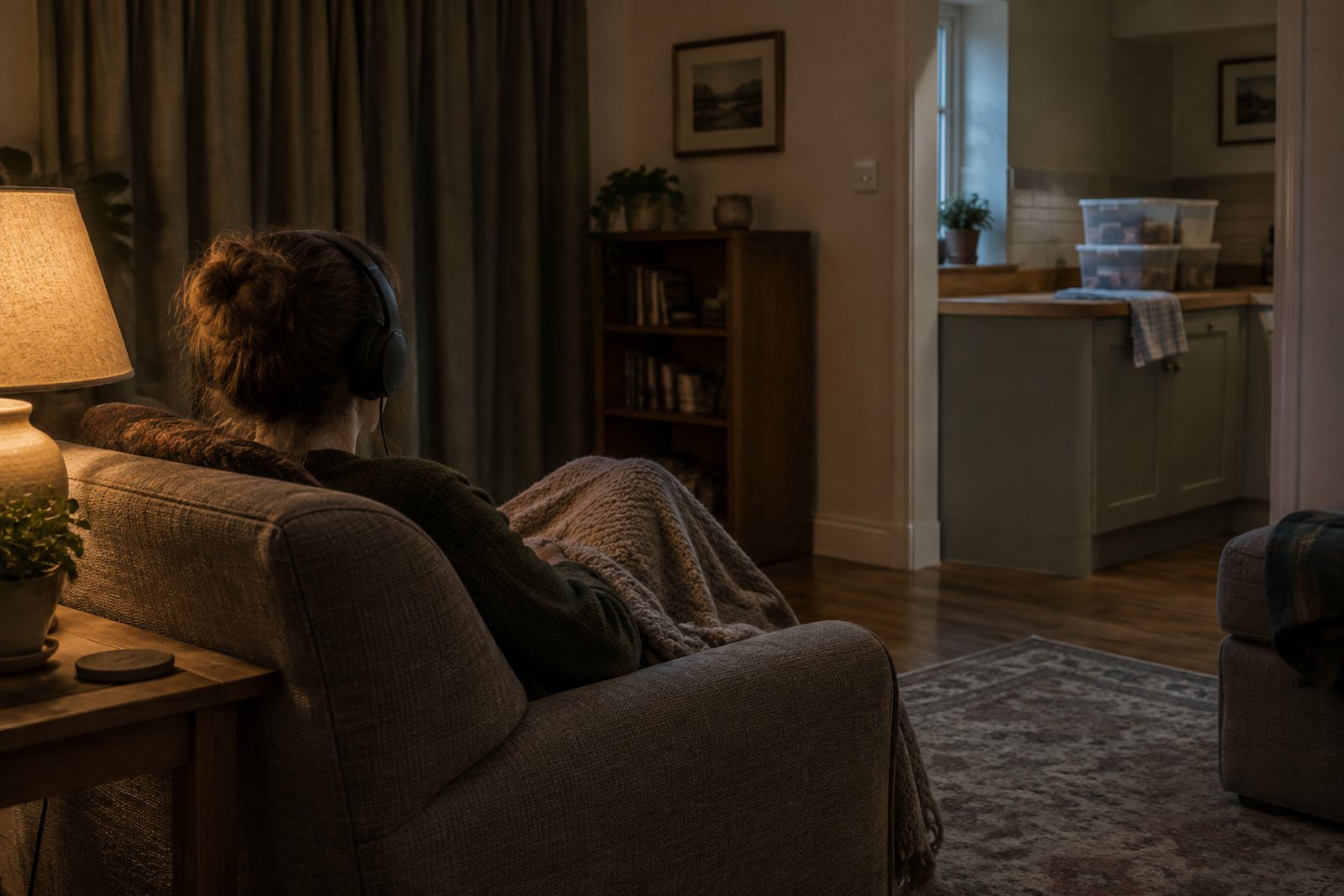
Plenty of autistic adults are clever, capable and good at their jobs, and still find the washing up, the post and the GP surgery close to impossible on some days. That is not laziness or a character flaw. Everyday tasks lean heavily on executive function (planning, starting, switching, remembering), on tolerating noise, light and smell, and on unwritten social rules. Those are often exactly the areas that cost an autistic person the most energy.
The good news is that most of this can be made easier. Small changes to how tasks are set up, a home that is kinder on the senses, and reasonable adjustments from services can take a lot of the load off. If you need more than that, you can ask your council for a free needs assessment under the Care Act, look for local adult autism services, and use the information and support from the National Autistic Society. An occupational therapist can help with the practical side. This guide covers all of it, adult to adult.
Why everyday tasks can be harder than they look
Daily living is mostly invisible work. Cooking a meal is not one task. It is deciding what to eat, checking what is in, writing a list, going to a shop, coping with the shop, putting things away, remembering they are there, then a long chain of steps in the right order with interruptions. Each step is a small decision, and decisions are tiring.
Several things tend to stack up for autistic adults:
- Executive function. Knowing what needs doing is rarely the problem. Starting it, breaking it into steps and keeping track of where you are often is.
- Sensory load. The hum of the fridge, the smell of bleach, the texture of a wet dishcloth, supermarket lighting. Each one drains a little more from the tank.
- Masking. If you have spent years working hard to appear like everyone else, especially at work, there may be very little left by the time you get home.
- Demands that pile up. A phone call, a form and a delivery slot on the same day can feel far heavier than the sum of their parts.
- Uneven ability. You might manage something perfectly on Tuesday and not at all on Thursday. That is common, and it makes it hard for others (and you) to judge what you need.
People diagnosed later in life often describe a period after diagnosis where things feel harder, not easier, as they stop masking and notice what has been costing them. That is normal, and it usually settles as you work out what suits you.
The areas that tend to cause trouble
Cooking and eating
Food is a common sticking point. Some people cope by eating the same few meals for years, which is fine if it is reasonably balanced. Things that help:
- A short rotation of five to seven reliable meals, written down with the shopping list for each, so you never have to plan from scratch.
- Batch cooking on a good day and freezing portions for the bad ones.
- Accepting shortcuts without guilt: pre-chopped vegetables, frozen vegetables, ready-cooked rice, tinned pulses.
- Recipe cards with every step numbered, including the ones other people assume, like "turn the oven on first".
- Keeping one quick, no-cook option in at all times for when you cannot face anything.
If your eating is very restricted, you are losing weight, or food has become frightening, talk to your GP. A dietitian or an eating disorder service may be the right people, not just practical tips.
Cleaning, laundry and tidying
Cleaning tends to fail at the starting point and in the middle, when it is not clear what "done" looks like. Try defining small, finished tasks: "clear the worktop" rather than "sort the kitchen". Keep supplies where they are used, so the bathroom spray lives in the bathroom. A simple weekly rota with one task per day often works better than a big clean that never happens. If certain textures or smells put you off, unscented products, gloves or a long-handled brush can remove the barrier.
For laundry, fewer decisions help: one colour of towels, a basket per type of wash, the same day each week.
Money, post and admin
Brown envelopes, phone queues and forms are where a lot of autistic adults come unstuck, and where the consequences can be serious. Some ideas:
- Set up direct debits for every regular bill so that nothing depends on remembering.
- Have one tray or box for post, and one fixed time each week to open it.
- Ask organisations to contact you by email or letter rather than phone. Many will note this if you explain you are autistic.
- Use a separate account or pot for bills so what is left is genuinely yours to spend.
- If debt has built up, free debt advice services can help you sort it without judgement.
Shopping and going out
Shops are often loud, bright and unpredictable. Online delivery or click and collect removes most of it. If you do go in, go at quieter times, use the same shop so you know the layout, write your list in aisle order, and take ear defenders or noise-reducing earphones and sunglasses or a cap if they help. Many larger shops run quieter hours; it is worth asking locally.
Healthcare appointments
Booking by phone at 8am, waiting rooms, being asked questions you were not expecting, and describing pain or symptoms in the way doctors want can all make healthcare hard. Some autistic adults put off appointments for years as a result. There is more on adjustments below, but writing down what you want to say before you go is the single most useful habit.
Strategies that work across the board
Whatever the task, a few principles turn up again and again. There is a fuller guide to practical strategies for executive dysfunction, but the core ideas are:
- Get it out of your head. Lists, calendars, phone reminders and visual checklists do the remembering so you do not have to.
- Make the first step tiny. "Put one plate in the sink" is easier to start than "wash up".
- Body doubling. Doing a task while someone else is in the room, or on a video call, helps many people start and keep going.
- Routines and fixed slots. Bins on Monday night, post on Saturday morning. Fewer decisions, less drain.
- Plan for low-energy days. Decide in advance what the bare minimum is, and let the rest wait.
- Lower the standard where it does not matter. Clean enough and fed enough are fine.
- Leave recovery time. A busy day out may need a quiet day after it. Book it in like any other appointment.
Setting up a sensory-friendly home
Your home should be the place where your senses get a rest. Small changes can make a real difference to how much energy you have for everything else.
- Light. Warmer bulbs, lamps instead of a bright overhead light, dimmer switches, blackout curtains or blinds for sleep.
- Sound. Rugs and soft furnishings reduce echo. Felt pads on chair legs, a quieter kettle or fan, and draught excluders that also muffle outside noise all help. Noise-reducing headphones are useful when you cannot control the source.
- Smell. Unscented cleaning products, washing powder and toiletries. Good ventilation when cooking.
- Touch. Bedding, towels and clothes in fabrics you actually like. A weighted blanket or heavy duvet suits some adults; others hate it. Trust your own reaction.
- Visual clutter. Closed storage and clear, consistent places for things reduce the background noise of a busy room and make objects easier to find.
- A retreat space. Even a corner with a comfortable chair, low light and headphones gives you somewhere to come down after a hard day.
If you share a home, it helps to explain what affects you and agree a few house rules, such as warning before the hoover goes on.
Work
Work often uses up most of the energy that daily living needs, so getting it right helps at home too. Autism is likely to count as a disability under the Equality Act 2010 for many people, which means your employer has a duty to consider reasonable adjustments. These might include a quieter desk, written instructions, flexible hours, predictable routines or fewer open-plan meetings. Our guide to neurodiversity in the workplace covers adjustments that help and how to ask for them, and Access to Work may be able to fund some support.
Burnout: noticing it early
Autistic burnout is widely described by autistic adults: a period of deep exhaustion, where skills you normally have (speaking, cooking, coping with noise) seem to slip away, often after a long stretch of masking or major change. It is not the same as depression, though the two can overlap.
Early signs often include losing tolerance for sensory input, more shutdowns or meltdowns, dropping routines, and finding small tasks suddenly impossible. Cutting demands, more time alone, and protecting sleep and food usually come first. There is practical help in our guide to burnout recovery.
See your GP if low mood lasts more than a couple of weeks, if you are struggling to eat or look after yourself, or if things are getting worse. In England you can call NHS 111 and choose the mental health option. If you are thinking about ending your life or are in immediate danger, call 999 or go to A&E. Samaritans are available any time on 116 123.
Getting support
A Care Act needs assessment from your council
In England, your council's adult social care team must offer a needs assessment to anyone who appears to need care and support, and the assessment itself is free whatever your income. You do not need a learning disability to qualify. Autistic adults with everyday difficulties, such as managing food, keeping the home habitable or staying safe, can be eligible. The council then decides whether your needs meet national eligibility criteria, and a financial assessment decides whether you pay towards any support. Wales, Scotland and Northern Ireland have their own systems; check your council's website.
Be honest about your worst days, not your best ones, and about what things cost you, not just whether you manage them. If you manage to cook but then cannot do anything else for a day, say so. Our guide to the Care Act needs assessment explains how to prepare.
Local autism services
What exists varies a lot by area. Some places have an adult autism team, post-diagnostic support groups or a local autism charity running social groups, advice sessions and help with forms. Ask the service that diagnosed you, your GP, or your council what is available locally. If you do not yet have a diagnosis and want one, your GP can refer you for an NHS adult autism assessment; waits are often long.
The National Autistic Society and peer support
The National Autistic Society has detailed information on adult life, benefits, employment and rights. Many autistic adults find peer support from other autistic people, in person or online, the most useful thing of all: people who simply get it, and who have tried the strategies before you.
Benefits
If daily living is substantially harder because of autism, you may be entitled to Personal Independence Payment (PIP), or Adult Disability Payment if you live in Scotland. Both are not means-tested and can be claimed in or out of work. Check current rules on GOV.UK, or on mygov.scot in Scotland, and consider getting help with the form from an advice service.
Reasonable adjustments in healthcare
NHS services also have a duty under the Equality Act to make reasonable adjustments. You are entitled to ask for things that make appointments workable, for example:
- Booking online or by email instead of by phone.
- The first or last appointment of the day, when waiting rooms are quieter.
- Waiting outside or in the car until you are called.
- A longer appointment, or a list of your issues sent in advance.
- Clear, literal language and written information afterwards.
- A supporter coming with you.
Ask your surgery to record your adjustments on your notes so you do not have to explain each time. A hospital passport, a short document setting out your needs, can be useful for hospital visits. Take written notes of what you want to say, and it is fine to hand them over rather than read them out.
Where an occupational therapist fits
Occupational therapists focus on the everyday things you need and want to do, and what is getting in the way. For an autistic adult, a private occupational therapist visiting at home can:
- Look at how specific tasks actually go in your home, such as cooking, laundry or getting out in the morning, and find where they break down.
- Help you build routines, visual checklists and systems that fit how your brain works rather than how other people think it should.
- Look at sensory triggers at home and suggest changes, equipment or strategies.
- Write a functional report that sets out your daily living needs clearly, which can support a Care Act assessment, a PIP claim or a request for adjustments at work.
See our page on sensory needs for more on that side of things.
An occupational therapist cannot diagnose autism; that is done by a specialist assessment team, usually including a psychiatrist or clinical psychologist. If anxiety or depression are the main problem, talking therapies or a mental health team are the right route. A speech and language therapist leads on communication difficulties, and a dietitian on restricted eating. Your GP remains the first port of call for health concerns.
Frequently asked questions
Can I get support without a formal autism diagnosis?
Yes, in many cases. A Care Act needs assessment looks at your needs, not your diagnosis, and you can ask for reasonable adjustments based on the difficulties you have. Some local autism services and benefits are easier to access with a diagnosis, so it can still be worth pursuing.
I seem to cope on the surface. Will that count against me?
It can, if you only describe the surface. Explain what happens behind the scenes: the time it takes, the recovery afterwards, the things that slip. Bringing a written list, or someone who knows you well, helps assessors see the full picture.
Do I have to pay for support from the council?
The assessment is free. If you are eligible for support, the council will carry out a financial assessment to work out whether you contribute. Your council's website will explain its charging policy.
Can an occupational therapist diagnose autism?
No. An occupational therapist can describe how you manage daily tasks and sensory demands, which can be useful alongside a diagnosis, but diagnosis comes from a specialist assessment service. Your GP can refer you.
Why do things feel harder since I was diagnosed?
Many late-diagnosed adults say this. As you stop masking and notice what drains you, tasks that you forced through can suddenly feel heavier. It often eases as you build systems and adjustments that suit you. If it comes with persistent low mood, talk to your GP.
Is it worth telling my employer or GP that I am autistic?
It is your choice. Telling them means they can make reasonable adjustments, and they have duties under the Equality Act once they know. Many people find it helps; some prefer to ask for specific adjustments without giving the reason.
Next steps
If you want help pinning down what makes daily life hard and what would change it, an occupational therapist can assess you at home and put it in writing. See our functional assessments and reports page, or current guide prices, and choose your area below.

Talk to an occupational therapist near you
This guide is general information. For advice about your own situation - or someone you look after - a local occupational therapist can visit you at home and see it for themselves.
Choose your area: