

ARFID in Children: When Picky Eating Is Something More
By Mobile Occupational Therapist • 28 October 2026 • 13 min read
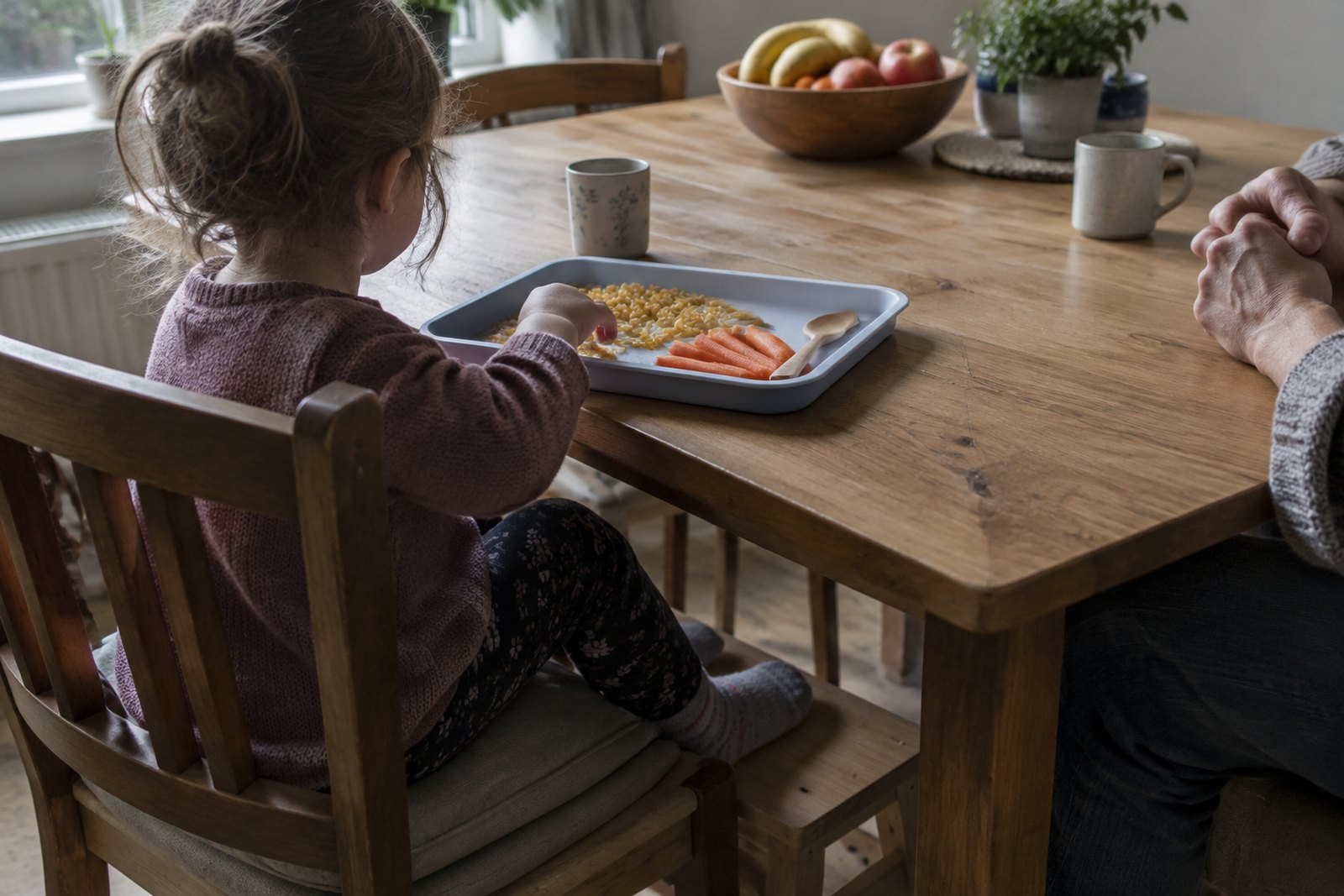
ARFID stands for avoidant/restrictive food intake disorder. It describes a child who eats a very narrow range of foods, or very small amounts, to the point where it affects their growth, health, energy or everyday life. It is not about body image or wanting to be thin. Children with ARFID are usually avoiding food because of how it feels, smells or looks, because they are frightened of choking or being sick, or because they simply have very little interest in eating.
The short answer to the question most parents are really asking - is this just fussy eating? - is this. Most fussy eaters still grow, still have enough energy and gradually widen what they eat. A child with ARFID often does not. If your child's list of accepted foods is shrinking, they are losing weight or not growing as expected, or eating has become a source of real fear or distress, book a GP appointment. You have not caused this, and it is not a battle of wills you need to win.
What ARFID actually is
ARFID is a recognised eating disorder diagnosis. Before ARFID was introduced as a formal diagnosis, children with these difficulties were often described as having "selective eating" or "extreme picky eating", or were given other feeding disorder labels, and many parents spent years being told their child would grow out of it. Some children do. Others need proper support.
A child with ARFID might eat only a handful of foods, often beige or plain ones with a predictable texture: certain crackers, one brand of chicken nugget, plain pasta, a particular yoghurt. Change the shape, the packaging or the way it is cut and the food may be refused. Other children eat a wider range but tiny amounts, picking and stopping long before they have had enough.
What makes it a disorder rather than a preference is the impact. That might be physical, such as weight loss, faltering growth or signs of missing nutrients. It might be practical, such as relying heavily on nutritional drinks. Or it might be social and emotional: not being able to go to a party, a school trip or a friend's house because of the food.
Fussy eating or ARFID: how to tell the difference
There is no neat line, and only a professional can diagnose ARFID. But these patterns are worth noticing.
- Fussy eating is common in toddlers and young children, usually eases with time, and the child still eats enough from most food groups to grow and stay well.
- ARFID often involves a very short list of accepted foods, sometimes fewer than twenty, and whole food groups may be missing.
- A fussy eater will usually eat when properly hungry. A child with ARFID may go without rather than eat a non-safe food.
- Fussy eaters may moan or push a plate away. Children with ARFID may gag, retch, cry, panic or become very distressed when an unfamiliar food is near them.
- Fussy eating rarely stops a child joining in. ARFID often means avoiding parties, sleepovers, eating at school or eating in front of others.
- Fussy eating tends to improve. With ARFID the list of safe foods can stay the same or slowly shrink.
If you are reading this list and nodding at most of the second set of points, trust your instinct and get it looked at.
Why it happens: the three common drivers
ARFID is usually described as having three main drivers. Many children have more than one.
Sensory sensitivity
Some children experience the taste, smell, texture, temperature or look of food much more intensely than other people. A lumpy yoghurt can feel genuinely disgusting. Mixed textures, like a stew or cereal going soft in milk, are often the hardest. Smells from across the kitchen can put a child off before food reaches the table. This is not a child being dramatic. Their nervous system is reacting strongly to information most of us barely notice. If your child is also sensitive to clothes, noise or touch, it may help to read about sensory processing differences, which is a descriptive term rather than a formal medical diagnosis.
Fear of choking, gagging or being sick
Some children have had a frightening experience: a choking episode, a bad bout of vomiting, painful reflux or a stomach bug. Others have no clear trigger. Either way, they become afraid that eating will make something bad happen. They may stick to soft or smooth foods, chew for a very long time, take tiny bites, or refuse to eat at all when anxious. This is a real fear and it does not respond to being told there is nothing to worry about.
Low interest in food
Some children simply do not notice hunger much, forget to eat, get full very quickly or find eating boring. They are not refusing so much as not bothering. These children can be slight, tired and easily distracted at mealtimes. Some have difficulty noticing body signals generally, which is sometimes described as interoception.
ARFID and autism, and ADHD
ARFID is seen more often in autistic children than in the general population, and the link with sensory differences makes sense of why. Many autistic children notice textures, smells and small changes very sharply, and many find comfort in sameness. A food that is always the same, from the same packet, cut the same way, feels safe. A new food is a lot of unknowns at once.
Not every autistic child with a restricted diet has ARFID, and not every child with ARFID is autistic. But if your child is autistic, or you suspect they might be, mention it to the GP because it changes which approaches are likely to help. Pressure-heavy methods tend to backfire, and approaches that respect sensory needs and build predictability tend to work better. Our guide to occupational therapy for autistic children explains how sensory work fits alongside daily life.
Children with ADHD can also struggle with eating, often in the "low interest" way: they cannot sit still long enough to finish a meal, forget they are hungry, or find food dull compared with whatever else is going on. Some ADHD medicines can reduce appetite, so if your child takes medication and their eating has changed, talk to the prescriber rather than adjusting anything yourself.
Warning signs: see the GP promptly
Make a GP appointment soon if your child has any of the following:
- Weight loss, or clothes getting looser
- Not growing as expected, or dropping down the centile lines in their red book
- Tiredness, low energy, pale skin or looking unwell
- Feeling dizzy, faint or cold much of the time
- Ongoing constipation or tummy pain
- A list of accepted foods that is getting shorter
- Panic, distress or low mood around food
- Coughing, choking or spluttering when eating or drinking
If your child has fainted, is very drowsy, is not drinking, or you are worried and cannot get a GP appointment, call NHS 111. If your child collapses, is struggling to breathe or is choking and cannot clear it, call 999.
Getting help: who does what
The GP is the usual starting point. Take notes: a list of every food your child currently eats, any foods they have dropped, their weight and height if you have them, and examples of how eating affects family life and school. The GP may check growth, arrange blood tests and consider physical causes such as reflux, allergy or constipation, treating what they can and referring on for assessment where needed, as these can all make eating unpleasant.
Diagnosis is made by a specialist, usually through a paediatrician or a children's mental health or eating disorder service, depending on where you live. Services for ARFID vary a lot across the UK and are still developing in some areas. Ask your GP what the local pathway is, and keep asking if you are passed between teams.
Support usually comes from a mix of professionals:
- A paediatrician oversees physical health, growth and any medical investigations.
- A dietitian checks whether your child is getting enough energy and nutrients, and advises on how to fill gaps safely. Do not start supplements or nutritional drinks without their or the GP's advice.
- A psychologist or mental health team helps where fear, anxiety or past frightening experiences are driving the problem.
- An occupational therapist works on the sensory side and the practical side of eating: seating, routines, food exploration and sensory regulation.
- A speech and language therapist leads if there are concerns about chewing, swallowing or choking. If your child coughs, gags or chokes regularly, this is the right person, and the GP can refer.
What helps at home
None of this replaces professional help, but these approaches are widely used and you can start today.
Take the pressure off
This is the hardest one, because when your child is not eating every instinct says push. But pressure can make anxious eaters eat less. That can include well meant pressure such as "just one bite", repeatedly praising or commenting on eating, using rewards or pudding as a bribe, or closely watching their plate. Aim for a calm table where food is available and nobody comments on what anyone eats. Talk about the day, not the dinner.
A safe food always on the plate
Every meal should include at least one food your child reliably eats. That way they know they will not go hungry, and the table stops being a threat. Other foods can sit on the table or on a separate plate nearby, with no expectation to touch them. Being near a food without having to eat it is a genuine step.
Tiny steps
Progress with ARFID is measured in very small changes. Tolerating a new food on the table. Then on the plate. Then touching it, smelling it, licking it, putting it to the lips and taking it out again. Small changes to a safe food often work better than brand new foods: a different shape of the same pasta, a slightly different cracker, the same food cut a new way. Expect to go backwards sometimes, especially when your child is ill, tired or stressed.
Food play away from mealtimes
Exploring food when nobody expects your child to eat it takes the fear out. Baking together, washing vegetables, squashing peas, stirring, pouring, building faces with crackers, or helping unpack the shopping all give your child a chance to get used to textures and smells on their own terms. If touching messy things is hard for your child, start with dry foods and tools like spoons or tongs. Our guide to messy play and helping a reluctant child has more ideas.
Predictable routines
Regular meal and snack times help children who do not notice hunger, and help anxious children know what is coming. Keep the same seat, the same plate if that helps, and a similar order to the meal. A visual timetable can show when food happens. Keep mealtimes reasonably short rather than letting them drag on.
Help your child feel settled first
A child who is wound up, overloaded or anxious will eat less. A calm activity before meals, a quieter room, the television off, and a chair that supports their feet can all make a difference. Sitting with feet dangling is surprisingly tiring and distracting for some children.
Look after the rest of the family
ARFID is exhausting for parents, and it is common to feel judged by relatives or other parents. It is reasonable to cook one family meal with your child's safe food alongside, rather than cooking three different dinners every night. Tell the school, nursery or childminder what your child eats and ask them not to pressure them either.
Where an occupational therapist fits
An occupational therapist does not diagnose ARFID and is not the lead professional for weight, nutrition or swallowing. Those belong to the paediatrician, dietitian and speech and language therapist. Where an occupational therapist can help is with the sensory and practical side of eating.
A paediatric occupational therapist can assess how your child responds to touch, smell, taste, sound and movement, and how that shows up at the table. They can look at seating and posture, suggest ways to help your child feel calm before meals, build a gradual food exploration plan, and help you set up routines that suit your child. A private occupational therapist visiting at home sees the real kitchen, the real table and the real meal, which is often where the useful details are.
Many families use occupational therapy alongside NHS care, particularly while waiting for specialist services. If you do, let the GP and any NHS team know so everyone is working in the same direction.
Frequently asked questions
Is ARFID the same as anorexia?
No. Anorexia involves worries about weight and body shape. ARFID does not. Children with ARFID avoid food because of sensory difficulties, fear or low interest, and often want to eat more but cannot. Both are taken seriously by health services.
Will my child grow out of ARFID?
Some children's eating widens over time, especially with the right support. Others carry difficulties into adulthood. It is better to get help early than to wait and see, particularly if growth or health is affected.
Should I hide vegetables in my child's food?
It is usually not recommended for children with ARFID. If your child finds a hidden food in a safe food, they may stop trusting that food altogether, and you can lose one of the few things they eat. Honesty about what is on the plate builds trust.
Can I get help for ARFID without an autism diagnosis?
Yes. ARFID can be assessed and supported whether or not your child is autistic. If you think your child may be autistic, mention it, as it can help shape the support.
What if my child coughs or chokes when eating?
Tell your GP and ask about a speech and language therapy referral. Swallowing difficulties need proper assessment before anyone works on new textures. If your child is choking and cannot clear it, call 999.
Does a fussy eater need to see an occupational therapist?
Most fussy eaters do not. An occupational therapist is most useful where sensory sensitivities are clearly driving food refusal, or where eating is causing real distress for the child and family.
Next steps
If eating is causing worry, start with your GP. For help with the sensory and practical side of mealtimes, see our paediatric occupational therapy and sensory needs pages, or current guide prices, and choose your area below.

Talk to an occupational therapist near you
This guide is general information. For advice about your own situation - or someone you look after - a local occupational therapist can visit you at home and see it for themselves.
Choose your area: