Staying Independent at Home in Staffordshire: Energy, Goals and the Right Kind of Help
By Mobile Occupational Therapist • 24 August 2026 • 6 min read
Local Occupational Therapist -
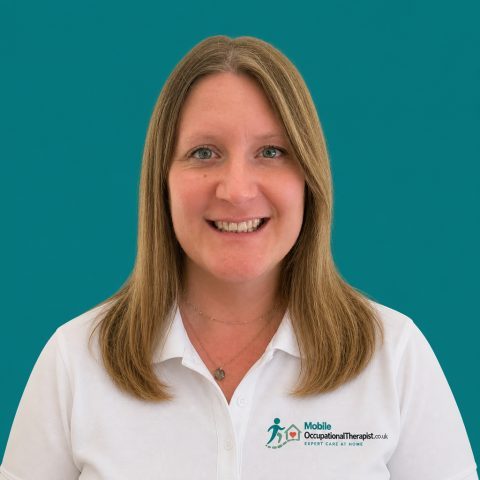
Helen Harrison, Staffordshire
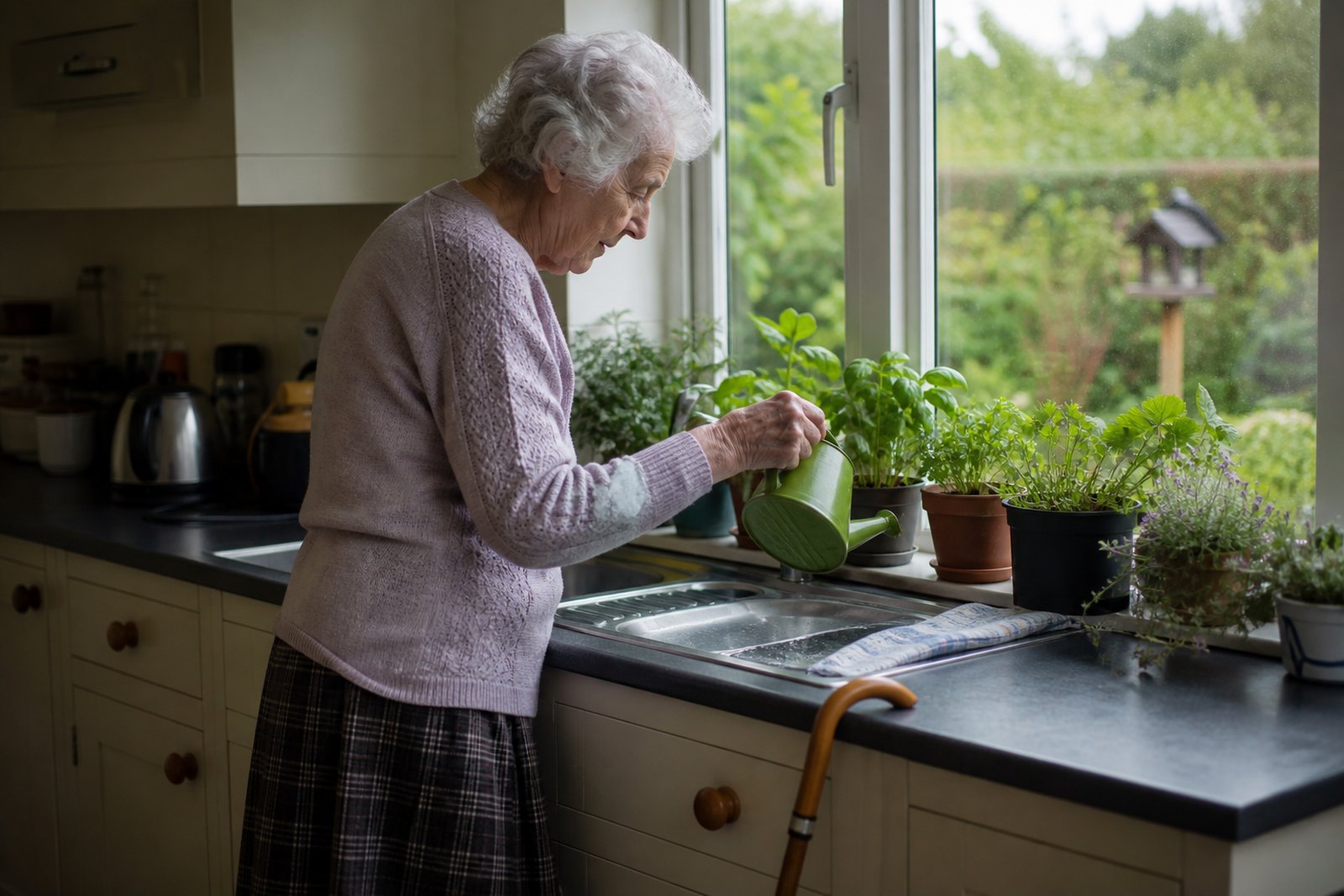
Independence rarely disappears overnight. More often it leaks away one activity at a time: the bath that becomes a strip wash, the garden that gets "left for now", the drive into Lichfield that somehow stopped happening. Whether the cause is a neurological condition, recovery from illness, or simply later life, the pattern is similar - and so is the standard response, which is to reach straight for equipment. A rail here, a trolley there. Equipment absolutely has its place, but Helen Harrison, the occupational therapist covering Staffordshire, starts somewhere different: with what you actually want to keep doing, and with the resource that quietly decides whether you can - your energy.
Fatigue: the symptom hiding underneath everything else
Helen describes fatigue as one of the most common and least understood neurological symptoms, and it deserves top billing in any honest conversation about independence. Neurological fatigue - the kind that comes with MS, Parkinson's, stroke recovery and brain injury - is not ordinary tiredness. It does not always respond to rest, it can arrive without warning, and it is often invisible to everyone else, which makes it easy for families to misread as lack of motivation. Something similar applies in later life, where a fixed amount of daily energy has to stretch across everything.
Here is why it matters for independence: many people do not stop activities because they physically cannot do them. They stop because the activity costs more energy than they can afford - a shower that takes everything, leaving nothing for the rest of the morning. Seen that way, "I've stopped showering daily" is not a decline to accept or a hygiene problem to nag about. It is a budgeting problem, and budgeting problems can be worked on.
Fatigue management is a core part of Helen's practice, and it is more structured than "pace yourself". It typically involves mapping where your energy actually goes across a day and a week, spotting the activities with the worst cost-to-value ratio, and then redesigning them - changing when things happen, how they happen, what gets sat down for, what gets split across two days, and what genuinely deserves your best hours. For someone with MS in Stone or Parkinson's in Uttoxeter, that redesign is often worth more than any single piece of equipment, because it applies to everything at once.
Goals first, gadgets second
The catalogue approach to independence starts with products and works backwards. Occupational therapy runs the other way: it starts by asking what a good week would look like for you, and only then asks what stands in the way. The distinction sounds subtle but changes everything, because the answer is frequently not a gadget at all. It might be a different technique for getting out of a chair, a rearranged kitchen so that cooking happens sitting down, a morning routine reordered around your best energy, or confidence work after a fall has left you frightened of the stairs.
When equipment is the right answer, an assessment makes it the right equipment - fitted to you, your home and the task, rather than bought on hope. Helen's training in seating and posture matters here: a chair or wheelchair that fits properly can be the difference between sitting comfortably enough to do things and spending the day managing discomfort. If you want the wider picture on equipment itself, our plain-English guide to daily living equipment covers what exists, how to choose, and how assessment-led provision works.
Falls, and the fear of falls
Nothing erodes independence faster than a fall - except, often, the fear that follows one. People quietly shrink their world after a fall: no more stairs alone, no more garden, no more walking into town. The fear is understandable, but the shrinking makes the next fall more likely, because doing less means weakening and stiffening. An occupational therapy response looks at the whole picture: the home hazards, yes, but also how you move, how fatigue and medication timing affect your steadiness, what you would do on the floor if it happened again, and how to rebuild confidence activity by activity. Our post on practical falls prevention beyond exercise goes deeper, and the falls and frailty page describes how Helen approaches this work across the county.
Independence with a progressive condition
With a progressive condition, some people assume rehabilitation has nothing to offer - the condition will progress regardless, so what is the point? The point is that independence at any stage is a combination of the condition and everything around it: technique, energy management, equipment, home set-up, confidence and support. The condition may not be changeable; the rest usually is. Good occupational therapy with Parkinson's, MS, Huntington's or motor neurone disease means reviewing and adjusting that "everything else" as needs change, staying a step ahead rather than reacting to each crisis - and it means the plan is anchored to your goals at each stage, not to a generic pathway. Where symptoms change or something new appears, Helen will always encourage a conversation with your GP or specialist team alongside the practical work.
Frequently asked questions
Is this only for people with neurological conditions?
No. The same goal-based approach works for staying independent in later life generally - Helen's neuro specialism simply means that where a neurological condition is part of the picture, from Cannock to Burton upon Trent, it gets properly expert attention rather than a generic plan.
My relative refuses help. Is a visit still worth it?
Often, yes - partly because occupational therapy does not arrive looking like "help". It arrives as a conversation about what they want to keep doing, which lands very differently from a family telling them what they can no longer do. Starting with their goals tends to lower the defences that gadget-first offers raise.
Will I just be told to buy things?
No. Recommendations follow the assessment, and many plans involve little or no equipment at all. Where something is recommended, you will understand exactly what problem it solves before any money is spent.
Next steps
If daily life is getting smaller and you would rather it did not, a free phone call is an easy, no-obligation way to find out whether occupational therapy can help - get in touch to arrange one. You can read about Helen's fatigue management and rehabilitation background on her profile, and find out what a home visit costs on the prices page.