Specialist Seating, Wheelchairs and Posture in Derbyshire: A Plain English Guide
By Mobile Occupational Therapist • 1 September 2026 • 6 min read
Local Occupational Therapist -
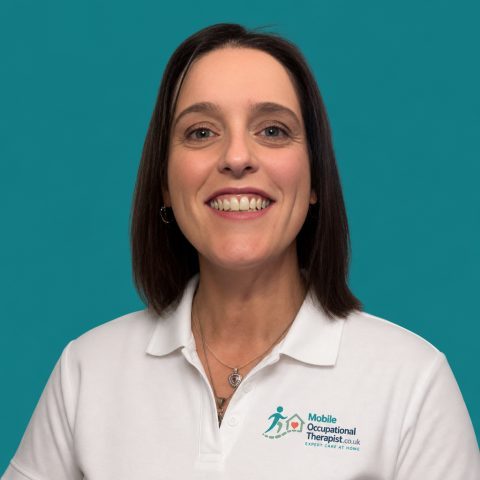
Wendy Perry, Derbyshire
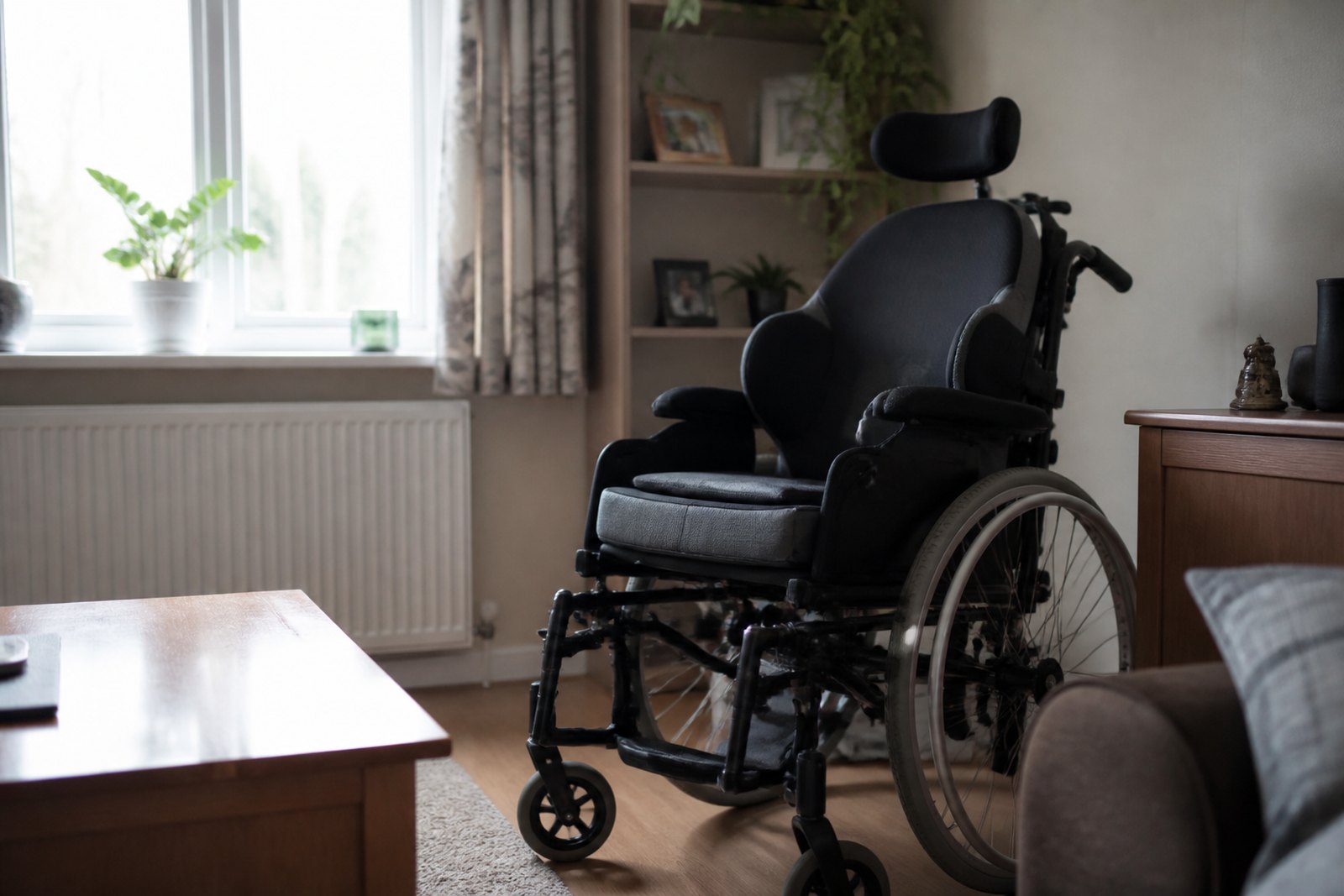
For most people, a chair is just a chair. If you or someone you love spends much of the day sitting - because of a neurological condition, a spinal injury, or a body that no longer holds itself up easily - the chair becomes something else entirely: it is posture, comfort, skin, breathing, digestion, energy and dignity, all resting on one piece of equipment. Specialist seating is one of the most technical corners of occupational therapy, and it happens to be the deepest of Wendy's specialisms, backed by current training in complex seating and postural management, wheelchair prescription and modification, and pressure care. This guide explains, in plain English, what the work involves for families across Derbyshire. (If your question is about ordinary armchairs and riser recliners, our guide to choosing the right chair is the better read.)
What a specialist seating assessment actually involves
A proper seating assessment starts with the body, not the catalogue. The core of it is something called a MAT assessment - the therapist assesses you lying down and then sitting, working joint by joint to find out what your body can do. Which positions can your hips, pelvis and spine actually reach? Which postures are fixed, and which can be corrected with support? That distinction is everything: a chair should support a fixed posture comfortably and correct a flexible one gently, and getting the two confused causes pain and pressure damage. Only once your body is understood does equipment enter the conversation - and because this is a home service, it is understood in the rooms, doorways and daily routines the chair must actually live in.
Pressure mapping often forms part of the picture. It is exactly what it sounds like: a thin sensor mat goes between you and the seat and shows, as a live coloured map, where your weight concentrates. High-pressure hotspots are where skin breaks down, so the map turns an invisible risk into something you can see and fix - a different cushion, a tilted position, a changed routine. For people who cannot shift their own weight, this quiet piece of technology prevents wounds that can otherwise take months to heal.
Manual and powered wheelchairs - and everything bolted to them
Choosing between a manual and a powered wheelchair is rarely just about strength. It is about your shoulders and how many years of self-propelling they have in them, your energy across a whole day rather than a corridor test, who pushes when you cannot, and the terrain - which in Derbyshire means hills, cobbled market places and long distances that flatten a city-dweller's assumptions. Wendy is trained across manual and powered chairs and, just as importantly, their attachments and modifications: powered add-ons that help a companion push up a Matlock gradient, specialist backrests, one-arm drive systems, custom controls. The right answer is often not a different chair but the right modification to the chair you have. Getting the prescription right matters more here than most places, because a chair that is nearly right in a showroom can be unusable on a steep village street. This work sits within our wider neurological occupational therapy service, and comes up often with conditions like multiple sclerosis and after stroke.
Wheelchair Accessible Vehicles: getting beyond the front gate
A perfect wheelchair that cannot leave the village is only half a solution, and in a rural county the vehicle question arrives quickly. Wendy carries out Wheelchair Accessible Vehicle (WAV) assessments and advises on conversions - whether you travel seated in your wheelchair or transfer to a vehicle seat, what restraint and headroom you need, how the wheelchair is loaded and by whom, and how the choice interacts with your seating system, since a chair specified for posture must also perform as a travel seat if that is how you will use it. Assessing the person, the chair and the vehicle as one system, rather than three separate purchases, is what stops expensive mistakes.
Why posture is a 24-hour question - the bed matters as much as the chair
A seating plan that only covers the daytime is half a plan. We spend a third of our lives in bed, and an unsupported night posture can quietly undo the day's careful work - a pelvis that drifts, hips and knees that tighten into fixed positions, skin loaded on the same spot for eight hours. This is why therapists talk about 24-hour postural management: chair, bed and everything between treated as one continuous story. Wendy's training covers hospital-style profiling beds - beds whose sections raise and tilt to support position and make transfers safer - along with night positioning and pressure care, and the safe use of portable hoists including guidance for the care teams who operate them. If a loved one is developing contractures, sore skin or growing discomfort at night, the bed deserves the same expert attention as the wheelchair.
Young people moving from children's to adult services
Families of disabled young people often describe the move from children's to adult services as falling off a cliff: the familiar team steps back just as adult life - college, work, independent travel - makes new demands on equipment. Seating and postural needs do not pause for the handover, and a chair prescribed for a fourteen-year-old rarely fits the life of a nineteen-year-old. Wendy has specific training in seating, positioning, pressure mapping and postural management for young people making this transition, including where the Access to Work scheme can help fund workplace equipment and support. For younger children, our paediatric occupational therapy page covers the earlier years.
Frequently asked questions
I already have a wheelchair - is an assessment still worth it?
Often, yes. Bodies change, and a chair set up years ago may be quietly working against you. An assessment can frequently improve comfort and posture through adjustment and modification of your existing chair rather than replacement.
What is the difference between this and being measured at a mobility shop?
A shop fits a product; a therapist assesses a person. A MAT assessment, pressure mapping and a home visit look at your body, your skin, your home and your day before any product is discussed - and the advice is independent, because Wendy has nothing to sell you.
Does poor seating really cause health problems?
It can - pressure damage, worsening contractures, pain, and difficulties with breathing and digestion are all associated with unsupported sitting. If you have new pain, skin changes or health concerns, speak to your GP as well as arranging a seating review.
Next steps
If seating, posture or wheels are the problem - for you, a parent or a young person heading into adult life - the first step is a free, no-obligation phone call to talk it through. Wendy's specialist training in this field is listed in full on Wendy's profile, and our prices page shows the costs with nothing hidden.