Return to Work After a Stroke or Brain Injury in Cheshire East
By Mobile Occupational Therapist • 12 October 2026 • 11 min read
Local Occupational Therapist -
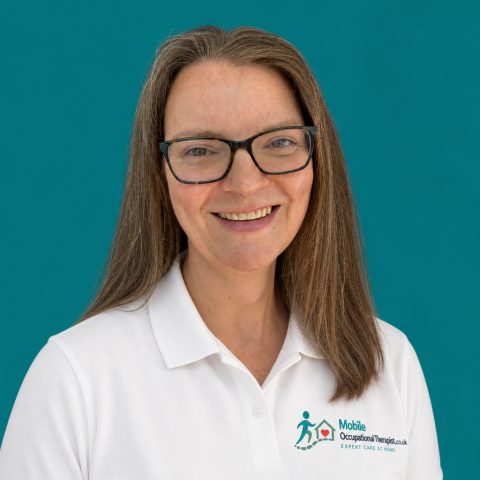
Esther Yirrell, Cheshire East

If you live in Cheshire East and are wondering whether you can go back to work after a stroke, a brain injury or another neurological illness, the short answer is: very often yes, but rarely straight back to how things were, and rarely all at once. Returns that last are usually planned. They start small, they build up, and the job bends a little to fit the person rather than the other way round.
Vocational rehabilitation is the name for that planning. An occupational therapist looks at what your job actually asks of you, what has changed since your illness, and helps you put practical strategies in place. Your employer, your GP and, if your employer has one, occupational health each have their own part to play, and none of them is the occupational therapist. This guide explains who decides what, so you know where you stand and what to ask for.
Why going back is harder than it looks
Many people look well by the time they are ready to think about work. The arm works, the speech is clear, the walk is steady enough. Colleagues say how well you look. And then you sit through a two-hour meeting and come home unable to string a sentence together.
The changes that cause most trouble at work are often the ones nobody can see:
- Fatigue. Not ordinary tiredness. It can arrive suddenly, does not always lift with a night's sleep, and is often worse after thinking hard rather than physical effort.
- Memory. Forgetting what was agreed in a meeting, losing track of a task halfway through, missing appointments.
- Concentration. Noise, interruptions and an open-plan office can make simple tasks feel impossible.
- Slower processing. You can still do the work, but it takes longer, and being rushed makes mistakes more likely.
- Mood and confidence. Worry about letting people down, or about it happening again, is very common.
None of this means you cannot work. It means the plan needs to account for it. If your mood has been low for weeks, talk to your GP. If you notice new symptoms of a stroke, such as a drooping face, a weak arm or slurred speech, call 999 straight away. If you have had a head injury and get a sudden severe headache, repeated vomiting or new confusion, call 999 or go to A and E. For anything you are unsure about, NHS 111 can advise.
What vocational rehabilitation with an occupational therapist involves
Occupational therapy is about the things you do every day, and for most adults of working age, work is a large part of that. Vocational rehabilitation usually covers some or all of these:
- Understanding your job in detail. Not the job title, but the actual day: the commute, the screen time, the phone calls, the decisions, the busy periods, the physical bits.
- Understanding what has changed. How fatigue, memory, concentration and any physical changes affect each part of that day.
- Practical strategies. Pacing and planning your energy across the day and the week. Written checklists and a single place for notes. Doing the hardest thinking when you are freshest. Building in rest before you need it rather than after.
- Planning the return. Working out a realistic starting point and how to build up, and what adjustments would help.
- Putting it in writing. Where it helps, a report that sets out your needs in plain language, which you can share with your employer or occupational health if you choose to.
Our national guide to vocational rehabilitation and getting back to work goes into this in more depth.
Phased returns: building back up
A phased return means coming back on reduced hours or duties and increasing them over a set period. It is one of the most common adjustments after a stroke or brain injury, and for good reason. Going from nothing to a full week is how many people end up off sick again.
A plan might start with a few short days spread across the week, with a rest day between, and lighter or familiar tasks. Hours then go up step by step, with a review at each stage. The detail matters more than the template. Mornings or afternoons? Which tasks first? What happens if a week goes badly? A good plan says.
There is no general legal right to a phased return. It is agreed between you and your employer, often on advice from your GP or occupational health. For someone covered by the Equality Act, though, it may well be a reasonable adjustment, which changes the conversation. Our guide to planning a phased return to work has more detail, including what to agree about pay.
Your rights: reasonable adjustments under the Equality Act
Under the Equality Act 2010, an employer must make reasonable adjustments for a disabled employee. You count as disabled under the Act if you have a physical or mental impairment that has a substantial and long-term effect on your ability to carry out normal day-to-day activities. Long-term generally means it has lasted, or is likely to last, at least 12 months. Many people with lasting effects from a stroke or brain injury will meet this, but it depends on your situation. Check the current guidance on GOV.UK if you are unsure.
Adjustments that often help after a neurological illness include:
- Changed hours, or a later start to avoid rush hour
- Regular, planned breaks
- A quieter desk, or some home working
- Written instructions and meeting notes rather than verbal ones
- Fewer interruptions, or protected time for focused work
- Swapping some duties for a while
- Equipment such as an adapted keyboard or mouse, or a headset
What counts as reasonable depends on things like the employer's size, the cost and how practical the change is. The employer decides first, but if you disagree it can be challenged, and a tribunal would judge it objectively. You can ask, explain why, and suggest specific changes. Our guide to reasonable adjustments and how to ask for them includes examples you can borrow.
Access to Work
Access to Work is a government scheme run through the Department for Work and Pensions. It can contribute towards practical support that goes beyond what an employer is expected to provide: specialist equipment, a support worker, help with the cost of getting to work if you cannot use public transport, and a mental health support service. It is not a loan and it is not based on your income. You must be in paid work, or about to start, and you apply yourself through GOV.UK. Our guide to what Access to Work pays for and how to apply walks through the steps.
Fit notes, your GP and occupational health: who decides what
This is where people get muddled, and it helps to be clear.
Fit notes
A fit note is issued by a GP, a hospital doctor or certain other registered healthcare professionals. It says either that you are not fit for work, or that you may be fit for work taking into account some advice. That second option can recommend a phased return, altered hours, amended duties or workplace adaptations. It is advice to your employer, not an instruction. Your employer decides whether it can put the suggestions in place.
Occupational health
If your employer has an occupational health service, you may be referred. Occupational health advises your employer on your fitness for work and on adjustments. It works for the employer, though it should be independent and fair to you. It gives advice; it does not make the final decision.
Your employer
Your employer decides what adjustments to make, what your return plan looks like and how pay works during it, within the law and your contract. Bring evidence and specific suggestions and you are far more likely to get a plan that works.
Driving
If your job involves driving, or you drive to work, check the DVLA rules on GOV.UK before you get behind the wheel. There are rules about driving after a stroke or brain injury, and they are stricter for bus and lorry licences. The DVLA and your doctor decide this, not your employer and not an occupational therapist.
Talking to your employer
Many people dread this conversation more than the work itself. A few things help:
- Keep in touch while you are off, even briefly. It is easier to come back to people who know how you are.
- Decide what you want to share. You do not have to give every medical detail, but explaining how fatigue or memory affects you makes adjustments much easier to agree.
- Go with specifics. "I need to start with three short days" lands better than "I need to take it slowly".
- Take notes, or take someone. Ask if you can bring a colleague, union representative or family member, and ask for the outcome in writing.
- Agree a review date. Plans need adjusting. Building that in from the start takes the pressure off.
Vocational rehabilitation in Cheshire East: Esther Yirrell
The occupational therapist listed for Cheshire East on our directory is Esther Yirrell. According to Esther's profile, Esther has more than 20 years of experience as an occupational therapist and specialises in neurological conditions, particularly stroke recovery.
Esther's profile describes offering vocational rehabilitation for people who want to stay in work or return after a neurological illness or injury. That means looking together at how fatigue, memory, concentration and other changes affect your working day, and putting practical strategies in place to manage what the job demands. The profile also mentions cognitive rehabilitation and relaxation techniques, and further training that includes a Masters level module in managing fatigue in long-term conditions.
Esther's visits take place in people's homes, and the profile describes travelling across Cheshire East. That covers places such as Crewe, Nantwich and Sandbach in the south, and Macclesfield, Wilmslow, Knutsford and Poynton further north. Esther offers neurological occupational therapy, as well as functional assessments and reports, home assessments and help after hospital discharge. If you want anything beyond a home visit, say so in your enquiry and ask. You can see everything we list for the area on our Cheshire East page.
If home is the harder part
Sometimes the bigger obstacle is not the job but getting ready for it: the shower, the stairs, getting out of the front door on time without being exhausted before you start. Cheshire East Council is a single unitary council, so the same council handles home adaptations whether you live in Congleton, Alsager, Middlewich or anywhere else in the area. Its occupational therapy service is the first point of contact for adults who need adaptations, and it covers all ages.
The council's policy is that small adaptations under £1,000, such as grab rails, are provided free outside the Disabled Facilities Grant, and the grant itself goes up to £30,000. That is the council's current policy and it can change. Our page on the Disabled Facilities Grant in Cheshire East explains who to contact and how the steps go.
Frequently asked questions
How soon can I go back to work after a stroke?
There is no fixed time. Some people return within weeks, others take many months, and some change roles. It depends on the stroke, how you are recovering and what your job involves. Talk it through with your GP or stroke team, and be wary of rushing back to prove a point. A slower start often means a more lasting return.
Is a stroke a disability under the Equality Act?
It can be. If the effects are substantial and long-term, meaning they have lasted or are likely to last at least 12 months, you are likely to be covered, which means your employer must consider reasonable adjustments. Check the current guidance on GOV.UK, or get advice if your employer disagrees.
Can my employer refuse a phased return?
There is no automatic right to one. But if you are disabled under the Equality Act and a phased return would be a reasonable adjustment, refusing it without good reason may be unlawful. Put your request in writing, explain why, and include any advice from your GP or occupational health.
Do I need a fit note saying I am fit before I go back?
No. You do not need a fit note to return, and you can go back before a fit note ends if you and your employer agree. Some employers have their own return procedures, so check yours.
Does Esther visit where I live in Cheshire East?
Esther's profile describes visiting people's homes across Cheshire East, from Crewe to Macclesfield. Mention your town when you get in touch.
Next steps
If you are in Cheshire East and want help planning a return to work after a stroke, brain injury or other neurological illness, have a look at Esther Yirrell's profile and prices, then send Esther an enquiry describing your job, what has changed and what you would like help with.