

Recovery After Intensive Care: What to Expect at Home
By Mobile Occupational Therapist • 26 October 2026 • 12 min read
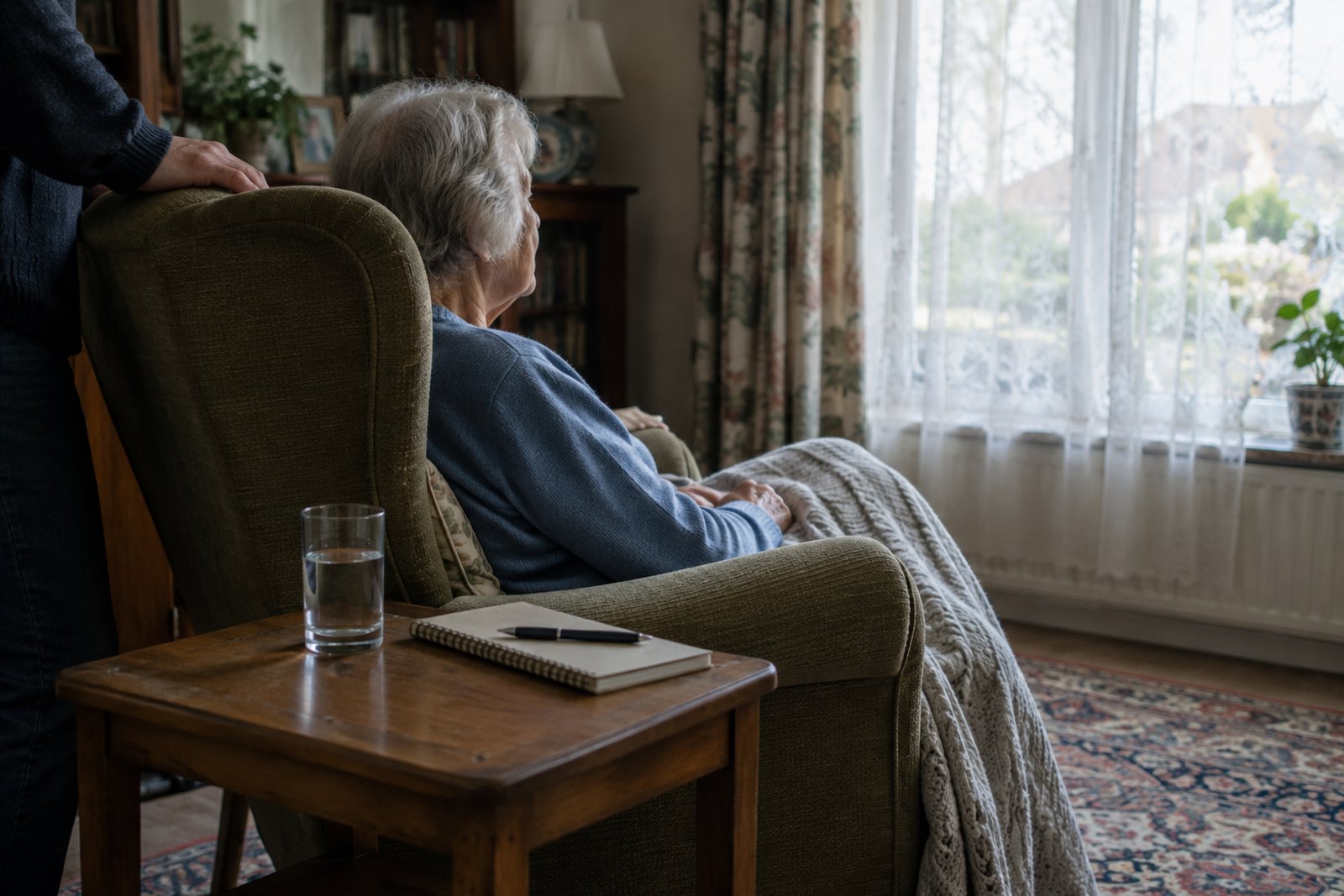
If you or someone you love has come home after a stay in intensive care, the most useful thing to know is this: feeling far weaker, more tired, more forgetful and more shaken than you expected is normal. It does not usually mean something has gone wrong. Intensive care saves lives, but the illness and the treatment both take a heavy toll on body and mind, and recovery is usually measured in months rather than weeks.
The after-effects have a name: post intensive care syndrome, often shortened to PICS. It can include muscle weakness, exhaustion, breathlessness, poor sleep, problems with memory and concentration, low mood, anxiety and vivid nightmares or flashbacks. Families can be affected too. Most people improve steadily with time, sensible pacing and the right support. This guide explains what to expect, what you can do at home from today, and when to get help quickly.
Why life after ICU feels so hard
Being critically ill is one of the biggest physical events a body can go through. Muscle wastes quickly when you are lying still and your body is fighting serious illness. Sedation, a breathing tube, constant light and noise, broken sleep and the illness itself can all affect how the brain works for a while afterwards.
Many people also had delirium in intensive care. This is a temporary state of confusion that can bring frightening hallucinations or false memories, such as believing the staff were trying to harm you, or that you were somewhere else entirely. Those memories can feel completely real long after you are home, and they are not a sign that you are losing your mind.
Then you come home. Everyone is relieved. Friends say how well you look. And you find that walking to the bathroom leaves you shattered and you cannot follow a TV programme. The gap between what people expect and how you actually feel is one of the hardest parts of recovery. Knowing it is common helps.
Common after-effects of intensive care
Physical
- Weakness. Legs that feel like jelly, difficulty getting out of a low chair, trouble lifting a kettle or holding your arms up to wash your hair. Some people have nerve or muscle damage from critical illness that takes longer to recover.
- Fatigue. Not ordinary tiredness. A deep exhaustion that sleep does not fix, and that can hit suddenly after quite small tasks.
- Breathlessness. Especially after a chest infection, pneumonia or a long time on a ventilator. It often improves as strength and fitness return.
- Sleep problems. Struggling to fall asleep, waking often, sleeping in the day and lying awake at night. Hospital routines can scramble your body clock.
- Other changes. A hoarse voice, sore throat or difficulty swallowing after a breathing tube; changes in taste and appetite; weight loss; dry skin; hair thinning a few weeks or months later; numbness or tingling; stiff joints. Many of these settle, but mention them to your GP or at a follow-up appointment.
Memory and thinking
Forgetting what you went into a room for, losing the thread of conversations, struggling to concentrate, finding paperwork or decisions much harder than before. This is common after critical illness and often improves over months. It is easy to hide, which means families sometimes do not realise how much someone is struggling.
Emotional
Low mood, tearfulness, anxiety, irritability, feeling flat or detached, nightmares and flashbacks about the unit. Some people avoid anything that reminds them of hospital. A smaller number develop post-traumatic stress disorder (PTSD). These are understandable reactions to a frightening experience, and they are treatable. You do not have to wait until you are physically better before asking for help with them.
Practical recovery at home
Pacing: the skill that matters most
The usual pattern after intensive care is boom and bust. You have a good morning, do the washing, a bit of tidying and a phone call, and then spend two days flattened. Pacing breaks that cycle. In plain terms:
- Break tasks into smaller pieces and rest between them, before you feel exhausted rather than after.
- Spread demanding jobs across the day and the week instead of saving them all up.
- Sit down for anything you can do sitting: washing, dressing, preparing vegetables, drying your hair.
- Count thinking as activity. A long phone call, a busy visit or sorting post can tire you as much as a walk.
- Aim for roughly the same amount of activity on good days and bad days, then increase slowly.
Our guide to fatigue management and pacing goes into this in more detail. It was written for other conditions, but many of the same principles are useful after critical illness.
Build up activity gradually
Rest matters, but complete rest makes weakness worse. Work out what you can do comfortably now, even if that is walking to the end of the hallway twice a day, and do it consistently. When it feels manageable for several days, add a little more. If you were given exercises by a hospital physiotherapist, do those. Feeling a bit puffed and tired is expected. Chest pain, dizziness or being so breathless you cannot speak is not, and means stop and get advice.
A daily routine that does some of the work for you
When your memory and energy are unreliable, routine saves effort. Get up and go to bed at similar times. Open curtains and get daylight in the morning. Eat regular small meals if your appetite is poor. Keep a simple notebook or wall planner with appointments, medicines times and what you did each day. Over a few weeks it also shows you progress you would otherwise miss, which helps on low days.
Setting up the home for the first weeks
- Put the things you use every day at waist height so you are not bending or reaching overhead.
- Keep a chair in the bathroom or bedroom so you can sit to wash and dress.
- If stairs are exhausting, consider living mainly on one floor for a while and planning trips up and down.
- Have a drink and a phone within reach of wherever you rest.
- Use a kitchen trolley or ask someone to carry things, rather than walking with full hands while you are unsteady.
- Raise very low chairs or choose a firmer, higher seat so standing up is easier.
If getting on and off the toilet, in and out of the bath or up from bed is a struggle, it is worth asking for an assessment rather than guessing at equipment. Our guide to coming home from hospital covers what should be arranged and who to chase if it was not.
Filling in the gaps in your memory
Many people have little or no memory of intensive care, or memories that do not match what happened. Some units keep a patient diary, written by staff and family during the stay, which can help piece things together. Ask the unit whether one was kept. Family can also explain what happened, gently and at your pace. Some units offer a return visit once you feel ready. Not everyone wants this, and that is fine.
Follow-up after intensive care
NICE guidance on rehabilitation after critical illness recommends that people have their rehabilitation needs assessed before they leave hospital and reviewed again a couple of months after leaving critical care. In practice, what is available varies around the country. Some hospitals run an intensive care follow-up clinic, sometimes with a doctor, nurse, physiotherapist or psychologist. Others do not.
If you have not heard anything, ask the ward or intensive care unit, check your discharge letter, or ask your GP. Your GP can also refer you to community physiotherapy, occupational therapy, speech and language therapy or psychological services depending on what you need. The charity ICUsteps, which was set up by former patients and relatives, publishes free information and runs support groups in some areas. Many people say that meeting others who have been through intensive care is what finally made them feel normal again.
When to get urgent help
Recovery is slow, but some symptoms need checking quickly. Call 999 for chest pain, severe breathlessness, coughing up blood, sudden confusion or collapse, or signs of a stroke such as a drooping face, weak arm or slurred speech.
Call NHS 111 or contact your GP the same day for:
- A painful, swollen, warm or red leg, which can be a sign of a blood clot.
- A high temperature, shivering or feeling suddenly much more unwell.
- Breathlessness that is getting worse rather than better.
- A wound that is red, hot, oozing or opening up.
- Coughing or choking when you eat or drink.
If you have thoughts of harming yourself, or feel you cannot keep yourself safe, call 999 or go to A&E. You can also call Samaritans free on 116 123 at any time. For less urgent help with mood, anxiety or nightmares, our guide to getting mental health support in the UK explains self-referral to NHS talking therapies and other routes.
Looking after the family
Families often have the most frightening memories of all, because they were awake for it. Sitting by a bed not knowing whether someone will survive is traumatic, and it does not switch off when the patient comes home. Relatives can have their own anxiety, poor sleep, low mood and flashbacks. Doctors sometimes call this PICS-F, for family.
Then they become carers, often overnight, while also working, parenting and keeping the house running. A few things help. Share the jobs out rather than one person doing everything. Let the person recovering do what they can, even slowly, because doing too much for them can slow their recovery. Talk honestly about what happened when you are both ready. And look after your own health: see your GP if you are struggling, and ask the council for a carer's assessment. Our article on carer burnout is written for exactly this situation.
Where an occupational therapist fits
Recovery after intensive care is a team job, and an occupational therapist is one part of it. It helps to know who leads on what.
- Your GP oversees your overall health, medicines, new symptoms and referrals.
- A physiotherapist leads on breathing, strength, walking, balance and exercise programmes.
- A speech and language therapist is the right person for swallowing problems or voice changes after a breathing tube.
- A psychologist or NHS talking therapies service leads on PTSD, anxiety and depression.
An occupational therapist focuses on getting back to the everyday things that matter to you: washing, dressing, cooking, managing the stairs, getting out, hobbies, family life and work. An occupational therapist can help you set up a realistic pacing plan, work out which tasks to simplify or spread out, recommend equipment such as a perching stool, shower seat, toilet frame or chair raisers, and suggest practical strategies for memory and concentration problems, such as planners, reminders and routines. They can also help plan a phased return to work and write a report if you need adjustments from an employer.
The NHS may provide this through a community rehabilitation team or a short period of reablement after discharge. If there is a long wait, or you want more time and a visit focused on your own home and goals, a private occupational therapist visiting at home is another option.
Frequently asked questions
How long does recovery after intensive care take?
It varies a great deal depending on how ill you were, how long you were in intensive care and how healthy you were beforehand. Many people notice steady improvement over several months, and some effects, particularly fatigue and memory problems, can take longer. Progress is rarely a straight line, so judge it over weeks rather than days.
Is post intensive care syndrome permanent?
For most people, symptoms improve over time, often considerably. Some people are left with longer-term difficulties, especially after a very long stay. Even then, rehabilitation, adapting how you do things and treatment for mood or trauma symptoms can make a real difference to daily life.
Why can't I remember being in intensive care, or why are my memories so strange?
Sedation, delirium and the illness itself all affect memory. It is very common to have gaps, or vivid memories of things that did not happen. A patient diary, if one was kept, or talking things through with family or at a follow-up clinic can help make sense of it. If the memories are distressing, tell your GP.
When can I go back to work?
There is no fixed timescale. It depends on your recovery and the kind of work you do. Most people do better with a gradual return, such as shorter hours or lighter duties at first. Your GP can issue a fit note suggesting adjustments, and an occupational health or occupational therapy assessment can help plan the return.
Can I drive after being in intensive care?
Do not drive until you can do so safely, which includes being able to concentrate, react quickly and perform an emergency stop. Whether you must tell the DVLA depends on your medical conditions, including the illness that led to your admission and any lasting effects that could affect driving, such as weakness, memory or concentration problems, rather than the intensive care stay itself. Check the medical conditions guidance on GOV.UK and ask your GP if you are unsure. Your insurer may also need to know.
Is there support for family members?
Yes. Relatives can see their own GP about anxiety, sleep or low mood, self-refer to NHS talking therapies, ask the council for a carer's assessment, and use the information and support groups offered by ICUsteps. Many family members find it helps simply to hear that what they are feeling is common.
Next steps
If you are finding daily tasks, the home set-up or pacing hard after intensive care, see our hospital discharge service page, or current guide prices, and choose your area below.

Talk to an occupational therapist near you
This guide is general information. For advice about your own situation - or someone you look after - a local occupational therapist can visit you at home and see it for themselves.
Choose your area: