

Paediatrics in Lancashire: Supporting Our Young Ones
By Mobile Occupational Therapist • 2 October 2026 • 3 min read
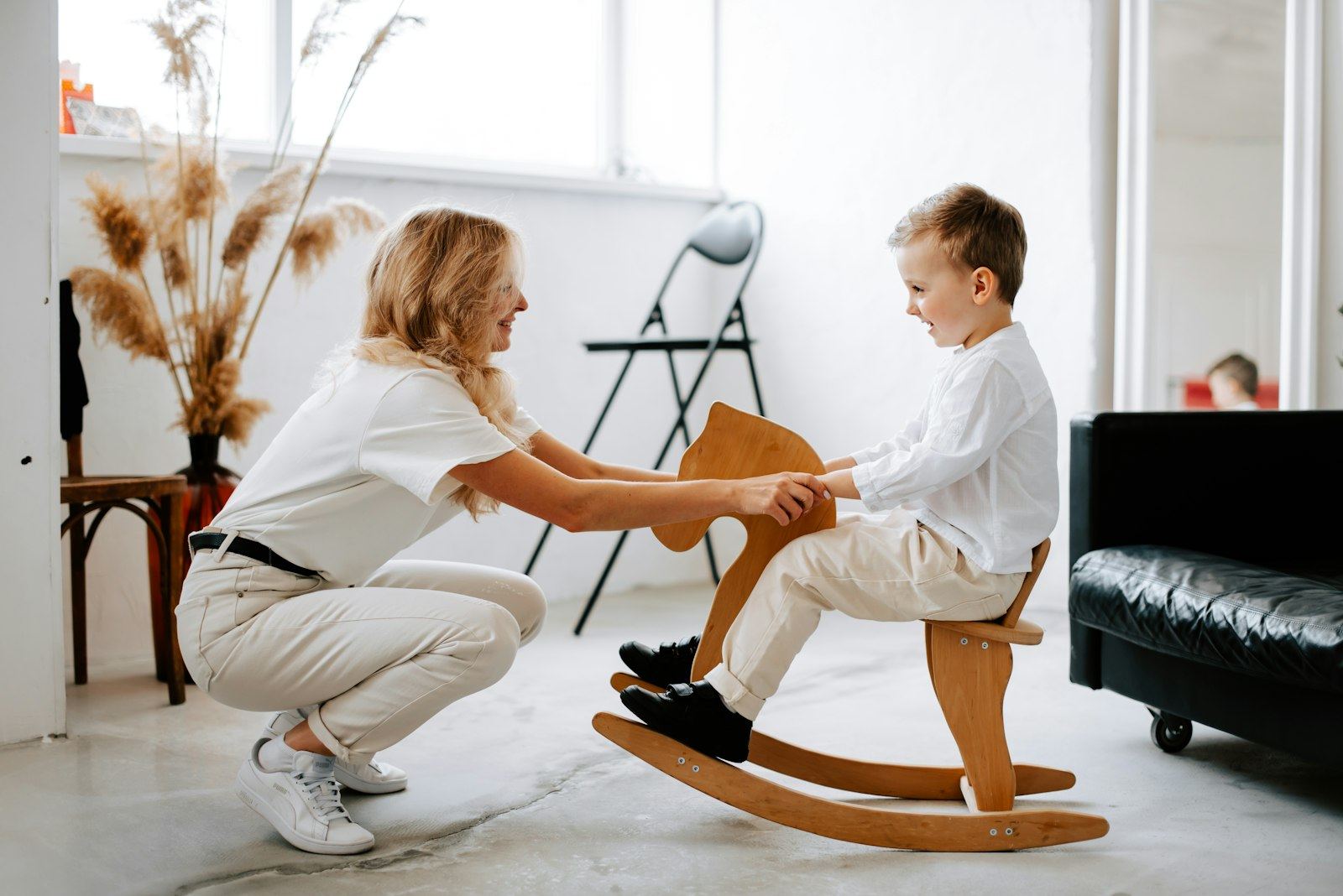
Paediatric occupational therapy can be essential for children facing various challenges, from developmental delays to sensory processing differences. In Lancashire, this specialised support is readily available, helping children achieve greater independence and enhancing their quality of life. Understanding what paediatric occupational therapy entails, who can benefit, and what to expect from an assessment can make all the difference in ensuring your child receives the best possible care.
What is Paediatric Occupational Therapy?
At its core, paediatric occupational therapy involves assessing and addressing the daily living skills of children facing challenges in participating in everyday activities. Whether it's issues related to fine motor skills, sensory processing, or social participation, occupational therapists work to provide children with the tools they need to succeed, promoting independence and supporting diverse paediatric needs.
Who Can Benefit from Paediatric Occupational Therapy?
Paediatric occupational therapy can benefit a wide range of children. Those with developmental delays, autism spectrum disorders, or sensory processing differences can particularly benefit. Support can be crucial for helping them integrate better into daily home and school environments. In charming towns across Lancashire, including Blackburn, Preston, and Blackpool, families are finding the benefits of these tailored interventions.
What Happens During an Assessment?
A paediatric occupational therapy assessment typically involves a thorough evaluation of the child's abilities and challenges. This comprehensive analysis might include observing the child in different settings - such as at home or school - to understand their daily needs better. The focus is on functional assessments that can offer effective recommendations.
Key elements of an assessment:
- Functional Evaluation - Understanding how your child performs daily tasks and where they may struggle.
- Collaborative Approach - Working closely with families and educators to create a cohesive support plan.
- Customised Recommendations - Providing solutions such as equipment aids and home adaptations to support daily living.
What to Expect from the Therapeutic Process
After the assessment, a tailored intervention plan is developed. This plan is designed to cater specifically to the child’s unique needs, enabling them to progress in their skill development, with the aim of improving your child’s independence and well-being.
Frequently Asked Questions
How early should we start occupational therapy for a child?
Starting early can be beneficial, especially if there are noticeable delays or struggles in daily tasks compared to peers. Early intervention can lead to more positive outcomes, allowing children to develop important skills during critical stages of growth. If in doubt, consult your GP for advice.
What role do parents and caregivers play?
Parents and caregivers are central to the therapeutic process. Their partnership with the occupational therapist helps reinforce skills and strategies learned during sessions. Participation in consultations ensures that the approaches can be applied consistently in the child’s environment.
How do home adaptations support therapy?
Home adaptations can significantly enhance a child’s ability to perform daily tasks independently. Simple modifications, such as installing sensory-friendly elements or mobility aids, can remove barriers to participation. Read about how an OT assessment works for home adaptations.
Next steps
Taking the first step towards improving your child’s independence starts with a conversation. See the Lancashire coverage page to check your town is included, or contact the office and we will be happy to help.
Occupational Therapist in Lancashire
Get in touch
Contact the office and we will be happy to help.
Mobile Occupational Therapist
HCPC-registered occupational therapists, visiting you at home.