

Occupational Therapy for Hospital Discharge in London
By Mobile Occupational Therapist • 1 September 2026 • 6 min read
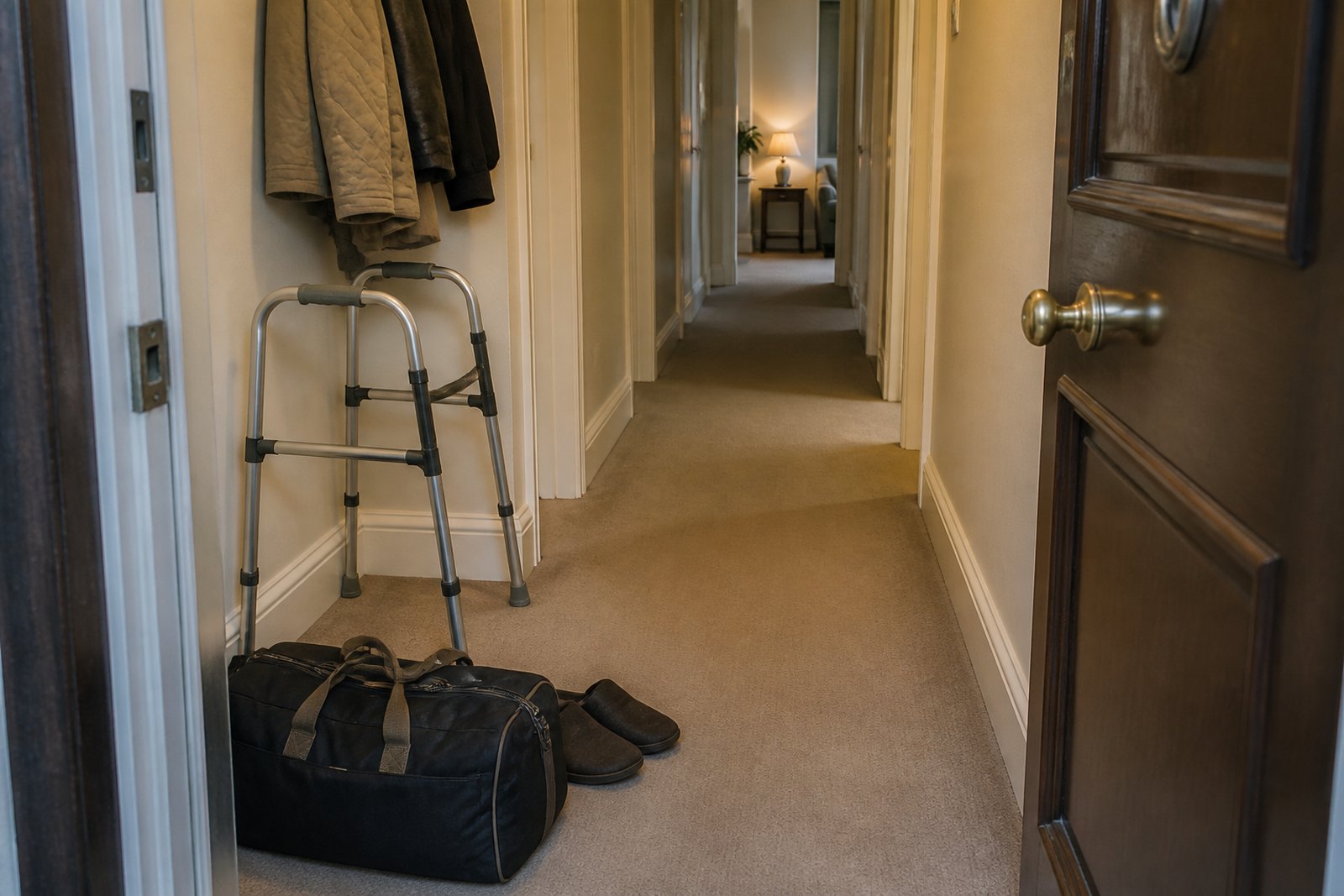
Leaving hospital is supposed to be the good news. But ask any family who has been through a discharge in London and they will tell you the hard part started at the front door - the three steps nobody had thought about, the bed a steep flight up, the bathroom that worked fine before the fracture and not at all after it. Wards assess how well someone is recovering; they cannot see the home that person is recovering into. That gap between ward and home is exactly where a discharge-focused occupational therapy visit earns its keep, and it is one of the core hospital discharge services we provide across London.
Why the home set-up matters more than the paperwork
By the time someone is ready to leave hospital, a plan exists on paper: medications, follow-ups, perhaps some equipment ordered. What the paperwork cannot capture is the reality of a particular home - and in London that reality is unusually varied. A discharge that would be straightforward into a level-access bungalow becomes a puzzle in a second-floor conversion in Hackney with no lift, or a terraced house in Tottenham where the only toilet is upstairs. Recovery in those first weeks is won or lost on mundane questions: can you get from the taxi to the bed, from the bed to the toilet, and safely through a wash - today, with the body you currently have, in the home you actually live in. A home visit answers those questions concretely instead of hopefully.
What a discharge-focused home visit covers
The visit walks the routes that matter in the first weeks home, in order of urgency:
- Getting in. Steps, thresholds, communal entrances and entry phones, the distance from where a car can stop to the front door - the whole journey from kerb to hallway.
- The bathroom. Usually the highest-risk room after a hospital stay: whether the toilet, bath or shower is usable now, and what would make it so - from simple aids to a rail in the right place.
- The bed. Whether it can be got into and out of safely at its current height and position, and whether sleeping downstairs for a spell is a sensible bridge or a problem in the making.
- Equipment. What is genuinely needed for the first weeks, ideally in place before the person arrives home - our equipment and aids assessment covers how this is chosen and fitted to the space, which matters in compact London rooms.
- The daily round. Making a hot drink, managing the stairs or deciding not to yet, answering the door - the small tasks that decide whether someone is living at home or stranded in it.
Where possible, this happens before discharge, so the home is ready on day one. Where the discharge has already happened - as it often has by the time families ring us - an early visit still catches problems while they are inconveniences rather than accidents.
Working alongside what the hospital arranges, not against it
A private OT visit does not replace NHS discharge arrangements, and it should not try to. Hospital teams arrange what they can within their criteria and timescales; a private visit adds time, home-specific detail and follow-through. In practice the two fit together well: the hospital's plan says what support is coming, and the home visit makes sure the home itself is ready to receive it - and picks up the pieces that fall outside anyone's criteria, which in London's older housing stock can be a long list. Anything medical - pain, wounds, medication, new symptoms - stays firmly with the hospital team and the GP; the home visit is about function, safety and daily living. For the wider picture of how discharges are organised, our national guide coming home from hospital: a family's guide walks through the process step by step.
Coordinating from a distance
A very London problem: the person leaving hospital lives in Lewisham, one daughter is in Leeds and the son is abroad, and everyone is trying to organise a safe homecoming by phone. A home visit gives a scattered family one trusted set of eyes on the actual flat - what the real risks are, what to sort first, what can wait - and written recommendations everyone can read and act on, wherever they are. These visits take place in person across London, from Richmond and Twickenham to Ilford and Barking; you can check any area on our London coverage page. Recovery itself rarely follows a straight line, and our pages on recovering after hospital cover what the weeks after discharge tend to look like.
Frequently asked questions
When is the best time to arrange the visit?
As soon as a discharge is in prospect - even before a date is fixed. A visit before discharge means equipment and changes can be in place for day one. If the person is already home, sooner is simply better: the first days back are when the home's surprises show themselves.
Do we need a referral from the hospital or GP?
No. You can contact us directly, and the first phone call is free with no obligation. It is sensible to let the hospital team and GP know a private OT is involved so everyone is pulling in the same direction, but you do not need anyone's permission to arrange a visit.
What if the person falls after coming home?
Tell the GP about any fall, even one without injury - it is important medical information after a hospital stay. Practically, it is also worth everyone in the household reading our guide on how to get up from the floor after a fall before it is ever needed, and a home visit can rehearse this for the person's own rooms.
Next steps
If someone you love is in hospital in London and the conversation is turning towards home, the ideal moment to prepare the home is now, not after the discharge letter arrives. Start with a free phone call: contact the office and we will be happy to help, with the full cost of a visit agreed before anything is booked.
Occupational Therapist in London
Local occupational therapy enquiries
We are currently arranging new occupational therapy cover for this area. Contact the office with your requirements and we will confirm whether we can help.
Mobile Occupational Therapist
HCPC-registered occupational therapists, visiting you at home.