Mental Health Occupational Therapy at Home in Cheshire East
By Mobile Occupational Therapist • 26 October 2026 • 11 min read
Local Occupational Therapist -
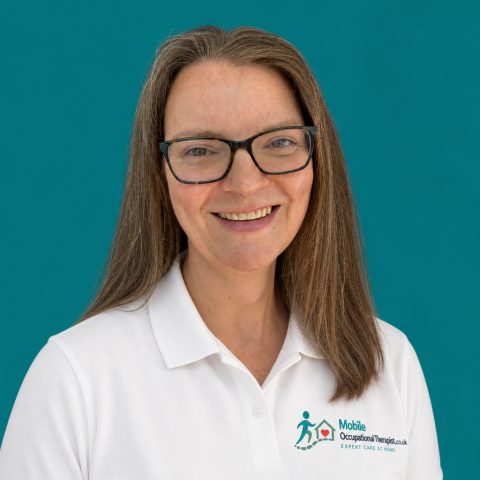
Esther Yirrell, Cheshire East
If anxiety, low mood or a big change in your life has made ordinary days hard to get through, an occupational therapist can help in a very practical way. In Cheshire East, mental health occupational therapy can come to you at home. It offers support to understand what you are feeling, alongside a realistic plan for the everyday things that have slipped. Sleep. Meals. Getting out of the house. Doing something, anything, that still feels like yours.
It is not the only route, and it is not always the first one. Your GP and NHS Talking Therapies are there too, and adults in England can refer themselves to Talking Therapies without seeing a GP first. This article explains each option, what an occupational therapist does and does not do, and how to reach the occupational therapist who covers Cheshire East, from Crewe and Nantwich to Macclesfield and Poynton.
If you need help urgently
Read this first if things feel unsafe right now, for you or for someone you love.
- If a life is at risk, or someone has seriously hurt themselves, call 999 or go to A and E.
- For urgent mental health help that is not an emergency, call NHS 111 and choose the mental health option.
- Samaritans are free to call on 116 123, at any hour of the day or night. You do not have to be suicidal to ring them.
A private occupational therapist is not a crisis service. An enquiry form is not the place to turn when you need help today. Use the routes above, and come back to the rest of this when things are steadier.
What mental health occupational therapy actually is
Occupational therapy is about the things you do with your day. Getting up, washing, eating, work, seeing people, hobbies, looking after others. When mood drops or anxiety climbs, these are often the first things to go. Not because you have stopped caring, but because each one starts to feel like climbing a hill.
Psychotherapeutic occupational therapy is a bridge between physical and mental health. It has two halves that work together:
- Understanding and managing difficult emotions. Calm, non-judgemental space to make sense of what you are feeling, and ways to cope with it when it arrives.
- Practical, achievable plans for everyday life. Small, specific steps that rebuild a day you can live with.
You can find a broader overview of how occupational therapy fits with mental health on our mental health page.
What the practical side looks like
This is the part people often do not expect, and often find most useful.
- Routine. Not a strict timetable. A loose shape to the day, so that getting up, eating and going to bed happen at roughly the same times.
- Sleep. Looking at what happens in the hour before bed, what you do when you cannot sleep, and whether long daytime lie-ins are making nights worse.
- Getting out again in graded steps. If the front door has become a wall, the first step might be standing in the garden. Then the end of the road. Then the corner shop. Each step is small enough to manage on a bad day.
- Planning activity that matters to you. Not just what you should do, but what you used to enjoy or value, and how to get a version of it back.
- Pacing. Spreading effort through the day and week, so a good day does not turn into three bad ones.
Who it is for
Adults living with anxiety, low mood or depression. People grieving. People living with the effects of trauma. And people knocked sideways by a major life change: retirement, redundancy, becoming a carer, a new diagnosis, or a change of role in the family or at work. Families are often the ones who notice first, and they are welcome to read on too.
CBT, ACT and behavioural activation in plain words
You will see these terms a lot. Here is what they mean, without the jargon.
CBT (cognitive behavioural therapy) looks at the links between what you think, how you feel and what you do. The idea is to notice the thoughts that keep you stuck, test them against what actually happens, and practise responding differently. Trauma-focused CBT is a version of this designed for people affected by frightening or distressing events.
ACT (acceptance and commitment therapy) takes a slightly different line. Rather than battling difficult thoughts and feelings, you learn to make room for them, so they push you around less. At the same time you work out what matters to you and take steps towards it, even while the feelings are still there.
Behavioural activation means planning and doing activities you value, on purpose, even when you do not feel like it. Low mood tells you to wait until you feel better before doing anything. Behavioural activation turns that round. It is an established approach for low mood, and it sits naturally with occupational therapy because it is all about what you do with your day. Our guide to behavioural activation explains how it works.
None of these is a guaranteed fix, and what helps one person may not suit another. An occupational therapist who has trained in these approaches uses ideas from them within occupational therapy. That is not the same as a full course of therapy with an accredited CBT therapist or a psychologist, and it is worth knowing the difference before you choose.
What an occupational therapist is not
It is worth being plain about this, because it affects where you go first.
- An occupational therapist is not a counsellor, a psychotherapist, a psychologist or a psychiatrist.
- An occupational therapist does not diagnose mental health conditions.
- An occupational therapist does not advise on medication. Questions about starting, stopping or changing tablets go to your GP or pharmacist.
- Private occupational therapy is not a crisis or out-of-hours service.
See your GP if low mood or anxiety has gone on for more than a few weeks, is getting worse, or is getting in the way of daily life. Some physical problems and some medicines can affect mood, and a GP can check for those. If you are having thoughts of ending your life, use the urgent routes at the top of this page.
Your NHS routes in Cheshire East
Whether you live in Crewe, Congleton, Wilmslow or Knutsford, the NHS routes start in the same two places.
Your GP
A GP can talk through what is happening, check your physical health, discuss treatment options including medication, and refer you on where needed. If it is hard to explain in a short appointment, it can help to write down a few lines beforehand and hand them over.
NHS Talking Therapies
Adults in England can refer themselves to NHS Talking Therapies for anxiety and depression, without going through a GP. These services offer psychological therapies such as CBT, counselling and guided self-help. To find your local service, search for NHS Talking Therapies on the NHS website and follow the steps for where you live. Our guide to getting mental health support in the UK explains self-referral, community mental health teams and where occupational therapy fits.
Where a private occupational therapist fits
Some people come to occupational therapy instead of talking therapy. Many use it alongside. It can suit you if:
- you find it easier to talk at home than in a clinic, or getting out is part of the problem;
- you understand your feelings reasonably well but cannot turn that into a day that works;
- a physical health condition and your mood are tangled together;
- you are waiting for other support and want practical help in the meantime.
If you are seeing your GP or a Talking Therapies service as well, tell them, so everyone is pulling in the same direction.
When physical and mental health are tangled up
Mood often dips after a stroke, a new diagnosis or a long illness, and it is not a sign of weakness. Our article on low mood and depression after a stroke covers the signs and where to get help. If work is where anxiety or low mood hits hardest, our guide to anxiety and depression at work sets out adjustments and support you can ask for.
The occupational therapist for Cheshire East: Esther Yirrell
Our occupational therapist for Cheshire East is Esther Yirrell. Esther is HCPC-registered, has over 20 years of experience as an occupational therapist, is based in Cheshire East and travels to people's homes across the area.
Much of Esther's work is with people recovering from neurological conditions, particularly stroke, including help with fatigue, thinking skills and relaxation techniques. Esther also offers psychotherapeutic occupational therapy for people struggling with anxiety, depression, trauma, bereavement or a major life change such as a change of role. Esther's profile describes this as calm, non-judgemental support to understand and manage the emotions involved, alongside practical, achievable plans for everyday life, drawing on training in CBT, trauma-focused CBT and ACT approaches.
The courses Esther lists for this side of the work are:
- Counselling Skills Level 2
- Cognitive Behavioural Therapy (CBT) Essentials Level 2
- Trauma Focused Cognitive Behavioural Therapy Level 2
- ACT (Acceptance and Commitment Therapy) Essentials
Esther also lists a Masters level module in Managing Fatigue in Long Term Conditions. These are training courses that inform the occupational therapy. Esther is an occupational therapist, not a counsellor or a psychotherapist.
Esther works with people and their families to set achievable goals, and visits take place at home. You can read more about home assessments, and about occupational therapy across the area on our Cheshire East page.
Getting ready for a first visit
You do not need to prepare anything. But if it helps you feel more in control, a few notes on paper can make the first conversation easier.
- What has changed. When did things start to feel harder, and was there a trigger, or did it creep up?
- What a day looks like now. Roughly when you get up, eat, go out, sleep. No judgement, just facts.
- What you have stopped doing. The walk, the phone calls, the allotment, the cooking.
- What you would like back first. One thing is plenty.
- Who else is involved. GP, Talking Therapies, a carer, a manager at work.
If you are a son, daughter or partner worried about someone, the hardest part is often that it is not your decision. An adult chooses for themselves whether to have support. You can share this article, offer to sit in on a visit, or help with the enquiry, but it works far better when they want it.
Frequently asked questions
Is occupational therapy the same as counselling?
No. Counselling and psychotherapy are mainly about talking things through. Occupational therapy for mental health includes support with your emotions, but it always comes back to what you do with your days: routine, sleep, getting out and doing things that matter to you.
Can I refer myself to NHS Talking Therapies if I live in Cheshire East?
Adults in England can refer themselves for anxiety and depression. Search for NHS Talking Therapies on the NHS website and follow the steps to find the service for where you live. You can also ask your GP to refer you.
Can I see a private occupational therapist while I wait for NHS support?
Yes. Many people use practical occupational therapy alongside, or while waiting for, NHS support. It is sensible to let your GP or Talking Therapies service know, so the support fits together rather than overlapping.
Will an occupational therapist tell me whether to change my medication?
No. Occupational therapists do not advise on medication. Speak to your GP or pharmacist before starting, stopping or changing anything you take for mood or anxiety.
My dad has been low since he retired and will not talk about it. What can I do?
Retirement is a big change of role, and it is a very common time for mood to dip. Encourage him to see his GP, and if he is open to it, he could consider practical support with structure and purpose. If you are ever worried he is at risk, use the urgent routes at the top of this page.
Next steps
If you would like practical, home-based support with anxiety, low mood or a major life change in Cheshire East, you can read Esther Yirrell's profile, check the prices page, and send Esther an enquiry describing what is going on and what you would like help with.