

Community Equipment Services: Borrowing Equipment Instead of Buying
By Mobile Occupational Therapist • 16 September 2026 • 8 min read
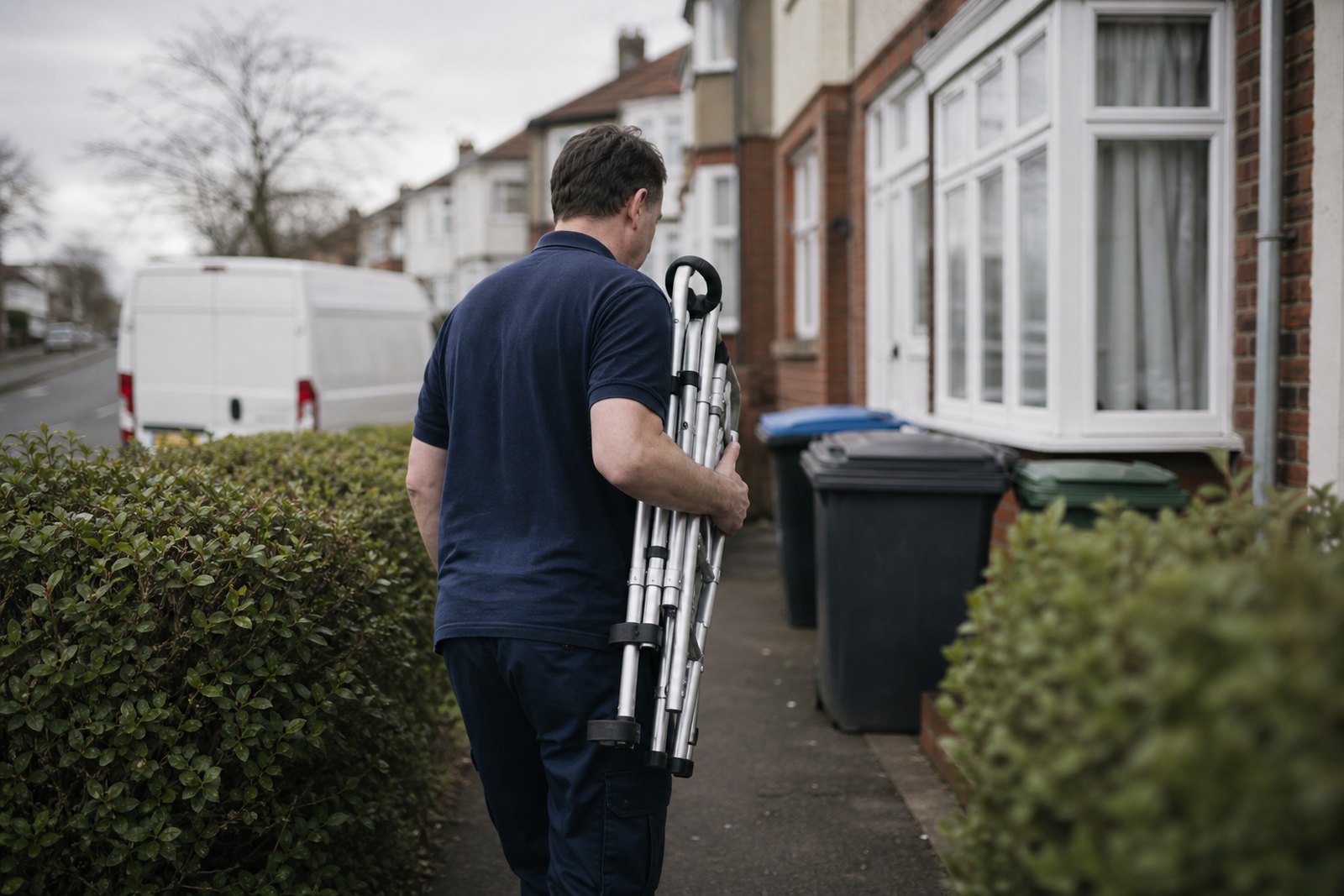
In most parts of the UK you do not have to buy daily living equipment, because your local council and the NHS jointly fund a community equipment service - a loan store that supplies items such as walking frames, raised toilet seats, perching stools, commodes and bed levers free of charge, for as long as you need them. Access is by referral, usually from an occupational therapist, physiotherapist, district nurse or GP, or through a council needs assessment you can request yourself. Charities such as the British Red Cross also hire out wheelchairs for short-term use. This guide explains how the system works, what is typically stocked, and when buying privately makes more sense.
What is a community equipment service?
Almost every area of the UK has one, though the name varies - you may see it called a community equipment store, an integrated community equipment service (ICES), or simply "the equipment service". It is a shared depot, jointly funded by the local authority and the NHS, that holds a stock of daily living and nursing equipment. When a health or social care professional assesses that you need an item, the store delivers it to your home, often within a few days, and collects it again when you no longer need it.
The equipment is a loan, not a gift, but there is no charge for standard items and no time limit tied to the loan itself - people keep council-loaned equipment for years where the need continues. Many areas contract the running to a specialist provider, so the delivery van may carry a company's name rather than the council's; the arrangement is the same.
How do I get referred?
You cannot usually walk into the store and borrow something directly - equipment is prescribed against an assessed need. The common routes in are:
- A council needs assessment. You can request one yourself from adult social care, free of charge, without going through a GP. The NHS explains the process in its guide to getting a needs assessment. If the assessor identifies that equipment would help, they order it from the store.
- Hospital discharge. If you are coming home after an illness, operation or fall, the hospital occupational therapist or physiotherapist typically orders what you need before you leave, so it is in place when you arrive. Our guide to discharge planning covers how that works.
- Community health staff. District nurses, community physiotherapists and community OTs can all order from the store during their normal visits.
- A private occupational therapist. A private OT cannot usually order directly from the council store, but can identify exactly what you need and either signpost you into the council route or advise on buying well.
What is typically stocked
Stock varies by area, but a typical community equipment service holds:
- Walking aids - walking frames, wheeled walkers and sticks. If you have been asking where to get a walking frame free, this is the answer: via referral, on loan, properly sized. Getting the height right matters more than people realise - see our guide to walking frames and getting the right fit.
- Toileting equipment - raised toilet seats, toilet frames and commodes.
- Bathing equipment - bath boards, bath seats and shower stools, where an assessment supports them.
- Chair and bed aids - chair raisers, bed levers, backrests and, where nursing need justifies them, profiling beds and pressure-relieving mattresses.
- Kitchen and daily living items - perching stools, trolleys and similar, though many areas now expect people to buy the small, inexpensive items themselves.
- Minor adaptations - grab rails and half steps are often supplied and fitted through the same route.
What the store will not usually supply: powered wheelchairs and scooters (a separate NHS wheelchair service handles wheelchairs for long-term need), stairlifts and major adaptations (usually a Disabled Facilities Grant matter), and comfort or convenience items with no assessed need behind them.
Wheelchairs and short-term borrowing from charities
For a short-term need - a holiday, an outing, the few weeks after an operation - the British Red Cross hires out wheelchairs across the UK for a modest weekly charge, delivered to your door, with no assessment needed. Local charities and shopmobility schemes lend wheelchairs and scooters too, particularly for trips into town centres. For a long-term wheelchair need, ask your GP or therapist for a referral to the NHS wheelchair service instead, because a wheelchair used daily should be prescribed and fitted, not simply borrowed.
When buying privately makes more sense
Borrowing is not always the right answer, and it is worth being honest about where the loan system falls short:
- Waiting times. A needs assessment can take weeks or months in some areas. If you need a perching stool this week and can afford one, buying it is often the sensible choice - many daily living aids are genuinely inexpensive.
- Choice and appearance. Loan stock is standard issue, chosen for durability and infection control rather than looks. If a riser recliner or a walking aid is going to live in your home for years, you may prefer to choose your own - our guide to choosing the right chair covers why that decision deserves care.
- Items below the threshold. Many councils no longer loan small items such as jar openers, easy-grip cutlery or non-slip mats, expecting people to buy them. VAT relief often applies when you do.
- No assessed need, but a real preference. The store supplies what an assessment justifies, not everything that would be nice to have.
The trap to avoid is buying the wrong thing at speed. Equipment bought unseen, in the wrong size or for the wrong problem, is one of the most common things an OT finds unused in a cupboard. An equipment assessment before you spend - identifying what would help, whether it is loanable, and what is worth buying - routinely saves more than it costs. Our plain-English guide to daily living equipment is a good place to start.
Returning equipment
Loaned equipment remains the property of the equipment service, and returning it matters - every returned frame is cleaned, checked and loaned again, which is exactly what keeps the service free. When an item is no longer needed, or after a bereavement, phone the number on the sticker that most loan items carry, or contact adult social care, and the store will arrange collection free of charge. If you have bought equipment privately and no longer need it, many local charities accept donations.
Who benefits most from knowing about equipment loans
- Anyone leaving hospital who needs equipment in place quickly
- Older people managing on a fixed income, for whom free loans of the expensive items make a real financial difference
- Families arranging support from a distance, who need one phone number rather than a shopping list
- People with a short-term need after surgery or injury, where buying would mean owning equipment needed for only a few weeks
- Carers looking after someone whose needs are changing, where loaned equipment can be swapped as needs change
Frequently asked questions
Is community equipment really free for elderly people?
Yes - equipment loaned through a council or NHS community equipment service is provided free of charge where a needs assessment identifies the need, and the assessment itself is free too. There is no means test for standard loaned equipment. What has changed in many areas is that small, inexpensive items are no longer loaned and people are expected to buy those themselves.
Where can I get a walking frame for free?
Through a referral to your local community equipment service - ask your GP, physiotherapist or district nurse, or request a needs assessment from your council's adult social care team. If you are in hospital, the therapy team will normally order one before you go home. A frame should be set to the right height for you, which is another reason the referral route beats buying one unseen.
How long can I keep equipment on loan?
For as long as you need it - loans are tied to need, not to a calendar. Some services make periodic review calls to check items are still in use, and long-loan items carry a sticker with the number to ring when the equipment is no longer needed so it can be collected, cleaned and reissued.
Next steps
If daily tasks are getting harder and you are not sure what equipment would actually help - or whether to borrow it, hire it or buy it - an occupational therapy assessment answers that question in your own home before anyone spends anything. Find your local occupational therapist via our areas we cover page, or see our prices page for current guide pricing.
Talk to an occupational therapist near you
This guide is general information. For advice about your own situation - or someone you look after - a local occupational therapist can visit you at home and see it for themselves.
Choose your area: