Choosing a Private Occupational Therapist in Derbyshire: A Practical Guide
By Mobile Occupational Therapist • 27 August 2026 • 6 min read
Local Occupational Therapist -
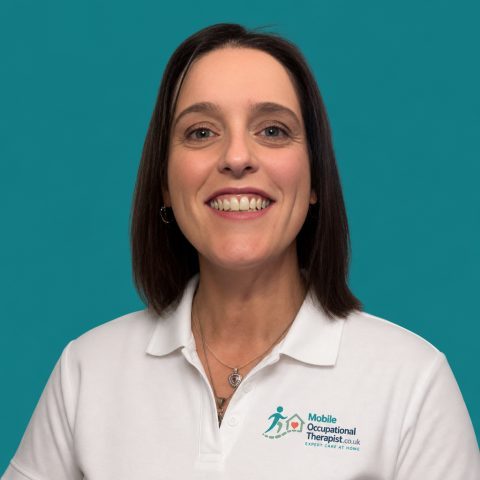
Wendy Perry, Derbyshire
Deciding you could use an occupational therapist is the easy part. Choosing one is harder, because from the outside every listing looks much the same: a friendly photo, a string of letters, a promise of help at home. Underneath, occupational therapists vary enormously in what they have actually done - and in a county like Derbyshire, where you may be inviting someone to drive out to a village near Bakewell or Ashbourne, you want to be confident before anyone knocks on the door. This guide covers the checks that take two minutes, the skill-matching that takes a little thought, and the questions that tell you most. For the national picture, our guide to choosing a private occupational therapist in the UK goes broader; this post is about doing it well here.
Start with the register, not the reviews
"Occupational therapist" is a protected title in the UK. Anyone using it must be registered with the Health and Care Professions Council (HCPC), which checks qualifications, requires ongoing professional standards and handles complaints. Before anything else, ask for the therapist's HCPC number and look it up on the HCPC's public register - it is free, instant, and non-negotiable. Wendy's registration is OT70515, published openly on her profile, which is exactly what you should expect: a therapist who volunteers the number before being asked. Membership of the Royal College of Occupational Therapists (RCOT) is a further good sign of professional commitment, and if the therapist will hold your personal information - and any home assessment involves that - registration with the ICO shows they take data protection seriously.
Match the skills to your situation - not every OT covers everything
This is the step people skip, and the one that matters most. Occupational therapy is a broad profession, and a therapist who is excellent with one kind of problem may have little recent experience of yours. Some concrete examples of where it pays to check:
- Seating, posture and wheelchairs. Specialist seating assessment, postural management and wheelchair prescription are genuinely specialist areas with their own training. Wendy has current training in complex seating, manual and powered wheelchairs and their modifications, and pressure management - many generalist OTs do not.
- Housing and adaptations. If your question is really "can this house work for me?", you want someone versed in complex bathroom adaptations, the approvals process and rehousing options - see our housing and rehousing service for what that involves.
- Younger adults and neurological conditions. Plenty of private OT work is with older people, and some therapists work only in that space. Wendy also works with younger people living with neurological conditions, physical disabilities and long-term illness - including young people moving from children's into adult services - which is worth confirming if that is your family's situation. Our neurological occupational therapy page explains this side of the work.
None of this is about finding the therapist with the longest list. It is about honest fit: a good therapist will tell you plainly when something is outside their expertise and point you elsewhere.
Questions worth asking on the first call
Most private OTs, Wendy included, offer a first phone conversation at no charge and with no obligation - use it. Beyond the register check, a handful of questions reveal a lot. When did you last work with a situation like mine? What would a first visit involve, and what would I get afterwards - verbal advice, a written summary, a formal report? What do you charge, and what does that include - travel, the report, follow-up calls? (Our guide to what happens in a private OT assessment and what it costs sets out the norms, so you know whether an answer is reasonable.) If you need documentation for a specific purpose - an employer, a grant application, a benefits claim - say so at the start, because reports for those purposes need to be structured properly from the first visit; see our functional assessments and reports service for how that works.
Why "who exactly will visit" matters
With larger agencies, the person who answers the phone, the person who assesses you and the person who follows up can be three different people - and the therapist allocated to you may be whoever is available, at whatever experience level. Ask directly: who will come to my home, what is their name, and can I see their registration and background before I book? With this site the answer is simple, because one occupational therapist covers each county. In Derbyshire that is Wendy: the person you speak to on the phone is the person who drives out to you, whether you are in Chesterfield, Ilkeston or a cottage up in Chapel-en-le-Frith, and the person who wrote your report is the person you can ring about it afterwards. Continuity is not a luxury - assessments build on earlier conversations, and starting again with a stranger each time wastes your time and money.
Frequently asked questions
Do I need a GP referral to see a private occupational therapist?
No. You can contact a private OT directly and arrange a visit yourself. If your health has changed recently or something is unexplained, it is still sensible to speak to your GP alongside - occupational therapy complements medical care rather than replacing it.
What if the therapist I choose turns out to be the wrong fit?
You are not locked in. A reputable therapist will discuss concerns openly, and you are free to stop at any point. This is one reason the free initial phone call matters - most mismatches are avoidable with ten minutes of honest conversation before any visit is booked.
Is a private OT assessment recognised by councils and other services?
A report from an HCPC-registered occupational therapist is a professional clinical document and is widely accepted as evidence. Individual organisations make their own decisions, though, so tell your therapist who the report is for and they will write it to serve that purpose.
Next steps
If you are weighing up occupational therapy in Derbyshire, start with the free phone call and bring your questions - a good therapist will welcome every one of them. You will find Wendy's qualifications, HCPC registration and specialist training listed openly on Wendy's profile, and everything she charges is set out just as plainly on the prices page.