
What Happens in an Occupational Therapy Assessment - and What It Costs
By Mobile Occupational Therapist • 11 July 2026 • 5 min read
Cost is one of the first practical questions people ask about private occupational therapy, and it's a completely reasonable one - unlike NHS provision, private OT is fee-based, and it helps to know roughly what to expect before you book. This guide sets out what a typical private assessment actually involves, and how pricing generally works.
What "private OT assessment" actually means
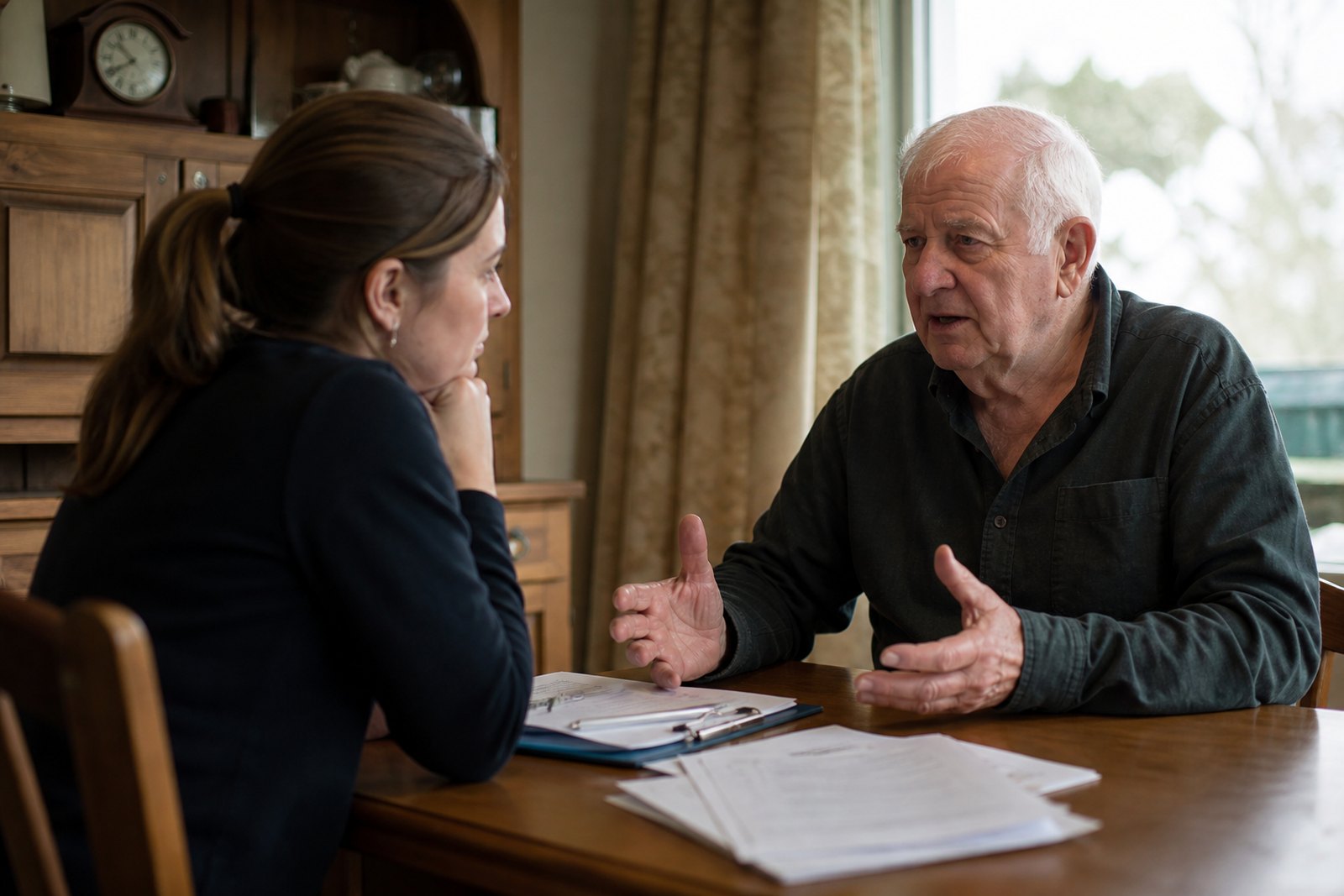
A private occupational therapy assessment is simply a home visit (or occasionally a visit elsewhere, such as a workplace) carried out by an independent, HCPC-registered occupational therapist, booked and paid for directly rather than provided through the NHS or local authority. The clinical standards are identical - the difference is how it's arranged, how quickly it happens, and who you pay.
What happens during the assessment
A typical first assessment follows a similar shape regardless of the specific reason for the visit:
- A conversation first. Understanding your priorities, what has changed, and what a good outcome looks like from your point of view.
- A walk-through of relevant areas. Often the bathroom, stairs, kitchen and bedroom - wherever daily tasks actually happen.
- Observing a task or two. Rather than relying purely on description, an OT will often ask to see a task carried out at your own pace, such as getting up from a chair or moving to the bathroom.
- Discussing options. This might cover equipment, adaptations, or simply changes to routine.
Our guide to what happens on a home visit covers this in more detail, step by step.
How long does it take?
Most first assessments take between 45 minutes and an hour and a half, depending on the complexity of what's being looked at. A focused equipment assessment for a single task may be shorter; a full home assessment ahead of a possible adaptation, or a neurological assessment covering several areas of function, tends to take longer.
How pricing typically works
Each occupational therapist covering an area sets their own fee, confirmed with you before you book - there is no hidden agency mark-up on top. As a rough, illustrative guide (always confirm the exact figure with your local therapist, as fees vary by location, experience and appointment type):
- A standard first home assessment is typically the most involved appointment, reflecting the time needed to understand your situation properly and produce a written summary afterwards.
- A focused follow-up visit - for example, reviewing how a piece of equipment is working, or a specific single-task assessment - is usually quicker and priced accordingly.
- A formal written report, such as one supporting a Disabled Facilities Grant application or intended for a third party, often carries a separate fee reflecting the additional time involved in producing a detailed document.
See our prices page for current guide pricing across the areas we cover - every therapist confirms their actual fee with you directly before any visit is booked.
What's included in the fee
A trustworthy private OT should be clear, before you book, about exactly what your fee covers - typically the visit itself, the professional time to assess and consider your situation, and a written summary or report afterwards. It's entirely reasonable to ask directly whether a follow-up conversation or a short amount of email correspondence is included, or charged separately.
What can push the cost up or down
- Travel distance - most therapists cover a defined local area; visits further afield may carry an additional travel charge, agreed upfront.
- Complexity - a straightforward single-task assessment costs less than a full home assessment covering multiple areas.
- Report requirements - a detailed written report for a grant application, solicitor, or employer typically costs more than a plain summary for your own use.
- Follow-up visits - some situations are resolved in a single visit; others benefit from one or two follow-ups, each priced separately.
Paying for the visit
Most private occupational therapists ask for payment either at the time of the visit or shortly afterwards, typically by card or bank transfer - cash-only arrangements are increasingly rare. It's entirely reasonable to ask about payment method and timing when you first book, so there are no awkward surprises on the day. If a follow-up report is being produced separately from the visit itself, ask whether that's included in the original fee or invoiced once it's ready.
Is it worth it?
This is a genuinely personal judgement, but most people who book a private assessment do so because they value speed (no NHS waiting list), a directly booked relationship with the person actually visiting them, and the ability to choose someone whose experience matches their specific situation. See our guide to choosing a private occupational therapist for a fuller checklist on making that decision well.
Frequently asked questions
Is private OT more expensive than NHS occupational therapy?
NHS occupational therapy is funded through taxation and free at the point of use where it's available, whereas private OT is fee-based. What private OT typically offers in return is faster access, more flexible scheduling, and a more direct relationship with the therapist. Neither route is automatically "better" - it depends on your circumstances and how urgently you need support.
Will I be told the cost before the visit happens?
Yes - a trustworthy private occupational therapist will confirm their fee before you book, not after the visit has taken place. Be cautious of any pricing that stays vague until the visit is already under way.
Does the fee include any equipment I might need?
Usually not - the fee covers the assessment and advice, while any recommended equipment is typically purchased separately, from a supplier of your choosing. Your OT should explain clearly what they're recommending and why, rather than pushing a particular product or supplier.
Next steps
If you'd like to arrange an assessment, visit our areas we cover page to find your local occupational therapist, and see current guide pricing on our prices page.
Talk to an occupational therapist near you
This guide is general information. For advice about your own situation - or someone you look after - a local occupational therapist can visit you at home and see it for themselves.
Choose your area: