

Carer's Allowance: Who Can Claim and What Else Carers Can Get
By Mobile Occupational Therapist • 27 October 2026 • 11 min read
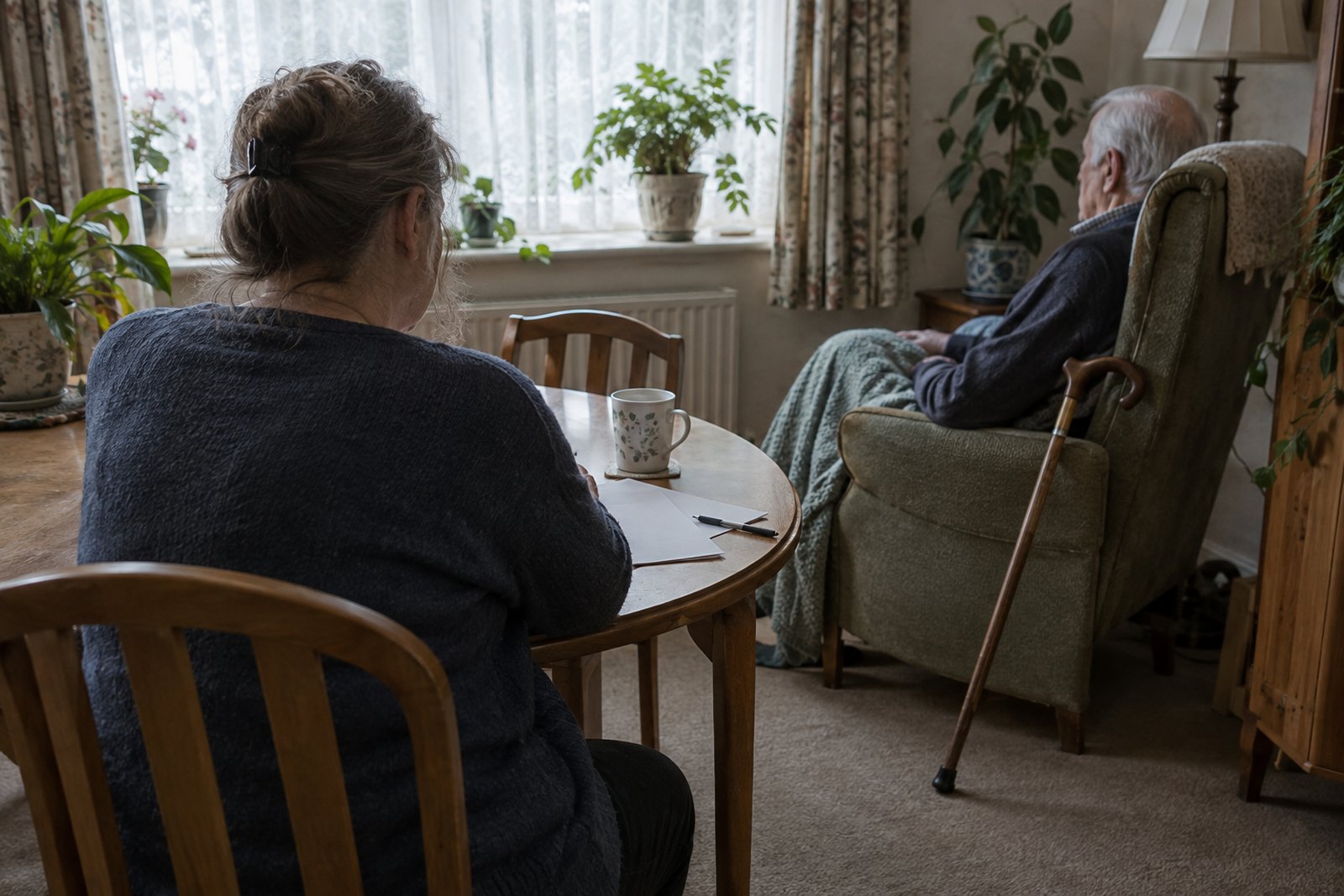
Carer's Allowance is a weekly benefit for people who spend at least 35 hours a week looking after someone who gets a qualifying disability benefit. You do not have to be related to them or live with them. You need to be 16 or over, not in full-time education, and earning less than a set weekly amount after certain deductions. The weekly rate and the earnings limit both change every April, so check the current figures on GOV.UK rather than trusting a number from an old leaflet or forum post.
So the short answer to "can I claim?" is often yes. The longer answer is that Carer's Allowance can change other benefits, both yours and those of the person you look after, and it is only one piece of the help available. Plenty of carers never claim Carer's Credit, a council tax discount or a carer's assessment, simply because nobody mentioned them. This guide goes through the lot, and then looks at the part most benefit guides skip: making the physical work of caring lighter.
Who can claim Carer's Allowance
In broad terms, you can claim if all of these apply:
- You care for one person for at least 35 hours a week.
- That person gets a qualifying disability benefit (see below).
- You are 16 or over.
- You are not in full-time education, which for this benefit means 21 hours or more a week of supervised study.
- Your earnings, after tax, National Insurance and certain expenses, are below the weekly limit.
- You meet the residence rules, which usually means you normally live in Great Britain.
You do not need to be the person's partner, son or daughter. Friends, neighbours and grandchildren can claim too.
The qualifying benefits
The person you care for needs to be getting one of these:
- Attendance Allowance
- The daily living part of Personal Independence Payment (PIP), at either rate
- The care part of Disability Living Allowance (DLA) at the middle or highest rate
- Armed Forces Independence Payment
- Constant Attendance Allowance at certain rates, paid with an industrial injury or war disablement pension
In Scotland, the Scottish disability payments that are replacing these also count. If the person you look after has not yet claimed a disability benefit, that is often the first job. Our guide to Attendance Allowance and daily living explains how to describe care needs honestly and fully, which is where many claims fall down.
What counts towards 35 hours
Caring is more than hands-on personal care. It includes helping someone wash, dress, eat, use the toilet and take medicines, but also keeping an eye on them, sorting their post and bills, cooking for them, doing their shopping, taking them to appointments and being up with them at night. Most carers underestimate their hours because so much of it is done in bits.
Two rules catch people out. You cannot add together hours spent caring for two different people to reach 35. And only one person can be paid Carer's Allowance for looking after the same person in any week, even if two of you share the work.
Earnings: the cliff edge
The earnings limit is strict. If your earnings in a week go over it, even by a small amount, you are not entitled to Carer's Allowance for that week. Earnings are worked out after tax and National Insurance, and some costs can be deducted, such as part of your pension contributions and some of what you pay for care for the person while you work. GOV.UK sets out exactly what can be deducted. If your hours or pay vary, keep careful records and report changes straight away. Overpayments usually have to be paid back.
The catches: how it affects other benefits
This is the part worth reading twice before you claim.
The person you care for
If the person you look after gets certain means-tested benefits, such as Pension Credit or Housing Benefit, they may receive an extra amount because they are severely disabled and nobody is paid to care for them. When someone starts getting Carer's Allowance for them, that extra amount can stop. In some households that means the family as a whole is worse off. It is worth sitting down together and getting a proper benefits check before anyone applies.
Your own benefits
- State Pension. Carer's Allowance overlaps with State Pension. If your State Pension is the same as or more than Carer's Allowance, you will not be paid Carer's Allowance. You may still have what is called "underlying entitlement", which can increase Pension Credit or other means-tested help. It is often worth claiming for this reason alone.
- Universal Credit. Carer's Allowance counts as income, but you may get an extra carer amount added to your Universal Credit. You can sometimes get that carer amount even if you cannot get Carer's Allowance, for example because you earn too much.
- Tax. Carer's Allowance is taxable income, although many carers do not earn enough for this to matter.
A free benefits check from Citizens Advice, Carers UK, Age UK or your council's welfare rights team takes the guesswork out of this. The independent benefits calculators linked from GOV.UK are a good start too.
Scotland, Wales and Northern Ireland
In England and Wales, you claim Carer's Allowance through GOV.UK. In Scotland, Carer's Allowance has been replaced by Carer Support Payment, run by Social Security Scotland. The basic idea is the same, but some rules differ, including for some students, so check the Social Security Scotland pages rather than relying on GOV.UK. In Northern Ireland, Carer's Allowance is run separately and you claim through nidirect.
How to claim
You can apply online on GOV.UK or by post. Have these ready:
- Your National Insurance number
- The name, date of birth and National Insurance number of the person you care for, and which disability benefit they get
- Your bank details
- Details of any work and pay, including recent payslips
- Details of any course you are on
Carer's Allowance can usually be backdated up to three months if you met the rules during that time. If the person you care for is still waiting for a decision on their disability benefit, ask about the timing rules, because you may be able to get your claim backdated once their award comes through.
Once you are getting it, tell the Carer's Allowance Unit about changes: your earnings, your hours of caring, a hospital stay for either of you, the person moving into a care home, or a long holiday. Short breaks are allowed within limits, and GOV.UK explains how these work.
What else carers can get
Carer's Credit
Carer's Credit is a National Insurance credit that protects your State Pension record while you are caring. The threshold is lower than Carer's Allowance: at least 20 hours a week caring for someone who gets a qualifying disability benefit (or with other accepted evidence of caring), and you can add together hours for more than one person. If you already get Carer's Allowance, you get National Insurance credits automatically and do not need to apply separately. If you share caring with a sibling, one of you might claim Carer's Allowance and the other Carer's Credit.
A carer's assessment
Anyone who looks after an adult and appears to need support can ask the council for a carer's assessment, whether or not they get any benefits. It looks at how caring affects your health, work, sleep and life, and can lead to practical help, breaks or a direct payment. Our guide to the carer's assessment explains how to ask and what to say.
Council tax
Some carers who live with the person they look after can be "disregarded" for council tax, which can bring a discount. The rules depend on who you are caring for, whether you are their partner, and which benefits they get. Separately, a home with adaptations for a disabled person may qualify for a lower band. Ask your council's council tax team; the rules are set nationally but you claim locally.
Breaks
Breaks are not a luxury. Councils, carers' centres and charities can help arrange sitting services, day centres and short stays. Our guide to respite care and short breaks covers what exists and who pays.
Rights at work
If you work, you have the right to ask for flexible working. In England, Scotland and Wales, employees can also take a short period of unpaid carer's leave each year. Acas explains both clearly, and it is worth knowing them before you talk to your manager.
Carers' centres, your GP and Carers UK
Most areas have a local carers' centre that offers advice, benefits help, peer support and sometimes small grants. Your council can tell you where yours is. Ask your GP surgery to record you as a carer; it can help with appointment flexibility and you may be offered a free flu vaccine. Carers UK runs a national helpline and has detailed, up-to-date guides on every benefit mentioned here.
Where an occupational therapist fits
An occupational therapist is not a benefits adviser. For questions about Carer's Allowance, overlapping benefits or appeals, go to Citizens Advice, Carers UK or a welfare rights service. If caring is wearing down your own health, physically or mentally, see your GP. Back pain, exhaustion and low mood in carers are common and deserve proper attention.
Where an occupational therapist does help is with the physical work of caring. Money matters, but so does whether you are hauling your dad up the bed four times a night. An occupational therapist visiting at home can look at the tasks that take the most out of you and work out what would make them safer and lighter. That might mean:
- Moving and handling equipment such as slide sheets for turning in bed, transfer boards for moving between bed and chair, stand aids or a hoist where someone cannot bear their own weight, but only after an assessment and being shown how to use it safely.
- Bathroom and toilet equipment such as raised toilet seats, toilet frames, shower chairs and bath boards, so washing takes less lifting.
- Bed and chair changes such as raising furniture to the right height so standing up takes less help.
- Adaptations such as rails, level access showers or ramps, with a report that can support a council or grant application.
- Different ways of doing things, so the person you care for does more for themselves and you do less.
Our guide to safe moving and handling for family carers covers the basics. The key point is that you should not be taking someone's full body weight. If you are, something needs to change, and an occupational therapist can help work out what.
A private occupational therapist can also write a clear description of someone's daily needs, which some families use as supporting evidence for disability benefit claims. It can help a decision-maker understand the situation, but it does not guarantee an award. NHS and council occupational therapists can provide much of the same help free, although waits vary; a council needs assessment is the usual route to free equipment on loan.
Frequently asked questions
Can I get Carer's Allowance if I work?
Yes, as long as your earnings after the allowed deductions stay under the weekly limit and you still care for at least 35 hours a week. Check the current limit on GOV.UK each April, because it changes.
Do I have to live with the person I care for?
No. You can claim if you care for someone who lives elsewhere, as long as you provide at least 35 hours of care a week. Time spent travelling to their home on your own does not usually count, but time spent taking them to appointments or travelling with them as part of their care can count.
Will claiming reduce my mum's benefits?
It might. If she gets an extra amount for severe disability in a means-tested benefit such as Pension Credit or Housing Benefit, that can stop when someone gets Carer's Allowance for her. Get a benefits check for both of you before you apply.
Can I get Carer's Allowance and my State Pension?
Usually you cannot be paid both in full, because they overlap. But claiming can still give you underlying entitlement, which may increase Pension Credit or other help. A benefits adviser can tell you whether it is worth it.
My brother and I share the caring. Can we both claim?
Only one person can get Carer's Allowance for the same person, and you cannot split the 35 hours. The other carer may be able to get Carer's Credit if they care for at least 20 hours a week.
Can Carer's Allowance be backdated?
Usually by up to three months, if you met all the rules during that time. Mention the earlier date when you apply.
Next steps
If the physical side of caring is getting harder, see our equipment and aids page or home assessment page, check current guide prices, and choose your area below.

Talk to an occupational therapist near you
This guide is general information. For advice about your own situation - or someone you look after - a local occupational therapist can visit you at home and see it for themselves.
Choose your area: