

Work and Ergonomics in Cheshire West: A Specialist Guide
By Mobile Occupational Therapist • 2 November 2026 • 4 min read
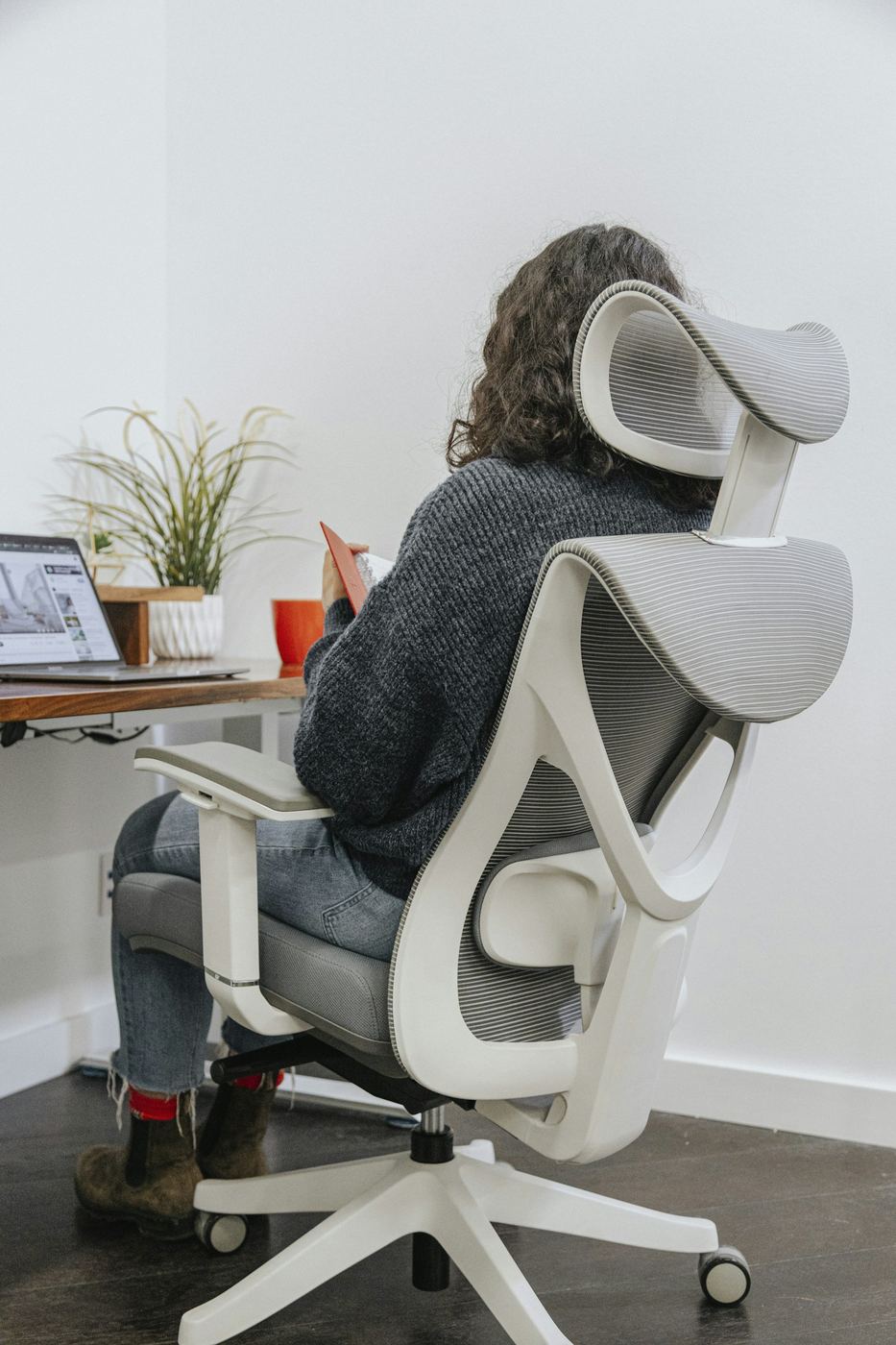
Work environments play a crucial role in determining not only our productivity but also our overall well-being. For those in Cheshire West looking to optimise their work setups or adapt to physical challenges in the workplace, understanding the role of occupational therapy in ergonomics can be invaluable. Here, we explore what ergonomic assessments involve, who they can benefit, and what to expect during the process.
What is Work and Ergonomic Occupational Therapy?
Ergonomics focuses on designing workspaces that fit the individual, rather than forcing the individual to adapt to their work environment. Occupational therapy in this context involves assessing and modifying how you interact with your workplace. Whether you're experiencing discomfort, recovering from an injury, or simply looking to improve efficiency, an ergonomic assessment can provide personalised solutions tailored to your specific needs.
Who Benefits? This type of occupational therapy can be particularly beneficial for:
- Individuals returning to work post-injury or illness.
- People with chronic conditions like arthritis or neurological disorders.
- Anyone experiencing discomfort due to their workplace setup.
- Those seeking to prevent injury and promote a healthy work-life balance.
What an Ergonomic Assessment Covers
A comprehensive ergonomic assessment sets out to identify and address any issues in your work environment.
Initial Consultation: Your ergonomic journey begins with a thorough conversation. The occupational therapist will discuss your daily tasks, any specific problems you're facing, and what goals you might have. This initial chat is vital to identify areas of concern and set a clear path forward.
Environment Evaluation: An assessment will typically include a detailed examination of your workspace. This could range from your office chair and desk setup to the lighting and ambient conditions that might contribute to discomfort. The occupational therapist evaluates all these factors to recommend practical adjustments.
Personalised Recommendations: Based on the assessment, you will be given tailored advice. This might involve adjusting your chair height, recommending footrests, or suggesting stretches and exercises to support posture and prevent strain. Read more about the specific services involved here.
What to Expect from an Ergonomic Assessment
An ergonomic assessment is not just about pinpointing problems but also empowering you with solutions. Practical advice will likely include recommendations for assistive devices or modifications that might be beneficial. From short-term aids to long-term strategies, you'll have a clear plan for addressing your needs.
The process is collaborative - you're encouraged to share your insights and feedback, ensuring that the adaptations meet your personal needs. For those who work from home, this assessment is particularly beneficial. As more people in Cheshire West explore remote working options, creating a healthy home-based workspace is more important than ever. You can delve deeper into how adaptations might help here.
Frequently Asked Questions
Is an ergonomic assessment right for me even if I don't have a physical disability?
Absolutely. Ergonomic assessments aren't solely for those with physical disabilities. Anyone experiencing discomfort or pain from their work setup can benefit. Whether it's eye strain, back pain, or repetitive stress injuries, adjustments can make a significant difference.
How can this help with my work productivity?
By addressing the physical barriers to comfort and efficiency, an ergonomic assessment can enhance focus and reduce the risk of injury. This leads to fewer work interruptions and a more sustainable balance between work demands and personal health.
What if I need further assessments or adaptations?
Some people need more than ergonomic adjustments. Occupational therapy also covers a range of other assessments, including functional capacity evaluations. Information on these broader assessments can be found here.
Next steps
If you're ready to improve your workplace ergonomics, a conversation is a good place to start. No GP referral is necessary, and a first conversation comes with no obligation. See the Cheshire West coverage page to check your town is included - it covers areas such as Chester and Ellesmere Port - or contact the office and we will be happy to help.
Occupational Therapist in Cheshire West
Get in touch
Contact the office and we will be happy to help.
Mobile Occupational Therapist
HCPC-registered occupational therapists, visiting you at home.