
Work and Ergonomics in Cheshire East: A Specialist Guide
By Mobile Occupational Therapist • 28 September 2026 • 4 min read
Local Occupational Therapist -
Gemma Cummins, Cheshire East
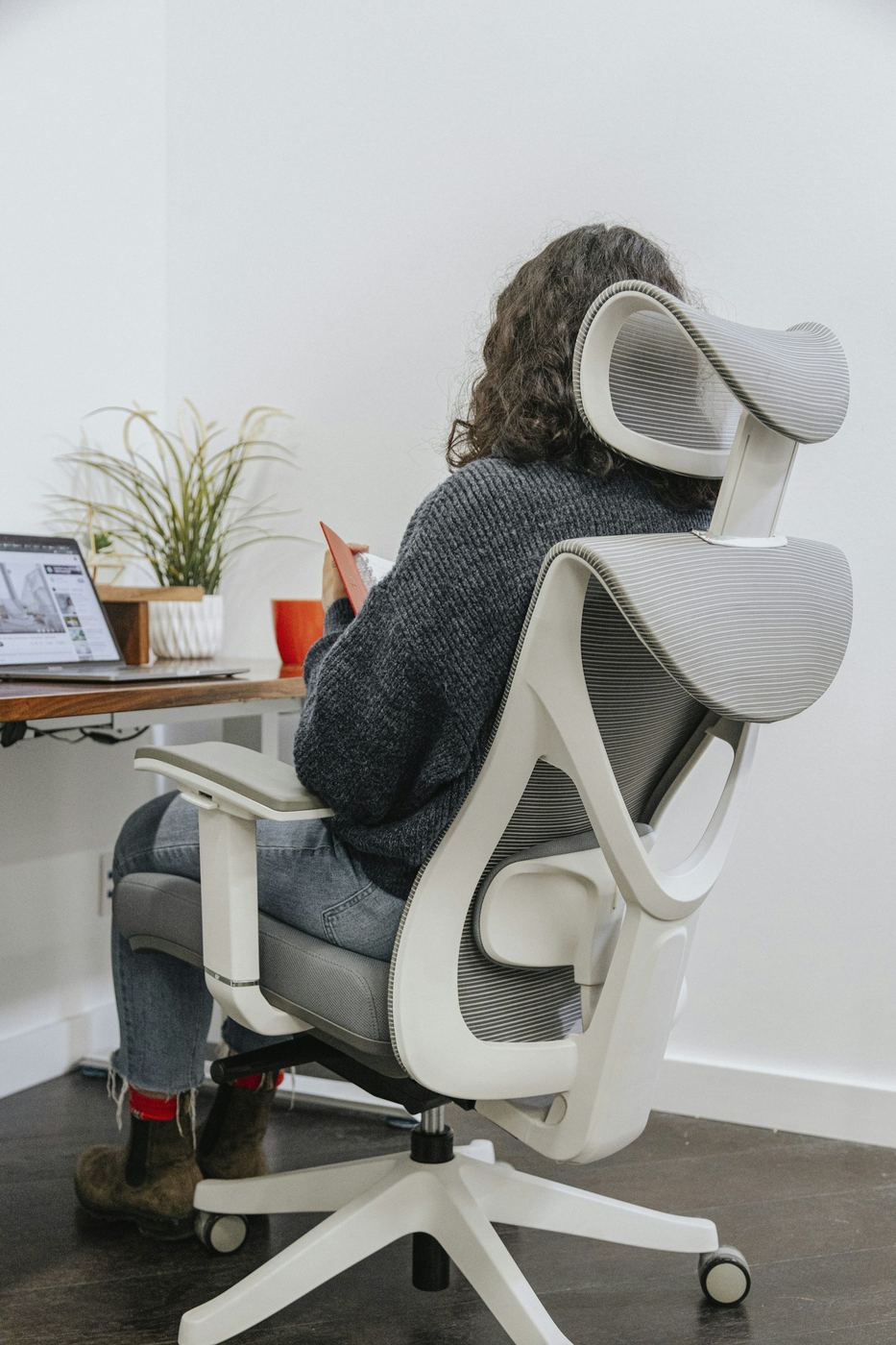
In the quaint towns of Cheshire East, like Alderley Edge and Congleton, maintaining a healthy work-life balance is essential. The concept of work ergonomics has gained traction, especially in the light of increasing remote work setups. But what exactly is occupational therapy's role in ergonomics, and how can it benefit the residents of Cheshire East? This guide will explore the essential elements of work ergonomics, what to expect from an assessment, and how it can enhance daily work life.
Understanding Occupational Therapy and Ergonomics
Occupational therapy focuses on enabling individuals to engage in meaningful activities or occupations, which includes work. When it comes to ergonomics - the science of designing the workplace, taking into account the capabilities and limitations of the worker - occupational therapists like Gemma Cummins play a pivotal role. They help ensure that work environments accommodate the needs of individuals, enhancing both comfort and efficiency.
Increased awareness about ergonomic principles can significantly reduce work-related strain and injuries. For those based around Macclesfield or Wilmslow, ergonomic assessments can unveil practical solutions to alleviate discomfort and promote healthier work habits.
Who Benefits from Work Ergonomics?
Ergonomic assessments are beneficial for everyone but particularly vital for individuals with chronic conditions like arthritis or multiple sclerosis. The ergonomic setup is crucial for maintaining productivity without compromising health.
Chronic conditions covered include:
- Arthritis: Customised adjustments to chairs and desks can reduce joint strain.
- Multiple Sclerosis: A suitable workspace can manage fatigue and mobility.
Furthermore, individuals recovering from injuries or illnesses, perhaps after a hospital stay in Crewe or Nantwich, can greatly benefit from tailored ergonomic solutions. It's about adapting the space to meet specific needs, allowing for a smoother transition back to work.
What to Expect from an Assessment?
The process of an ergonomic assessment typically begins with a detailed evaluation of the individual's workspace and daily tasks. Our approach is to identify risk factors and recommend adjustments to improve posture, reduce strain, and enhance overall workflow efficiency.
An assessment conducted by Gemma often involves considering the computer setup, chair and desk height, lighting conditions, and any additional supports like footrests or monitor stands. This comprehensive evaluation can be followed by practical solutions that fit seamlessly into the individual’s existing routines.
Our blog, Occupational Therapy Home Visit Checklist, offers insightful tips to prepare for such assessments, ensuring individuals get the most out of each session.
The Benefits of Ergonomic Solutions
Implementing ergonomic solutions isn't just about preventing aches and pains; it's about creating an environment where one can thrive. For business environments across Sandbach to Poynton, ergonomics can lead to lower absenteeism, improved morale, and increased productivity.
Key benefits include:
- Reduced risk of injury: Proper setup minimizes repetitive strain injuries.
- Increased comfort: Tailored workspaces enhance daily work experience.
Beyond physical wellbeing, a well-organised workspace can have positive psychological benefits, reducing stress and enhancing focus. Whether in a bustling office in Alsager or a peaceful home office in Handforth, the advantage of optimal ergonomics is evident.
Frequently Asked Questions
How do I know if I need an ergonomic assessment?
If you find yourself experiencing discomfort or pain during or after work, it might be time to consider an ergonomic assessment. Individuals with preexisting conditions should especially consider this service for long-term wellbeing. Having Gemma assess your work environment could mean significant improvements in daily comfort.
What changes can I expect to make?
The recommendations might range from adjusting your chair height and monitor position to more complex solutions involving specialised equipment. For more detailed guidance, explore our equipment aids service page.
Can ergonomic improvements really affect productivity?
Yes, a well-designed work environment can directly impact productivity by reducing fatigue and preventing workplace injuries, thus optimising how work tasks are performed.
Next Steps
If you're considering an ergonomic assessment or wish to explore how occupational therapy can support your work efficiency, feel free to contact us for more information. Learn more about the services Gemma Cummins offers by visiting her profile page. For pricing details, please refer to our pricing page and ensure you're making informed decisions about your workplace wellbeing.