

Sepsis Recovery at Home: The Weeks and Months After
By Mobile Occupational Therapist • 26 October 2026 • 12 min read
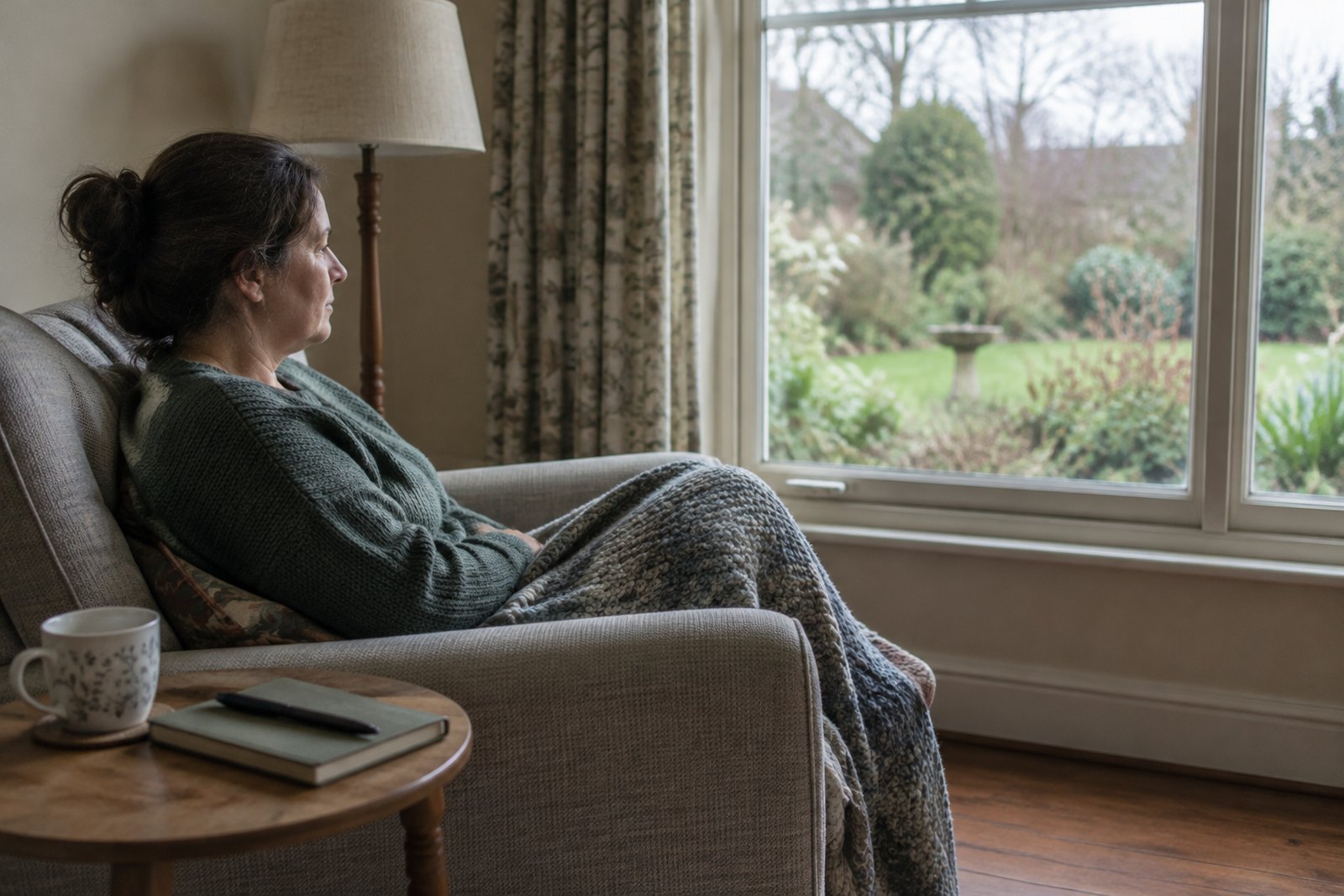
Coming home after sepsis is supposed to be the good part. You survived, you were discharged, and everyone is relieved. Then the weeks go by. You are still exhausted after a shower. Your memory feels full of holes, you cannot sleep, and you may feel frightened in a way that is hard to explain. Lots of people are surprised by how long it takes, and quietly worry that something has gone wrong.
Usually the answer is simpler than that. You have been very seriously ill, and your body and brain are still repairing. Physical, psychological and thinking problems that last weeks or months after sepsis are common enough to have a name: post-sepsis syndrome. For many people things improve gradually, though rarely in a straight line. This guide covers what to expect, what helps at home, how to approach work, and when to get urgent help again, because sepsis can happen more than once.
What post-sepsis syndrome actually means
Sepsis is the body's extreme reaction to an infection, where the immune response starts to damage your own organs. Treatment is fast and intensive, often with time in intensive care. The infection may be gone by the time you leave hospital, but the effects of being that ill do not switch off on the same day.
Post-sepsis syndrome is not a single test result. It is a way of describing the mix of after-effects people commonly have. Not everyone gets them, and they vary a lot. Someone who was in intensive care for weeks will usually have a longer road than someone treated quickly on a ward, but even a short stay can leave you flattened.
Physical effects
- Deep tiredness that rest does not fully fix
- Muscle weakness, especially in the legs, so stairs and getting out of a chair feel hard
- Aching joints and muscles
- Breathlessness when you do more than usual
- Poor appetite, changes in taste and weight loss
- Feeling cold, or sweating more than you used to
- Hair thinning, dry skin and brittle or ridged nails
Psychological effects
- Anxiety, including worry that every symptom means sepsis is back
- Low mood, tearfulness, or feeling flat and not like yourself
- Nightmares, flashbacks or vivid memories of hospital, sometimes of things that did not really happen
- Irritability and feeling on edge
Thinking and memory
- Forgetting things, losing track of conversations
- Struggling to concentrate on reading, television or paperwork
- Finding it hard to plan, make decisions or do two things at once
- Searching for words
If several of these sound familiar, you are not imagining it and you are not being weak. They are recognised after-effects, and it is worth telling your GP about them rather than waiting to see if they go away.
Fatigue: the part that catches people out
Fatigue after sepsis is not ordinary tiredness. It can arrive suddenly, it can hit the day after you did a bit more, and sleep does not reliably reset it. The usual instinct is to push through on a good day and then collapse for two days afterwards. This boom and bust pattern is very common and it tends to slow recovery down.
Pacing is the approach that usually helps. In plain terms:
- Find your baseline. Work out how much you can do on a bad day without a crash afterwards. Start there, not at what you managed on your best day.
- Split jobs up. Shower one day, wash your hair the next. Make the bed in two goes. Unload half the dishwasher.
- Sit down for tasks. Sit to dress, to prepare vegetables, to dry yourself after a wash. Standing uses more energy than you think.
- Rest before you need to. Short planned rests through the day work better than one long rest after you have run out.
- Count thinking as activity. Phone calls, forms, visitors and busy shops are tiring too. They all come out of the same budget.
- Build up slowly. Once a level feels steady for a week or so, add a little. If you crash, drop back.
A simple diary of what you did and how you felt the next day can show patterns you would never spot otherwise. Our guide to fatigue management and pacing goes into this in more detail, and the same principles apply after sepsis.
Getting stronger without overdoing it
Muscle loss during serious illness can be significant, and it comes back with use. Gentle, regular movement matters: walking a little further each week, getting up from a chair several times a day without pushing on your hands if you can do it safely, and doing small household jobs. If you were given exercises by a hospital physiotherapist, keep going with them.
Be careful with stairs, bathing and getting up at night in the early weeks, when legs are weak and you may feel dizzy. Getting a rail fitted, using a shower seat, or keeping a light on at night are small changes that can make the difference between managing and having a fall.
Sleep
Many people sleep badly after sepsis. Hospital routines, nightmares, pain, breathlessness and worry all play a part. Some things that tend to help:
- Keep a regular time for getting up, even after a poor night.
- Keep daytime rests short and earlier in the day if you can, so they do not steal your night.
- Have a wind-down routine: same order of things, low light, no news.
- If you wake from a nightmare, get your bearings. Put the light on, say where you are, look at something familiar.
- If you lie awake for a long time, get up, do something calm somewhere else and go back when sleepy.
If sleep is still poor after several weeks, or nightmares are frequent, talk to your GP. Do not start or stop any medicine for sleep without advice.
Appetite, hair and skin
Appetite often comes back slowly. Small meals and snacks every few hours are easier than three big plates. Foods with some protein, such as eggs, yoghurt, cheese, fish, beans or milky drinks, help muscles rebuild. If food tastes odd, try stronger flavours, or colder foods if warm smells put you off. If you keep losing weight, or cannot eat enough, tell your GP, who can refer you to a dietitian.
Hair thinning or shedding a few weeks or months after serious illness is common and is often temporary, and dry skin and ridged nails usually settle with time too, but mention them to your GP if they worry you.
Infections and when to get urgent help again
This is the most important section. Having had sepsis does not make you immune to it, and some people are more vulnerable to infections for a while afterwards. You do not need to live in fear, but you and the people around you should know the warning signs.
Call 999 or go to A&E if you or the person you care for:
- Is confused, has slurred speech or is not making sense
- Has blue, grey, pale or blotchy skin, lips or tongue
- Has a rash that does not fade when you roll a glass over it
- Is struggling to breathe, very breathless or breathing very fast
Call NHS 111 or your GP urgently if you feel very unwell, feel that something is seriously wrong, have not passed urine all day, or have signs of an infection that is getting worse.
When you speak to anyone, say clearly that you have had sepsis before, and ask directly: could this be sepsis? It is a reasonable question and nobody will think you are fussing. The signs are listed on the NHS sepsis page, and it is worth checking there for the current wording. Many families keep a note of the signs on the fridge.
It also helps to look after the basics: wash your hands, keep cuts clean and covered, ask your GP or pharmacist which vaccinations you are due, and do not ignore a urine infection or chest infection that is not improving.
Your mind needs recovery too
Psychological after-effects are often the least talked about and the most distressing. Flashbacks, panic, low mood and a constant sense of threat are understandable after a near-death illness. They are also treatable.
Talk to your GP. In England you can also refer yourself to NHS Talking Therapies for anxiety and depression. Some hospitals run follow-up clinics for people who were in intensive care, so if you were, ask whether one is available to you. Our guide to getting mental health support in the UK explains the routes.
If you have thoughts of harming yourself or ending your life, get help now: call 999, NHS 111, or Samaritans on 116 123.
For memory and concentration, simple strategies help while the brain recovers: one notebook or calendar for everything, phone reminders, a fixed place for keys and glasses, and doing demanding tasks at your best time of day. Ask people to give you information one thing at a time.
Going back to work
Many people try to go back too soon, often for good financial reasons, and find they cannot sustain it. A gradual return usually works better than an all-or-nothing date.
- Your GP or hospital doctor can give you a fit note. It can say you may be fit for work with changes, such as reduced hours or altered duties.
- A phased return to work builds up your hours over several weeks. Agree it in writing with your employer.
- If your employer has an occupational health service, ask for a referral.
- Think about fatigue as well as hours. A short commute, fewer meetings, regular breaks and some home working can matter as much as part-time days.
Check GOV.UK for current guidance on fit notes and your rights, and talk to your employer early rather than struggling silently.
For family and friends
Families often carry their own shock from the hospital weeks, and then find the person who came home is tired, forgetful or changed. A few things help. Learn the warning signs above. Encourage pacing rather than urging them to do more. Do not take irritability personally. Help with the admin, such as appointments, sick pay and benefits forms, because that is often what overwhelms people with poor concentration. And look after yourself too: you may be entitled to a carer's assessment from your council.
Where an occupational therapist fits, and who else to involve
Your GP is the starting point. They oversee your recovery, check for ongoing problems with organs such as kidneys or lungs, and refer you on. If you get new or worsening symptoms, that is a GP or urgent care question, not a therapy one.
A physiotherapist leads on strength, walking, balance and breathing exercises. A dietitian helps with weight loss and poor appetite. Psychological services treat anxiety, depression and trauma symptoms. People who had amputations or organ damage will have specialist teams too.
An occupational therapist focuses on getting everyday life working again. That can mean:
- Setting up a realistic pacing plan around your actual day
- Working out easier ways to wash, dress, cook and manage the house while you rebuild strength
- Recommending equipment such as a shower seat, rails or a perching stool, and checking it fits you and your home
- Practical strategies for memory, concentration and planning
- Planning a return to work, hobbies or driving step by step
After discharge some people get NHS rehabilitation or reablement at home, but not everyone does, and it may end before you feel recovered. A private occupational therapist visiting at home can help fill that gap. Our page on recovering after hospital explains more.
Frequently asked questions
How long does it take to recover from sepsis?
It varies widely. Some people feel close to normal within weeks, while others notice effects for many months, particularly after a long stay in intensive care. Progress is often uneven, with setbacks along the way. If you are not improving, or getting worse, see your GP.
Is post-sepsis syndrome a real condition?
Yes. It is a recognised description of the physical, psychological and thinking problems that can follow sepsis. The UK Sepsis Trust has information and support for survivors and families, and it is worth showing your GP if you feel your symptoms are being brushed aside.
Can you get sepsis again?
Yes, it can happen again, and some people are more prone to infections for a time after sepsis. Know the warning signs, act early on infections, and call 999 if someone is very unwell, confused or struggling to breathe.
Why am I losing hair months after sepsis?
Hair shedding some weeks or months after a serious illness is common and is often temporary. Mention it to your GP, particularly if it carries on or comes with other symptoms.
Should I be exercising during sepsis recovery?
Gentle, gradual activity usually helps, but pushing hard on good days often leads to a crash. Follow any plan from your physiotherapist, build up slowly, and ask your GP before starting anything strenuous.
When can I go back to work after sepsis?
There is no fixed time. It depends on your recovery and your job. Talk to your GP about a fit note, and to your employer about a phased return with adjusted hours or duties.
Next steps
If daily life at home still feels like hard work weeks after sepsis, an occupational therapist can help you pace, adapt and rebuild. See our hospital discharge page, or current guide prices, and choose your area below.
Talk to an occupational therapist near you
This guide is general information. For advice about your own situation - or someone you look after - a local occupational therapist can visit you at home and see it for themselves.
Choose your area: