

Bed Sores and Pressure Sores: How to Prevent Them
By Mobile Occupational Therapist • 17 September 2026 • 9 min read
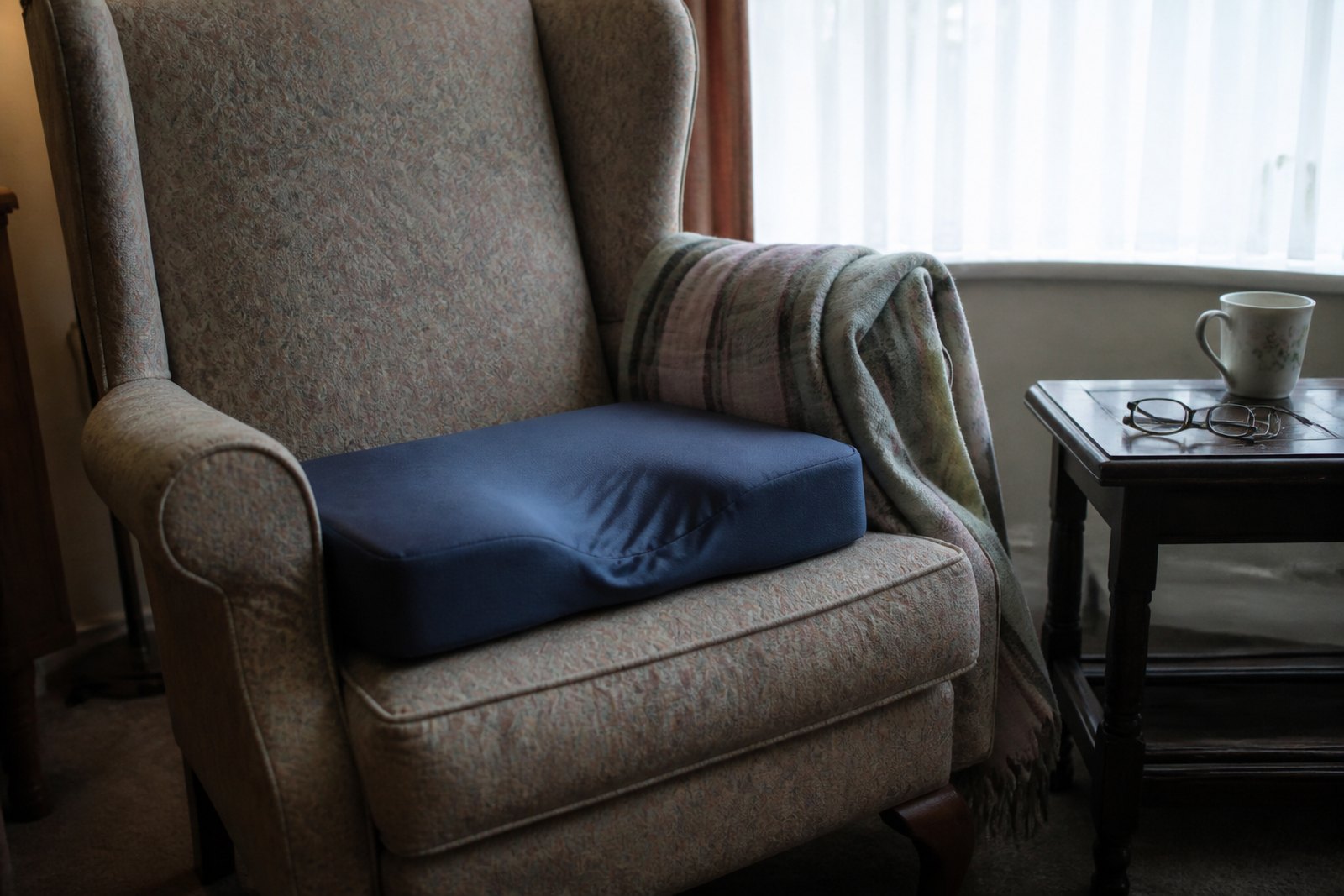
Bed sores and pressure sores are the same thing under two names - the everyday one and the clinical one. You may also see them called pressure ulcers or pressure damage. Whichever term you have been given, they are prevented by three things working together: changing position regularly, using pressure relief equipment - a cushion and mattress matched to the person's level of risk - and checking the skin every day so any early damage is caught while it is still reversible. The early warning sign is a patch of red or darkened skin that does not fade when you press it. That sign needs clinical advice the same day, from a district nurse or GP, because a sore can go from a red mark to an open wound in a matter of days. Everything else in this guide is about stopping it getting to that point.
The warning sign that cannot wait
Before any talk of cushions and mattresses, this is the part to act on. Press gently on any red or discoloured patch over a bony point such as the heel, hip or base of the spine. Healthy skin goes pale under your finger and pinks up when you let go. Skin that stays red - non-blanching redness - is pressure damage that has already started underneath. On darker skin the colour change is harder to see, so go by feel as well: a patch that is warmer, cooler, spongy or unusually firm, or newly painful, deserves the same response.
- Contact the district nursing team or GP the same day. Early damage treated promptly usually heals; damage left a week can become a deep wound that takes months.
- Keep all pressure off the area until someone has looked at it.
- Never rub or massage the patch. It feels helpful and it makes the damage worse.
Why pressure sores happen
A pressure sore is skin and the tissue beneath it dying because its blood supply has been squashed shut - body weight pressing skin against a surface over a bony point: heels, the base of the spine, hips, elbows, shoulder blades. Sliding down a bed or chair adds shearing, which drags tissue layers against each other, and damp skin breaks down faster still. Anyone who sits or lies in one position for long periods is at risk, and reduced sensation raises it further, because the discomfort that prompts the rest of us to shift never arrives - relevant in diabetes, spinal injury and conditions such as multiple sclerosis.
Repositioning: the foundation everything else sits on
No cushion or mattress replaces changing position. Equipment buys time between position changes; it does not remove the need for them.
- Change position regularly. How often depends on the person's skin, weight, mobility and the surface they are on - it is exactly the question a district nurse answers at assessment, so ask rather than guess.
- Small shifts count. Tilting from one buttock to the other in a chair, or a pillow moved to change the angle of the hips, relieves the loaded area without a full turn.
- Take the heels off the bed. A pillow lengthways under the calves, leaving the heels floating free of the mattress, is simple and genuinely effective against one of the commonest sores.
- Watch out for sliding. Slipping down the bed and being dragged back up causes shear damage each time - technique matters as much as frequency, and nurses and therapists will happily teach it to family carers.
Pressure relief cushions: grades and what they mean
Cushions and mattresses come in broad grades, matched to how much risk a person carries. The names vary between manufacturers, but the ladder is roughly this:
- Foam - shaped or high-density foam that spreads weight over a larger area, for lower risk: someone who moves themselves but sits for long spells.
- Gel and foam-gel combinations - a step up for moderate risk, keeping skin cooler and spreading load further.
- Air-filled and alternating cushions - static air cells, or cells that inflate and deflate in sequence so no patch of skin is loaded continuously. For high risk, and they need professional set-up to get the inflation right.
Two things matter more than the brand. First, the grade has to match the person - a clinical judgement, not a catalogue choice; a cushion that is too soft lets bony points sink through to the base and defeats the object. Second, avoid ring or doughnut cushions altogether: they concentrate pressure in a circle around the very tissue they are meant to protect and restrict its blood supply. They are still sold, and they are still a bad idea.
Pressure relieving mattresses
Mattresses follow the same ladder: high-specification foam for lower to moderate risk, hybrid foam-and-air designs in the middle, and alternating air mattresses with a pump where the person cannot reposition themselves. An alternating mattress is not something to buy speculatively - it needs the right setting for the person's weight, so it belongs with a nursing assessment.
The practical good news is that in the UK you rarely need to buy this equipment. Where a district nurse or therapist assesses someone as needing it, a cushion or mattress is normally supplied on free loan through the local community equipment service, delivered within days and maintained while it is out. Buying privately is reasonable, but get the grade recommended first - equipment runs from modest money for a foam cushion to a four-figure sum for a powered mattress system, and the wrong grade is wasted at any price. Our equipment and aids service covers how assessment and supply fit together.
Chairs matter as much as beds
Pressure care has a habit of focusing on the bed, but sitting concentrates far more weight through far less skin than lying does. A person who is carefully turned all night and then spends ten hours wedged in an armchair is not protected.
- The chair cushion deserves the same thought as the mattress - and the cushion has to suit the chair as well as the person, since it changes seat height and armrest position.
- Posture is pressure care. Feet flat on the floor or a footplate, hips back in the seat, weight through the thighs rather than perched on the base of the spine. A slumped position loads exactly the wrong spot and adds shear.
- Break up long spells of sitting - standing, a short walk, or a lean forward to unload the buttocks all help.
- The chair itself may be the problem. A seat that is too low, too deep or too soft makes slumping inevitable. Our guide to choosing the right chair, seating and riser recliners covers this in detail, including how a riser recliner changes the pressure picture.
Check the skin every day
Prevention only works if someone is looking. Once a day - bath, shower or bedtime is the natural moment - check the pressure points: heels, ankles, base of the spine, hips, elbows, and anywhere equipment or clothing presses. A long-handled mirror helps for areas you cannot see; where a family member or carer helps with washing or dressing, build the check into that routine. Keep skin clean and dry, deal with continence problems promptly rather than stoically, and remember that eating and drinking poorly makes skin break down faster and heal slower - appetite is part of pressure care too.
Who to ask, and who does what
Pressure sore prevention in the elderly and in anyone at risk at home is mainstream NHS work, and you do not need to navigate it alone. The district nursing team, reached through the GP surgery, assesses risk, grades any existing damage, prescribes cushions and mattresses, and teaches repositioning. An occupational therapist looks at the wider picture the nurse's visit may not reach: the chair someone actually sits in, how they transfer, how long they are left sitting, and the daily routine that decides whether repositioning really happens - which is why pressure care so often comes up during a home assessment after a hospital stay. If someone is newly home and at risk, say so early; our guide to discharge planning for families explains what should be in place before problems start.
Who benefits most from proper pressure care
- Anyone who spends most of the day in a bed or chair and cannot easily shift their own weight
- People recently home from hospital, especially after surgery, a fracture or a long stay
- People with reduced sensation - from diabetes, spinal injury or neurological conditions
- Anyone who has had a pressure sore before, because once-damaged skin breaks down more easily
- Family carers who are doing the repositioning and want to know they are doing it well
Frequently asked questions
What is the best pressure relief cushion?
The one matched to your level of risk - there is no single best cushion. Foam suits lower risk, gel combinations moderate risk, and air or alternating cushions high risk. The grading is a clinical judgement, and in the UK a district nurse or therapist can assess you and supply the right cushion on free loan through the community equipment service. The only universal rule is a negative one: avoid ring or doughnut cushions, which restrict blood supply to the tissue they surround.
How do you prevent pressure sores in elderly people?
Regular position changes, a cushion and mattress matched to risk, daily skin checks over the bony points, keeping skin clean and dry, and eating and drinking well. Pay as much attention to the chair as the bed - long spells of unbroken sitting are a common cause. If a red or dark patch does not fade when pressed, keep pressure off it and contact the district nurse or GP the same day.
Do I need a pressure relieving mattress?
If you or the person you care for cannot change position independently, spends long periods in bed, has reduced sensation, or has had any red marks over bony points, ask the GP surgery for a district nurse assessment rather than buying speculatively. The assessment decides the grade - high-specification foam through to an alternating air mattress - and NHS-prescribed mattresses are normally loaned free, set up correctly and maintained.
Next steps
If you are managing pressure care at home - or worried about someone who spends most of the day sitting or in bed - an occupational therapy home visit can look at the seating, the routine and the equipment together, and make sure the right referrals are in motion. Find your local therapist through our areas we cover page, or see current guide pricing.
Talk to an occupational therapist near you
This guide is general information. For advice about your own situation - or someone you look after - a local occupational therapist can visit you at home and see it for themselves.
Choose your area: