

NHS Wheelchair Services: How to Get a Wheelchair
By Mobile Occupational Therapist • 17 September 2026 • 7 min read
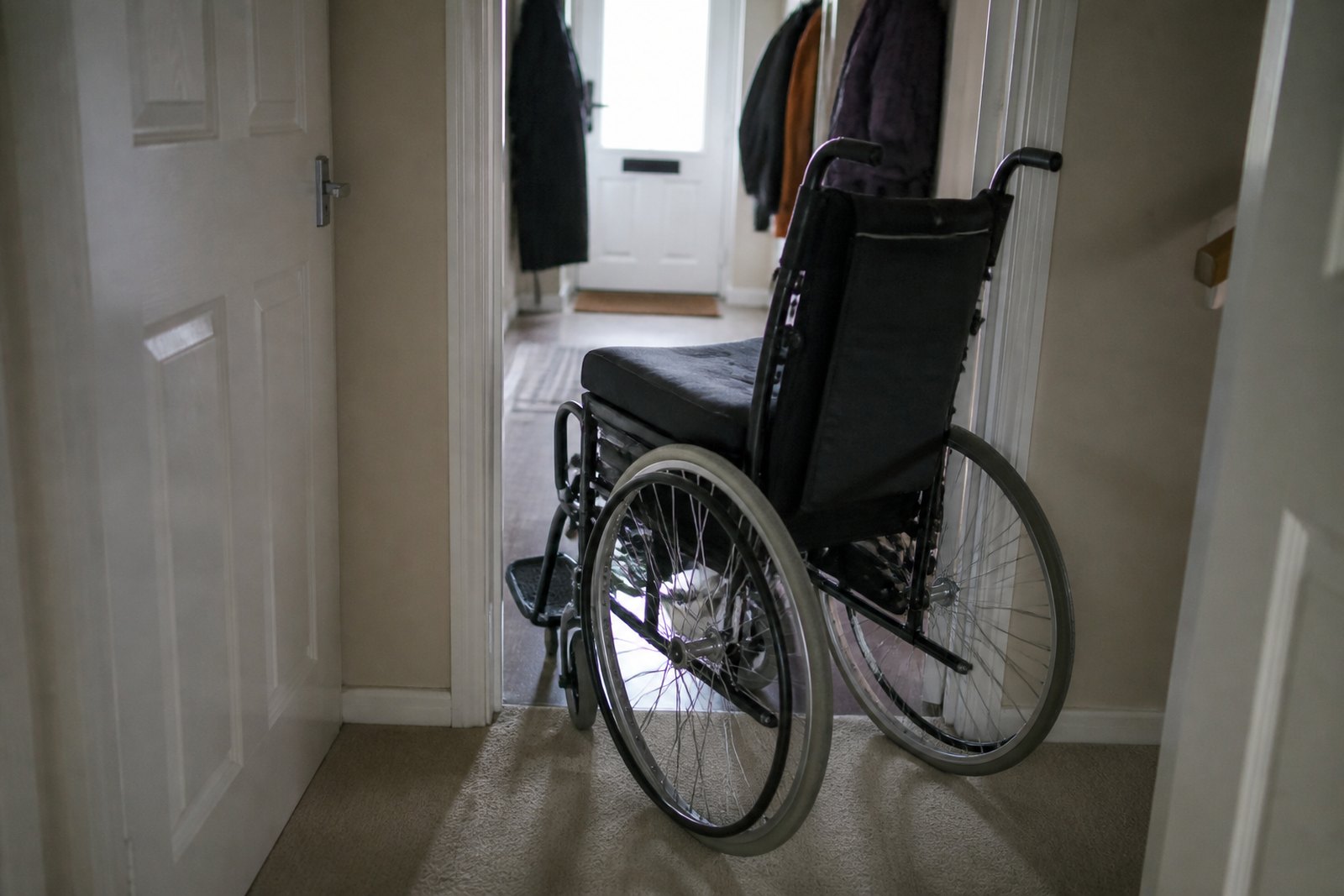
If you or someone you love is struggling to get about, the short answer is this: NHS wheelchair services exist in every area of the UK, they are usually free at the point of use, and in many areas you can contact them yourself without going through anyone. The longer answer is that they are local services, commissioned area by area, and their criteria are not identical. So the honest response to "will I qualify for an NHS wheelchair?" is that it depends where you live, what you need the chair for, and how often you need it. This guide explains how the route works, what happens at a wheelchair assessment, and what your options are if the wait is long.
What NHS wheelchair services are
A wheelchair service is a specialist NHS team - usually occupational therapists, physiotherapists and rehabilitation engineers or technicians - who assess people, prescribe wheelchairs and seating, and maintain the equipment they issue. They are not a shop. They provide the chair on long-term loan, they set it up for you, and they repair it when something goes wrong.
Because each service is commissioned locally, eligibility differs. Most work on the principle that a wheelchair is provided where there is a long-term need - broadly, where mobility difficulty is expected to last several months or more and affects daily life. Short-term needs after an operation are usually handled differently, often through a loan scheme. Some services will provide a chair for occasional outdoor use; others prioritise people who cannot walk indoors at all. It is worth ringing your local service and asking directly rather than assuming you will be turned away.
How referrals usually happen
There is more than one door in, and people are often surprised by how many:
- Your GP. The most familiar route, and a reasonable one if you have no other professional involved.
- A hospital therapist. If you are an inpatient or attending outpatients, the occupational therapist or physiotherapist who knows you can refer. This is common when someone is coming home from a hospital stay.
- A community OT or physiotherapist. If a community team is already involved, they can refer and will usually add useful detail about your home.
- Yourself. Many services now accept self-referral. Ring and ask - a five-minute phone call can save weeks of waiting for someone else to send a form.
Whoever refers, the same information speeds things up: what you can and cannot do, how far you can walk, and what you are trying to do that you currently cannot. A private occupational therapist can also assess and write a supporting report, which helps when a need is complex - see functional assessments and reports.
What a wheelchair assessment covers
A wheelchair assessment is not a tape measure and a catalogue. It is a proper look at you, your body and your life. Expect the assessor to cover:
- Your posture and how you sit. Whether you sit symmetrically, whether you slide forward, whether you have pain, and whether your skin is at risk. This drives the choice of cushion and back support as much as the chair itself.
- Propulsion. Whether you will push yourself, whether someone else will push you, or whether you need a powered chair. Arm strength, shoulder condition, grip and stamina all matter here.
- Your home. Doorway widths, thresholds, turning space, steps at the entrance, and whether you can get the chair in and out at all.
- Transfers. How you get in and out of the chair, on and off the bed and toilet, and whether you need armrests that swing away or a particular seat height.
- What you want to do with it. Indoors only, the school run, work, a car boot, a bus. The right chair for someone who needs to lift it into a car is not the right chair for someone using it all day.
The types of chair, briefly
A basic manual wheelchair - sometimes called an attendant or transit chair - has small rear wheels and is designed to be pushed by someone else. It is light and folds, but you cannot propel it yourself. A self-propelled chair has large rear wheels with hand rims so you can push yourself; set-up matters enormously here, because a chair with the axle in the wrong place makes every push harder and, over years, damages shoulders. A powered wheelchair is controlled by a joystick or alternative control and is provided where someone cannot self-propel but can safely drive; indoor, indoor-outdoor and outdoor models differ in size, range and kerb-climbing. Specialist seating is a custom or highly adjustable seating system for people with significant postural needs, prescribed alongside the chair rather than instead of it.
If your difficulty is distance and confidence rather than being unable to walk, the answer may not be a wheelchair at all - plenty of people are better served by the right stick or wheeled walker.
Personal wheelchair budgets in plain English
If you are eligible for a chair from the NHS, you can usually choose to take a personal wheelchair budget instead of the standard issue chair. In practice this means the value of the NHS provision can be put towards a different chair - one from another supplier, or a model with features the standard range does not offer - with you or a charity making up any difference. There are two broad versions: keeping the chair within NHS ownership and maintenance, or taking ownership yourself, in which case servicing and repairs become your responsibility. The wheelchair service will explain which options they offer. The important point is that you are still assessed first - the budget changes where the chair comes from, not whether it suits you.
Waiting times, and the honest alternatives
Waits vary enormously and in many areas they are long - months rather than weeks for a routine assessment, and longer again for complex seating. It does no one any good to pretend otherwise. If you need something in the meantime:
- Short-term loan schemes. The British Red Cross and similar local charities lend wheelchairs for short periods, often for a small donation. The sensible first call after surgery or for a one-off trip.
- Buying privately. Legitimate, and sometimes the right answer - but get assessed first, even privately, so you know what you are buying.
- Borrowing from a community equipment loan store where your area runs one, usually via a therapist.
What we would steer you away from is ordering an unassessed chair online because it is cheap and available tomorrow. A wheelchair is prescribed equipment, not a commodity. The wrong seat width lets you slide and rub; the wrong cushion is a genuine pressure-sore risk, which is why we wrote about choosing daily living equipment properly; and a badly set-up self-propel chair is a reliable route to shoulder injury in someone who cannot afford to lose arm function.
Frequently asked questions
Can I refer myself to NHS wheelchair services?
In many areas, yes - self-referral has become common, though not universal. Ring your local wheelchair service and ask how they take referrals. If they need a professional referral, they will tell you who can make it.
How long does an NHS wheelchair assessment take?
The appointment itself usually takes an hour or more, at a clinic or at home. Getting to it is the slow part in most areas, and delivery afterwards depends on whether a standard chair can be issued from stock or something has to be ordered and set up.
Will the NHS provide a powered wheelchair?
Sometimes, but criteria are tighter than for manual chairs. Services look at whether you can self-propel, whether you can safely control a powered chair, and whether your home and usual routes can accommodate one. If refused, ask what the reasoning was and whether a personal wheelchair budget would change the answer.
Next steps
If you are unsure whether a wheelchair is the right answer, or you want someone to look at the whole picture - the chair, the doorways, the transfers and the front step - an occupational therapy assessment is the place to start. We visit at home, work out what you actually need, and write the clear report that referrals and funding applications depend on. See equipment and aids and home assessments. To find an OT near you, see the areas we cover and our prices.
Talk to an occupational therapist near you
This guide is general information. For advice about your own situation - or someone you look after - a local occupational therapist can visit you at home and see it for themselves.
Choose your area: