Neurological Rehabilitation at Home in Staffordshire: What It Involves and Why It Works
By Mobile Occupational Therapist • 1 September 2026 • 6 min read
Local Occupational Therapist -
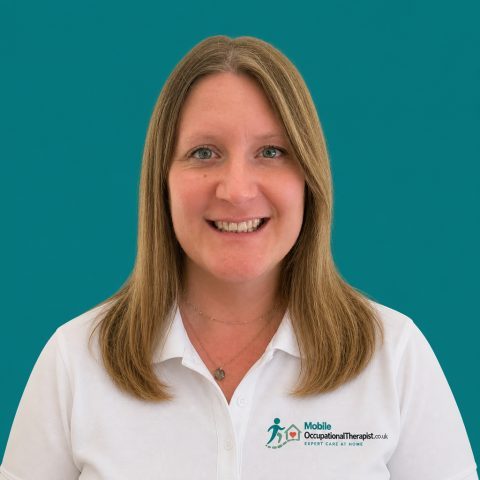
Helen Harrison, Staffordshire
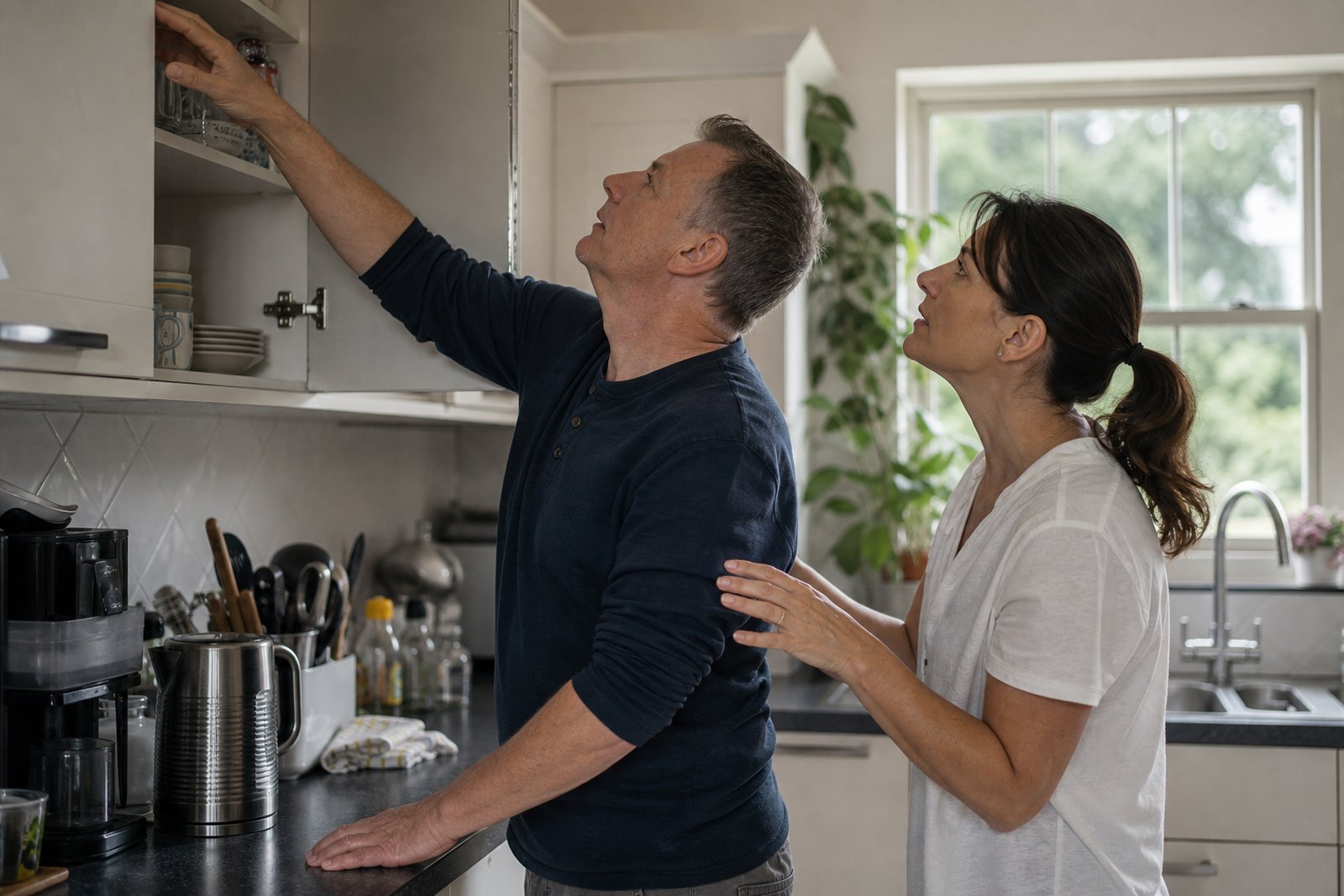
Hospital rehabilitation has a clear shape: a ward, a timetable, a team. Then comes discharge, and for many people with a brain injury, stroke or newly diagnosed neurological condition, the shape disappears. You are home - in Stafford, Tamworth, Hednesford or anywhere across the county - and the question becomes: what does rehabilitation look like now? The honest answer is that home is not a lesser venue for neurorehabilitation. Done properly, it is often the better one, because the whole point of rehabilitation is getting back to your life, and your life happens at home, not in a therapy gym. This post explains what home-based neurological rehabilitation actually involves, and why the background of the therapist delivering it matters.
Why hospital experience matters at home
Helen Harrison, the occupational therapist covering Staffordshire, spent years in NHS neurological inpatient units - including a Level 1 rehabilitation unit, the tier that takes the most complex brain injuries and polytrauma - and then in community neuro teams, before moving into independent practice in 2018. That combination is worth pausing on, because the two halves do different jobs.
The inpatient years mean she has worked with the full severity range of brain injury, stroke, spinal cord injury, brain tumours and hypoxic brain injury - so nothing about a complex presentation at home is unfamiliar, and subtle problems get recognised rather than missed. The community years mean she knows what happens after discharge: the gap between what someone could do on a structured ward and what they can do in their own kitchen, the way progress stalls without a plan, the load that lands on families. Home rehabilitation lives in exactly that gap. A therapist who has seen both sides can pick up where the hospital left off and translate it into the real world - which is also why the weeks around discharge are such a good time to get input, something our family guide to discharge planning explores in depth.
What a home neurorehab programme actually looks like
It starts with an assessment built around your goals: not a standard programme, but a plan shaped by what you want back. From there, a programme is built from real activities rather than abstract exercises. If the goal is to cook independently again, the therapy happens in your kitchen, with the task broken down, practised, and progressively rebuilt as ability returns. If the goal is getting out to the shops in Newcastle-under-Lyme, sessions eventually go there. Alongside functional practice, a programme may include:
- Upper limb rehabilitation. Structured work on the affected arm and hand, sometimes using specialist tools such as SaeboFlex or functional electrical stimulation.
- Splinting. Bespoke splints, including functional splints that make specific tasks like writing or self-feeding possible again.
- Fatigue management. Planning the programme itself around your energy, so therapy builds you up instead of wiping you out.
- Seating, posture and equipment. Making sure the basics underneath everything - how you sit, sleep and move around - support recovery rather than undermine it.
Progress is measured against your goals and reviewed openly. Helen trained as a UK FIM+FAM trainer - a widely used measure of functional independence in neurorehabilitation - which reflects a habit that matters in practice: measuring outcomes properly rather than relying on impressions.
Cognitive rehabilitation: the invisible half of recovery
After a brain injury or stroke, the changes people around you notice are physical. The changes that often disrupt life most are cognitive: memory that will not hold new information, concentration that dissolves in a noisy room, thinking that feels slow, difficulty planning a task or getting started on it at all. These are brain injuries' quietest symptoms - common too in MS and other progressive conditions, and central to post-concussion syndrome, where they can persist long after everyone expects you to be "back to normal".
Cognitive rehabilitation is a specific discipline, and Helen has formal training in it. At home it is practical rather than abstract: strategies and routines built into real life, external supports set up so memory demands shrink, tasks restructured so planning problems stop derailing them, and graded practice that rebuilds capacity where it can be rebuilt. Family are usually involved, because understanding why something is happening - that the short temper is processing overload, that the unfinished jobs are initiation difficulty, not laziness - changes how a household copes. None of this replaces medical care: cognitive changes should always be discussed with your GP or consultant too, and rehabilitation runs alongside that.
Working alongside case managers and legal teams
Where a brain or spinal injury came from an accident, there is often a compensation claim, a case manager, and a funded multidisciplinary team of therapists. Helen regularly works as the rehabilitation occupational therapist within those private teams, and provides reports for solicitors and case managers - so she is used to the rhythms of instructed work: agreed goals, coordinated input alongside physiotherapists and psychologists, documented outcomes, and clear communication back to whoever is coordinating the case. For case managers reading this, enquiries about capacity across Staffordshire - from Stoke-on-Trent down to Wombourne and Kinver - are welcome, and the practice's associate model means honest answers about availability. Details of report work are on our functional assessments and reports page.
Frequently asked questions
Is it too late for rehabilitation? My stroke was two years ago.
Recovery is fastest early on, but "too late" is mostly a myth. People make meaningful functional gains months and years after a stroke or brain injury - particularly in how they do things, how they manage energy and cognition, and how much of daily life they get back. An assessment can tell you honestly what is realistic in your case.
Does home rehab work for progressive conditions?
Yes, with a different emphasis. With Parkinson's, MS, Huntington's or motor neurone disease the aim is maximising function and independence at every stage and staying ahead of change, rather than recovering a fixed loss. The goal-based approach is the same.
How is this different from NHS community rehab?
It is not a competitor and does not affect NHS care. What private input adds is typically continuity with one named specialist, sessions that continue for as long as they are useful, and capacity for goals - like returning to work - that stretched NHS teams cannot always reach. Our neurological rehabilitation page sets out the full service.
Next steps
If you or someone in your family is finding the road after discharge unclear, or a case manager needs specialist OT capacity in Staffordshire, the first step is a free phone call - contact us to arrange it. Helen's neurological background and training are set out in full on her profile, and session costs are published on our prices page.